
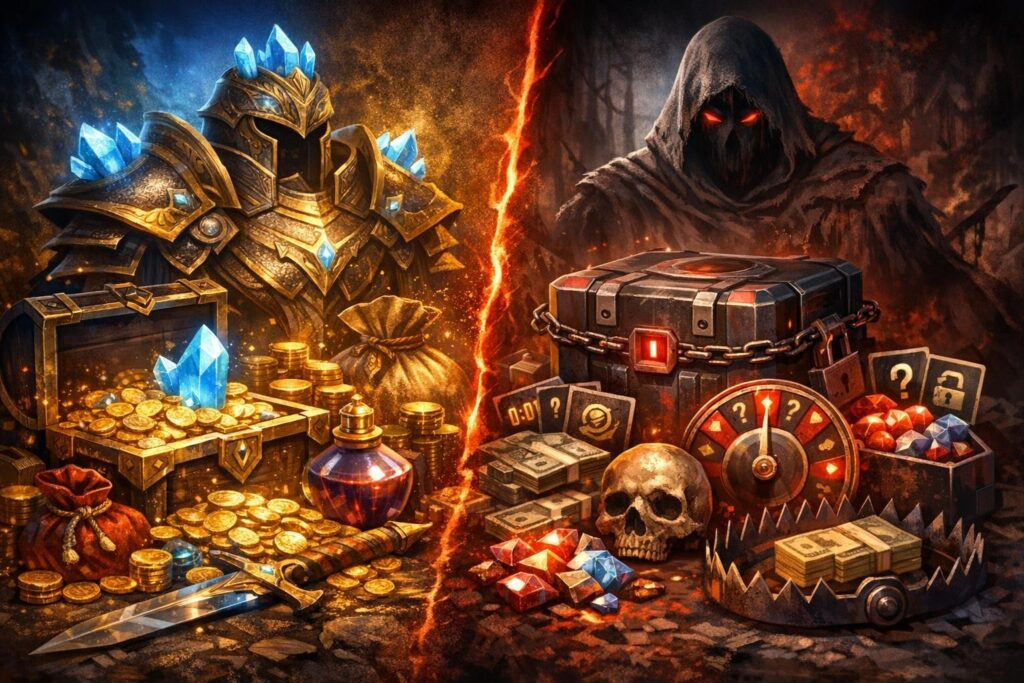
Gaming should be about skill, strategy, and dedication, right? Well, not always. If you’ve ever felt crushed by an opponent who clearly bought their way to victory, you’ve experienced the controversial world of pay-to-win gaming. This practice has sparked heated debates across gaming communities worldwide, and understanding what it means can help you navigate the modern gaming landscape more effectively.
Understanding Pay-to-Win: What Does It Really Mean?
Pay-to-win, commonly abbreviated as P2W, refers to game mechanics where players can spend real money to gain significant competitive advantages over others. We’re not talking about cosmetic items or fun customization options here. Pay-to-win involves purchasing powerful weapons, exclusive abilities, rare characters, or game-breaking equipment that fundamentally tilts the playing field in favor of those willing to open their wallets.
The core issue with pay-to-win systems is simple: victory becomes less about your gaming skills and more about your purchasing power. While free players might grind for weeks or months to achieve certain milestones, paying players can bypass these requirements instantly, creating an unbalanced competitive environment that frustrates skill-based gamers.
The Psychology Behind Pay-to-Win Mechanics
Game developers implement pay-to-win systems primarily in free-to-play titles and mobile games where monetization strategies differ from traditional premium releases. The psychological hooks are powerful and deliberate. These systems create artificial scarcity, introduce time gates that can be bypassed with money, and establish competitive hierarchies where spending becomes almost necessary to remain relevant.
Research suggests that pay-to-win mechanics can trigger gambling-like behaviors in players. The constant competition combined with the ability to gain instant advantages creates a cycle where players feel compelled to spend money for revenge or to maintain their status. This gamification of spending has raised ethical concerns, especially when younger audiences are involved.
Why Developers Choose This Model
From a business perspective, pay-to-win systems can be incredibly lucrative. They capitalize on competitive human nature and the desire for instant gratification. Developers argue that this model allows them to offer games for free while still generating revenue. However, critics counter that this approach sacrifices game integrity and long-term player satisfaction for short-term profits.
Notable Examples of Pay-to-Win Games
Several popular titles have gained notoriety for their pay-to-win elements. Understanding these examples helps identify similar patterns in other games:
- Clash Royale: Players can purchase treasure chests, gems, and seasonal passes that provide card upgrades and progression advantages that would otherwise take considerable time to earn through gameplay alone
- FIFA Ultimate Team: Real money purchases of card packs give players access to elite athletes, creating teams that free players would need months to assemble
- Genshin Impact: The gacha system allows players to spend money for chances at obtaining powerful characters, while free players must rely on limited in-game currency and luck
- World of Tanks: Premium vehicles and ammunition provide tangible combat advantages, making matches easier for paying customers
- Mario Kart Tour: Nintendo’s mobile racer uses gacha mechanics for characters and karts, with superior options often locked behind payment walls
- Roblox games: The majority of user-created experiences offer powerful boosts and advantages through Robux purchases
Mobile Gaming: The Pay-to-Win Stronghold
Mobile platforms have become the primary home for aggressive pay-to-win implementations. Games like Candy Crush Saga and various endless runners use energy systems, level skips, and power-ups available for purchase. These mechanics have become so normalized in mobile gaming that many players expect them, creating an environment where pay-to-win flourishes unchecked.
Pay-to-Win Versus Fair Monetization Models
Not all in-game purchases constitute pay-to-win. Understanding the distinction between exploitative and fair monetization helps players make informed decisions about which games deserve their time and money.
| Aspect | Pay-to-Win | Fair Monetization |
|---|---|---|
| Progression Impact | Money grants significant gameplay advantages | Skill and time investment determine success |
| Competitive Balance | Paying players dominate non-paying players | All players compete on equal footing |
| Purchase Types | Powerful weapons, exclusive abilities, progression shortcuts | Cosmetics, optional convenience features |
| Player Experience | Frustration for non-spenders, potential addiction | Rewarding gameplay for everyone |
| Examples | Clash Royale, FIFA Ultimate Team | Counter-Strike: Global Offensive, Fortnite cosmetics |
Pay-to-Progress: The Middle Ground
Some games implement what’s called “pay-to-progress” systems, where spending money accelerates advancement but doesn’t create insurmountable advantages. Free players can eventually reach the same power levels as paying customers through dedicated gameplay. While still controversial, this approach is generally viewed more favorably than pure pay-to-win mechanics.
The Community Response and Platform Actions
Gaming communities have increasingly voiced opposition to pay-to-win practices. Player reviews, forum discussions, and social media campaigns regularly call out games with egregious monetization. This grassroots pushback has influenced some developers to reconsider their approaches.
Even major platforms have taken notice. Steam now allows users to tag games with warnings about pay-to-win elements, helping potential players make informed decisions before downloading. This transparency represents a small but meaningful step toward holding developers accountable for their monetization choices.
Strategies for Playing Pay-to-Win Games Without Breaking the Bank
If you find yourself enjoying a game with pay-to-win elements, you don’t necessarily need to quit or spend excessively. Several strategies can help you compete more effectively:
- Set a strict monthly budget for in-game purchases and never exceed it
- Focus on strategic starter purchases that provide the most value
- Join active communities or guilds where cooperation can offset individual spending
- Maximize free daily rewards and login bonuses
- Research optimal strategies to compete efficiently without spending
- Accept that some competitive modes may remain inaccessible without payment
When to Walk Away
Sometimes the best strategy is simply choosing different games. If a title’s pay-to-win mechanics create constant frustration or pressure to spend beyond your comfort level, countless alternatives offer fairer experiences. Your time and money are valuable resources that deserve respect from game developers.
The Future of Pay-to-Win in Gaming
The gaming industry continues evolving its monetization approaches. Some regions have implemented regulations limiting certain pay-to-win mechanics, particularly those resembling gambling. Player awareness has also increased, with more gamers researching monetization systems before investing time in new titles.
However, the financial success of pay-to-win games suggests this model won’t disappear entirely. Mobile gaming especially seems committed to these mechanics, though we’re seeing gradual shifts toward more player-friendly implementations in response to community feedback and competitive pressure from fair-play alternatives.
The line between acceptable monetization and exploitative pay-to-win continues shifting based on player tolerance and market competition. As gamers, our choices and voices ultimately shape what becomes industry standard.
Making Informed Gaming Decisions
Understanding pay-to-win mechanics empowers you to make better choices about where you invest your gaming time and money. Before committing to any free-to-play title, research its monetization system, read community feedback, and watch gameplay from both free and paying players to assess the actual impact of purchases.
Remember that voting with your wallet remains the most powerful tool available. Supporting games with fair monetization while avoiding or criticizing exploitative pay-to-win titles sends clear messages to developers about acceptable industry practices. Your gaming experience should be determined by skill and dedication, not by credit card limits.
The pay-to-win debate reflects larger questions about value, fairness, and the purpose of gaming itself. Whether you occasionally spend money on convenience or refuse to support any pay-to-win elements, staying informed helps you navigate the modern gaming landscape while protecting both your wallet and your enjoyment.
Frequently Asked Questions About Pay-to-Win Gaming
Is paying money in a game always considered pay-to-win?
No, not all in-game purchases qualify as pay-to-win. Cosmetic items like character skins, emotes, or visual customizations don’t affect gameplay balance and are generally considered fair monetization. Pay-to-win specifically refers to purchases that provide competitive advantages or power increases that affect your ability to win against other players.
Can free players ever compete with paying players in pay-to-win games?
In some games with mild pay-to-win elements, dedicated free players can eventually reach competitive levels through extensive time investment and strategic gameplay. However, in games with aggressive pay-to-win mechanics, the gap between free and paying players becomes nearly impossible to close without spending money, especially in direct competitive modes.
Why do game developers create pay-to-win systems if players dislike them?
Pay-to-win systems can generate substantial revenue, particularly from a small percentage of high-spending players. Developers of free-to-play games need monetization strategies to sustain ongoing development and server costs. While controversial, these systems prove financially successful enough that many companies continue implementing them despite community criticism.
Are all mobile games pay-to-win?
While pay-to-win mechanics are extremely common in mobile gaming, not all mobile games use this model. Some mobile titles offer purely cosmetic purchases, premium versions without microtransactions, or fair progression systems where money only provides convenience rather than power. However, mobile platforms do have a higher concentration of pay-to-win games compared to console or PC platforms.
How can I tell if a game is pay-to-win before downloading it?
Research user reviews on platforms like Steam, app stores, and gaming forums where players discuss monetization systems. Look for specific mentions of competitive balance, required spending, and whether free players can succeed. Watching gameplay videos from both free and paying players can also reveal the actual impact of in-game purchases on competitive fairness.