

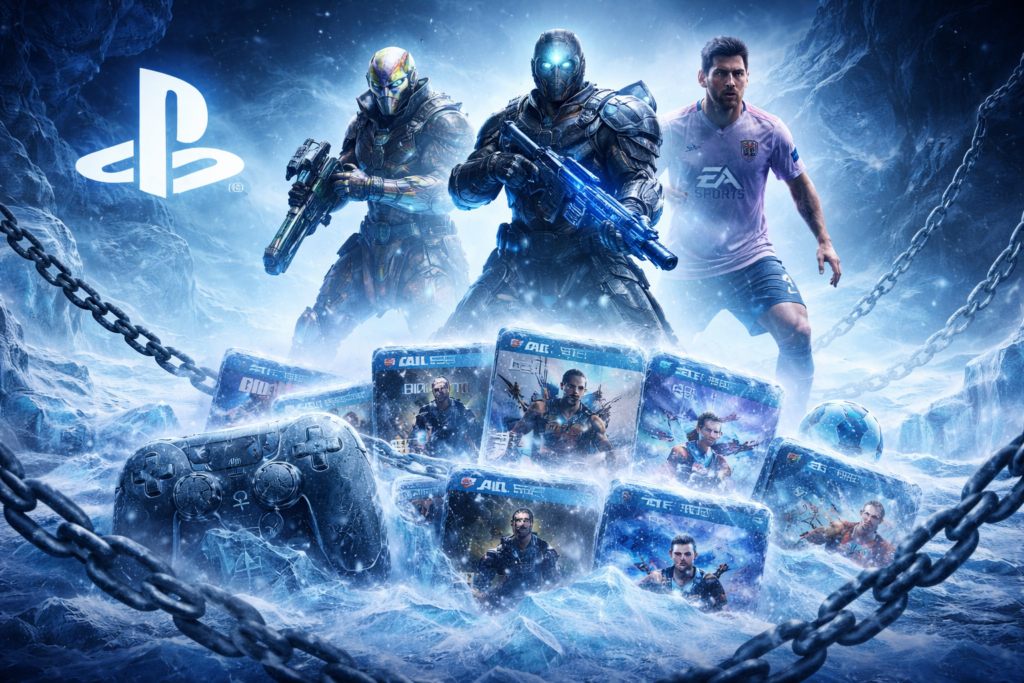

Игровой ландшафт стал удивительно предсказуемым. PlayStation только что опубликовала список самых популярных игр 2025 года, и он практически полностью повторяет список 2024 года. Fortnite снова занимает первое место, а остальные места на пьедестале почета занимают те же игры.
This data comes straight from Circana’s Player Engagement Tracker through senior director Mat Piscatella. The numbers paint a pretty clear picture of where American gamers are spending their time and honestly it’s kind of wild how little has changed.
Fortnite Continues Its Unstoppable Reign
Epic Games’ battle royale phenomenon grabbed the number one spot for another year running. At this point Fortnite feels less like a game and more like a digital theme park that just keeps building new attractions. The constant stream of fresh content and celebrity collaborations means players have zero reason to leave.
The game recently added The Simpsons characters to its roster and now South Park is about to make its debut later this month with Trey Parker and Matt Stone bringing their irreverent humor to Epic’s platform. Every major IP imaginable has gotten sucked into Fortnite’s orbit at this point.
When you think about it the strategy is brilliant. Why would kids bounce to a new game when their favorite movie characters keep showing up in the one they’re already playing? The psychological hooks run deep and Epic knows exactly what they’re doing.
Call of Duty Holds Strong at Number Two
Activision’s shooter franchise locked down second place and the methodology behind this ranking is pretty interesting. All Call of Duty titles get lumped together because the publisher corralled everything into one launcher. Modern Warfare, Black Ops, Warzone and every other COD release shares the same digital storefront.
This means even if players hate the newest release and retreat to an older title they’re still adding to the franchise’s overall player count. It’s a smart move from a metrics perspective even if it makes the data a bit murky.
The franchise pumps out yearly releases like clockwork and Warzone existing as a free-to-play option keeps the player base massive. Some fans argue the quality has dipped but the numbers suggest people keep coming back regardless of their complaints.
GTA 5 Refuses to Age After 13 Years
Rockstar’s crime simulator grabbed third place and the game is now 13 years old. Let that sink in for a second. A game that came out during the Xbox 360 era is still beating out modern releases for player attention.
Grand Theft Auto has moved over 220 million copies at this point which puts it in rarified air. The longevity comes down to GTA Online receiving constant updates that give players new reasons to log in. Rockstar keeps adding vehicles, missions, properties and events that make Los Santos feel alive.
The game basically prints money for Take-Two Interactive at this point. Why would they rush out GTA 6 when the current version still dominates engagement metrics year after year? Players keep spending on Shark Cards and the online ecosystem hums along perfectly.
Roblox and Minecraft Round Out the Top Five
Both games cater heavily to younger audiences and both have essentially infinite content thanks to their respective approaches. Roblox landed at number four on PlayStation while Minecraft grabbed fifth place.
Over on Xbox the two games swapped positions with Minecraft edging ahead. The difference probably comes down to which platform has more kids playing but both games maintain insane popularity regardless.
The Roblox Phenomenon
Roblox operates more as a game creation platform than a traditional video game. Users generate their own experiences and some of these creations blow up into massive viral hits seemingly overnight.
One game called Grow a Garden peaked at 22.3 million players back in August 2025. To put that in perspective the highest concurrent player count ever recorded on Steam was PlayerUnknown’s Battlegrounds hitting 3,257,248 players. Roblox operates on a completely different scale.
The platform thrives because kids can jump between dozens of different game types without ever leaving the ecosystem. One minute they’re playing a shooter, the next they’re building a virtual house, then they’re role-playing as their favorite anime character. The variety keeps them locked in.
Minecraft’s Eternal Appeal
Minecraft takes a different approach but achieves similar results. The game gives players a sandbox and basically says “go wild” with minimal restrictions. Want to build a replica of your hometown? Go for it. Want to create elaborate redstone computers? Have at it. Want to just dig holes and fight skeletons? Nobody’s stopping you.
The modding community keeps the game fresh with countless additions that fundamentally change how Minecraft plays. Servers offer everything from survival challenges to full-blown RPG experiences. Microsoft keeps updating the base game while the community handles the rest.
Both titles prove that games don’t need cutting-edge graphics or massive marketing budgets to capture player attention. They just need to give people the tools to create their own fun and then get out of the way.
The Live Service Stranglehold
Every single game on this top five list operates as a live service title. This isn’t a coincidence or a fluke. The entire gaming industry has shifted toward this model because the economics make too much sense to ignore.
Traditional games launch, sell their copies and then the revenue stream dries up outside of maybe some DLC. Live service games create ongoing relationships with players that generate money for years or even decades. Why sell someone a game once when you can sell them cosmetics, battle passes and currency packs indefinitely?
Publishers love this model because it provides predictable recurring revenue. Players theoretically benefit from constant content updates and evolving games that improve over time. The trade-off is that these games demand significant time investment and often include aggressive monetization.
The five games dominating engagement metrics all perfected this formula in their own ways. Fortnite pioneered the battle pass. Call of Duty blends premium releases with free-to-play modes. GTA Online has been extracting money from players for over a decade. Roblox and Minecraft create platforms where the content never stops flowing.
What About New Releases
The elephant in the room is what happened to all the new games that launched in 2024 and 2025. Where are the fresh IPs or major sequels that should theoretically challenge these established titans?
One notable absence from the discussion is EA’s Battlefield 6. The game apparently performed really well at launch with strong sales numbers and positive reception from the shooter community. In Europe the latest Call of Duty Black Ops 7 saw its opening week sales come in 63% below what Battlefield managed in its debut week.
Ampere Analysis data showed that over 25% of Call of Duty players in September picked up Battlefield 6 when it dropped in October. Those numbers suggest the game found an audience and converted players from the competition.
Yet Battlefield 6 didn’t crack the most-played list despite this success. The game launched, made a splash and then presumably players drifted back to their established habits. This pattern repeats constantly in modern gaming.
New releases face an uphill battle because they’re not just competing against other new games. They’re fighting against years of accumulated content, established friend groups and player investment. Why learn a new game when your buddies are still playing Fortnite and you’ve already spent money on cosmetics?
The Investment Trap
Players develop serious attachment to games where they’ve invested significant time and money. Someone who spent three years building their GTA Online criminal empire isn’t going to abandon that progress easily. A Fortnite player with 200 skins in their locker feels committed to the platform.
This creates a moat around successful live service games that new releases struggle to breach. The switching costs for players aren’t just the price of a new game. They’re giving up progress, cosmetics, friend groups and familiarity.
Publishers understand this dynamic which is why so many chase the live service model. Capture players early, keep them engaged with regular updates and the competition can’t pry them away easily. It’s a winner-take-all market where the top games absorb massive audiences while everything else fights for scraps.
What This Means for Gaming’s Future
The frozen nature of this top five list tells us where the industry is heading. We’re likely to see more consolidation around a small number of dominant platforms rather than a diverse ecosystem of competing games.
New releases will increasingly struggle to break through unless they offer something dramatically different or benefit from massive marketing pushes. Mid-tier games that would have found modest success in previous eras now face extinction because they can’t compete for player attention.
Developers face pressure to either create the next massive live service hit or carve out a specific niche. The middle ground is disappearing. You’re either Fortnite-scale successful or you’re fighting for relevance.
This concentration of player attention also gives the dominant games enormous cultural influence. Fortnite doesn’t just entertain players anymore. It shapes how young people socialize, what media properties get attention and how gaming culture evolves. When one platform has that much reach it becomes too important for major brands to ignore.
The same five games topping engagement charts two years running isn’t just a fun bit of trivia. It represents a fundamental shift in how games work, how players engage with them and what kinds of experiences get greenlit by publishers.
Traditional single-player games still exist and some perform well but they’re increasingly treated as prestige projects rather than the industry’s bread and butter. The real money and player attention flows to games that never end, constantly evolve and extract ongoing value from their audiences.
The gaming industry has fundamentally changed from selling products to running services and this top five list is the clearest evidence yet of that transformation.
Looking at these numbers you have to wonder if this list will look any different in 2026. Will the same five games still dominate or will something finally break through and shake up the hierarchy? Based on current trends betting on stability seems like the safe play.

Comments (0)
Sign In / Sign Up
Sign in to leave a comment.
No comments yet
Be the first one to share your thoughts!