

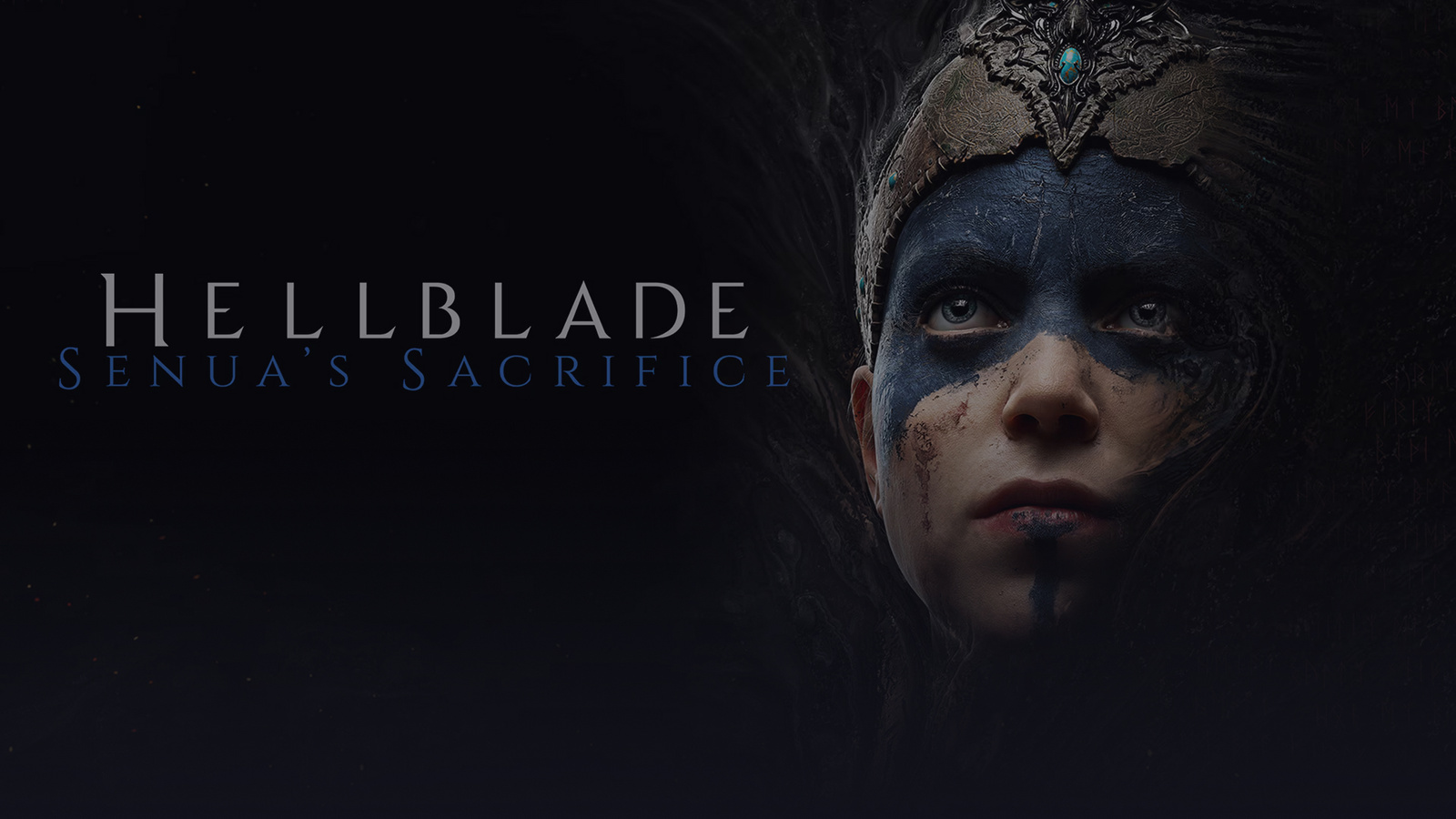
Ninja Theory’s Hellblade: Senua’s Sacrifice isn’t just a game—it’s an unforgettable descent into the human mind’s darkest corners. Released in 2017, this action-adventure title broke new ground by portraying mental illness with unprecedented authenticity, wrapped in a stunning Norse mythology-inspired narrative that leaves players emotionally devastated and intellectually enriched.
A Journey Through Darkness
Players step into the worn boots of Senua, a Celtic warrior embarking on a nightmarish journey to Helheim, the Norse underworld. Her mission: to save the soul of her dead lover, Dillion, from eternal damnation. But this quest is complicated by Senua’s psychosis, manifested through constant auditory hallucinations that whisper, scream, and judge her every move.
The game’s portrayal of mental illness stands as its most remarkable achievement. Ninja Theory worked closely with neuroscientists and people who experience psychosis to ensure authentic representation. The result is a binaural audio experience that places voices directly in your head—sometimes encouraging, often critical, always unsettling. Playing with headphones transforms this from a recommendation to an absolute necessity.
Combat That Demands Respect
While Hellblade prioritizes narrative and atmosphere, its combat system deserves recognition. Fights are methodical and weighty, requiring players to observe enemy patterns, time dodges perfectly, and strike with precision. Senua’s blade work feels brutal and real, with each clash of swords carrying tangible impact.
The combat encounters are deliberately sparse, which serves the game’s pacing brilliantly. You’re never overwhelmed by endless enemy hordes. Instead, each fight feels significant—a test of Senua’s resolve as much as the player’s skill. Boss battles, particularly against nightmarish manifestations of Senua’s trauma, elevate these mechanics into something truly memorable.
Puzzles and Perception
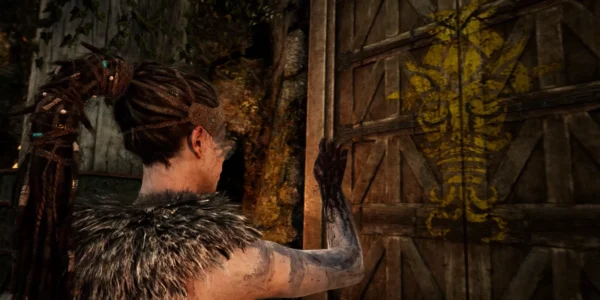
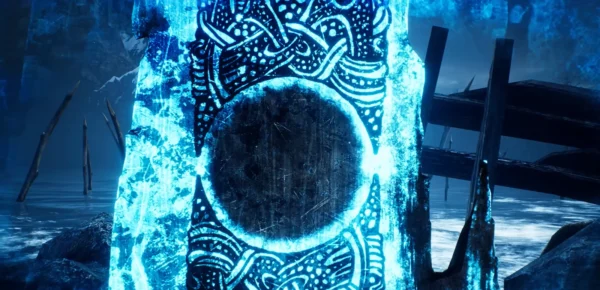
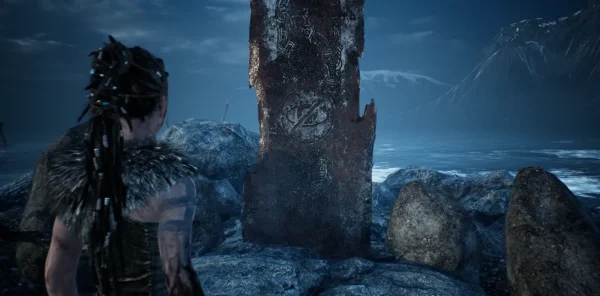
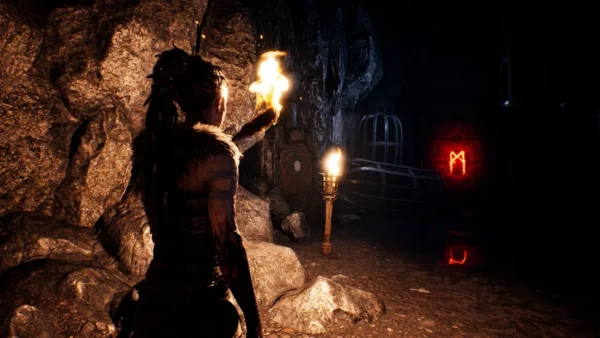
Environmental puzzles in Hellblade center around perception—both visual and psychological. Senua must align environmental elements to reveal hidden runes, shifting her perspective to see what others cannot. These puzzles mirror her fractured mental state beautifully, forcing players to see the world as she does.
Some might find these sections repetitive, but they serve a crucial narrative purpose. The puzzles aren’t meant to stump players for hours; they’re meditative breaks that reinforce Senua’s unique way of processing reality. They’re less about challenge and more about experiencing her condition firsthand.
A Visual and Auditory Masterpiece
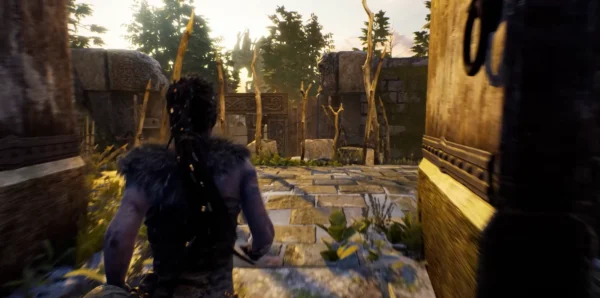
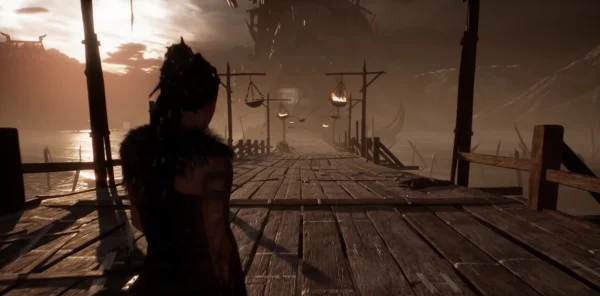
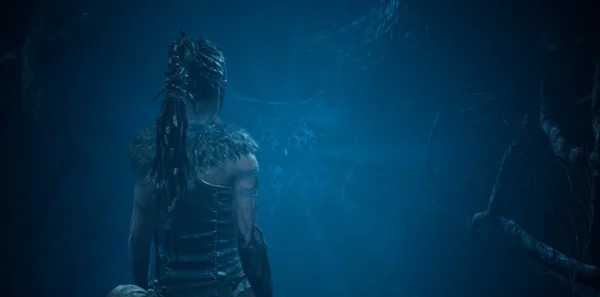
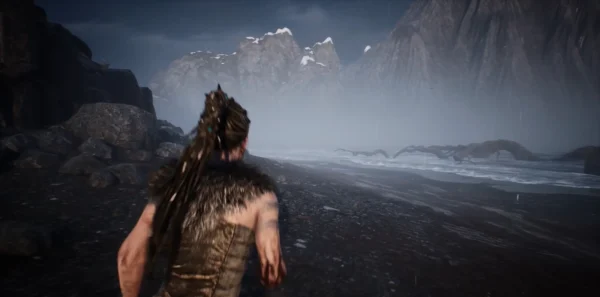
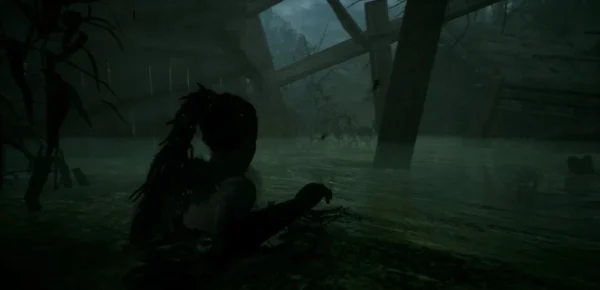
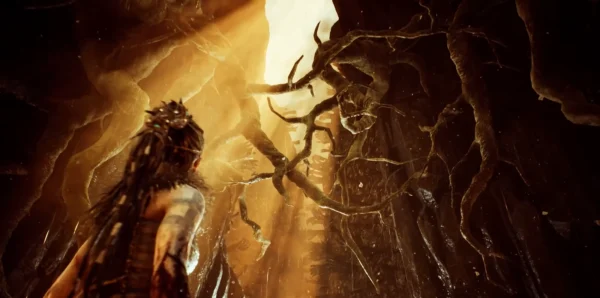
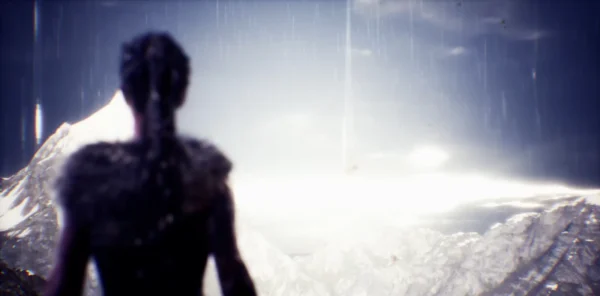
For an independent production, Hellblade punches far above its weight class visually. The game’s photo-realistic rendering of Senua—brought to life through Melina Juergens’ groundbreaking performance capture—remains stunning years later. From mist-shrouded forests to nightmarish hellscapes, every environment drips with atmosphere.
The audio design deserves its own paragraph. Beyond the revolutionary voice work, the soundscape creates constant tension. Whispers emerge from specific directions, footsteps echo with purpose, and silence becomes as terrifying as any scream. Composer David García’s score weaves Celtic and Norse musical traditions into something hauntingly beautiful.
Not Without Flaws
Hellblade’s roughly eight-hour runtime feels perfectly calibrated, but some sections drag. The middle portion can feel repetitive, with similar puzzle structures appearing too frequently. The permanent death mechanic—supposedly threatening to delete your save after too many deaths—caused controversy, though its actual implementation remains ambiguous.
Additionally, while the game explores psychosis with sensitivity, some may find the experience overwhelming or triggering. The constant voices and psychological torment aren’t for everyone, and that’s entirely valid.
The Verdict
Hellblade: Senua’s Sacrifice is essential gaming. It proves that video games can tackle serious subjects with maturity and create emotionally resonant experiences rivaling any medium. Senua’s journey forces us to confront uncomfortable truths about mental illness, trauma, and human resilience.
This isn’t a game you play for fun in the traditional sense. It’s a transformative experience that stays with you long after the credits roll. Whether you’re drawn by the Viking aesthetics, the innovative audio design, or the powerful narrative, Hellblade delivers something unforgettable.
For those willing to embrace its darkness, Senua’s sacrifice becomes yours—and the reward is profound.











Comments (0)
Sign In / Sign Up
Sign in to leave a comment.
No comments yet
Be the first one to share your thoughts!