

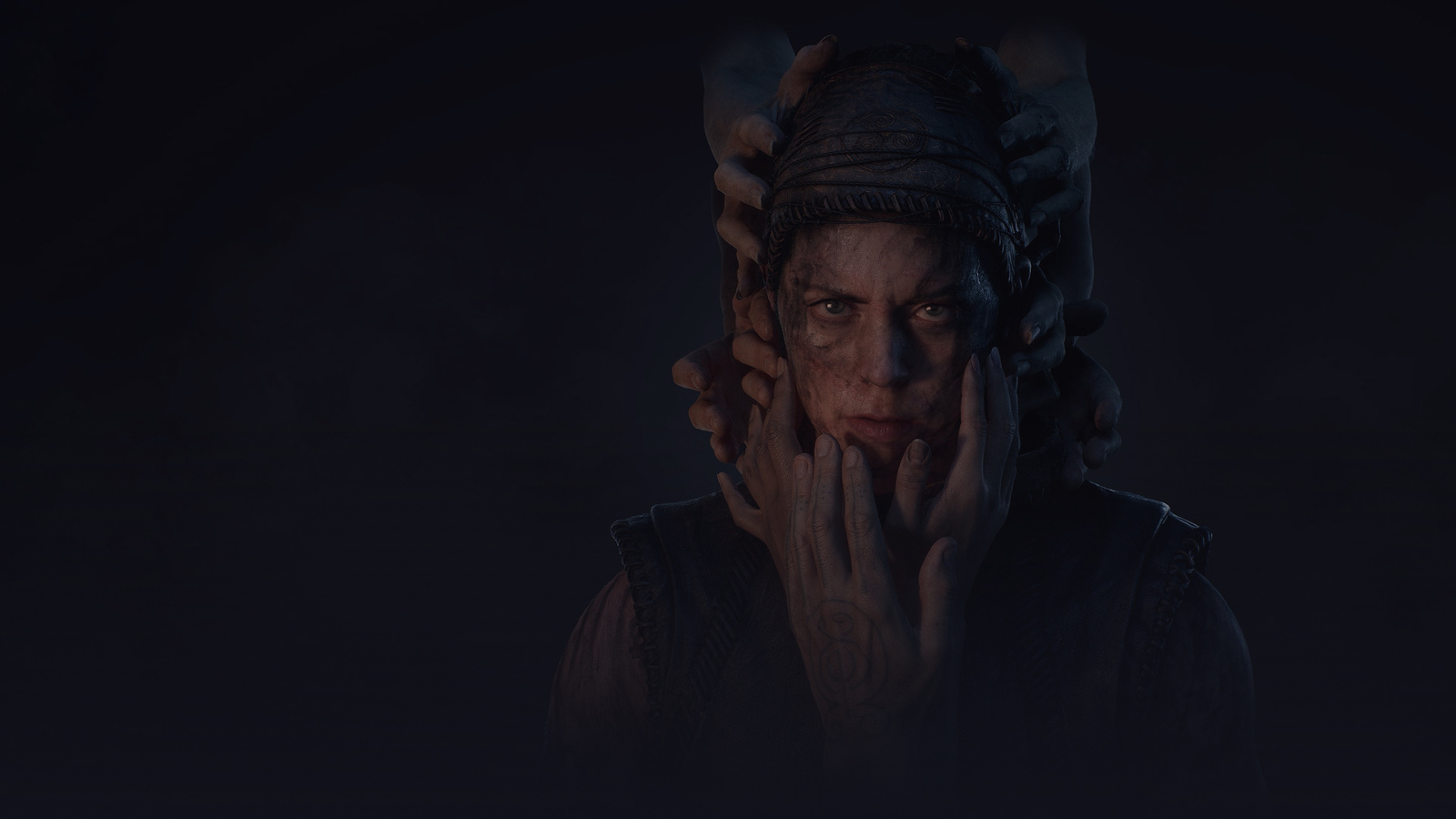
A Story Worth the Journey
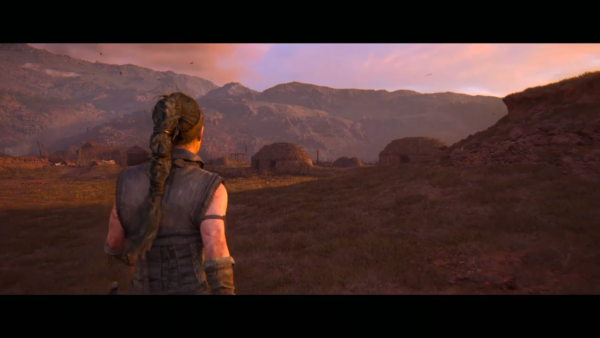
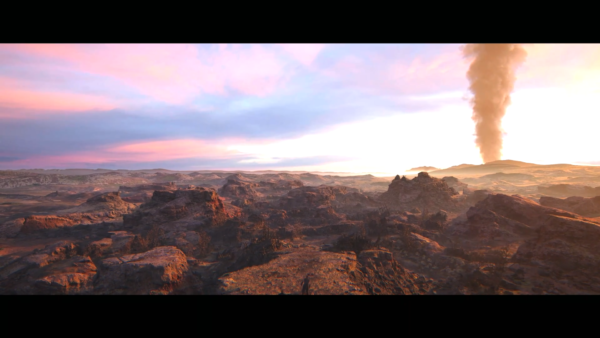
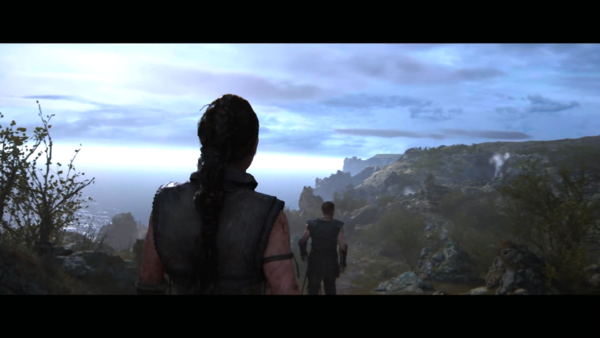
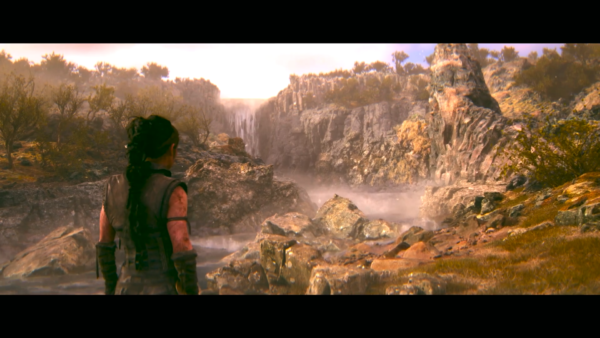
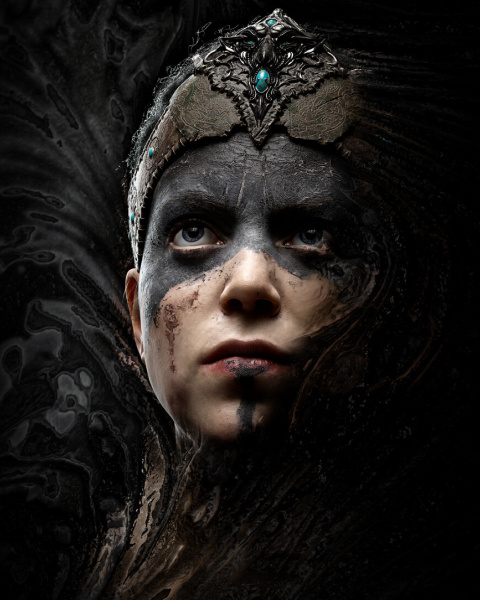
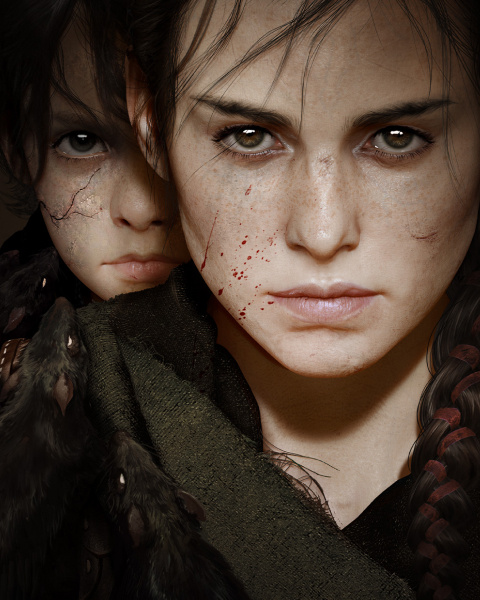
Set in 10th century Iceland, Senua’s Saga follows our protagonist as she ventures into the land of giants, seeking to save those enslaved by Viking raiders. But as with everything in Hellblade, the external journey mirrors an internal one. Senua grapples with her past trauma, her sense of purpose, and the question of whether she can be a hero despite—or perhaps because of—her psychosis.
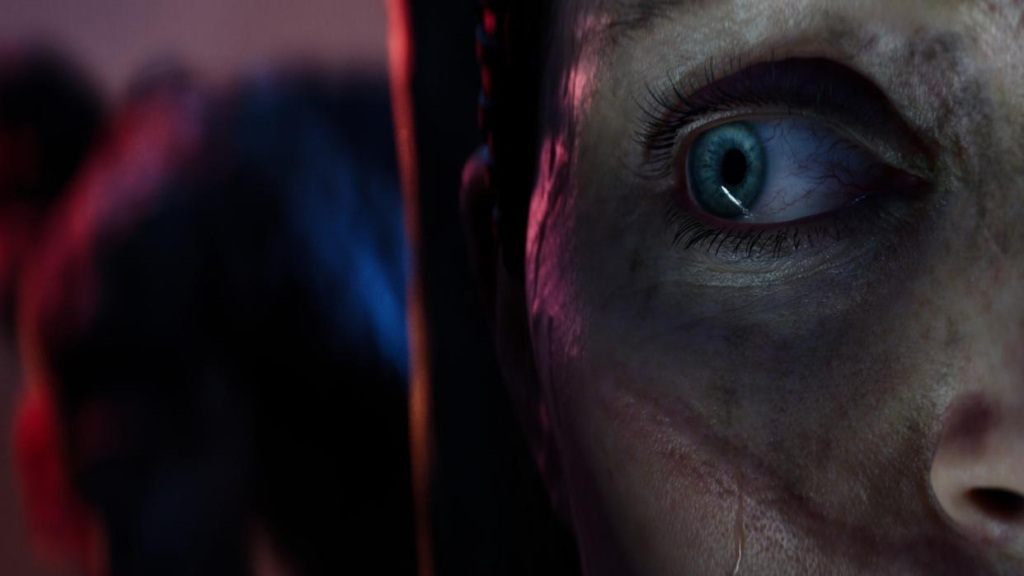
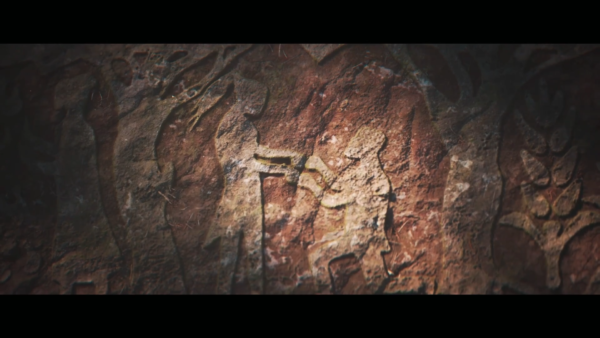
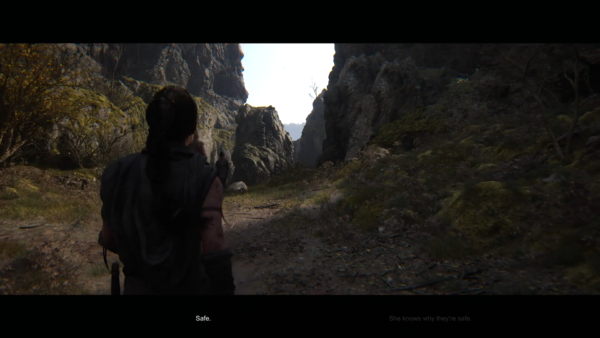
The narrative unfolds through environmental storytelling, haunting visions, and encounters with both allies and adversaries who challenge Senua’s perception of reality. The game never talks down to its audience, trusting players to piece together meaning from symbolism and subtext.
Puzzle Design and Pacing
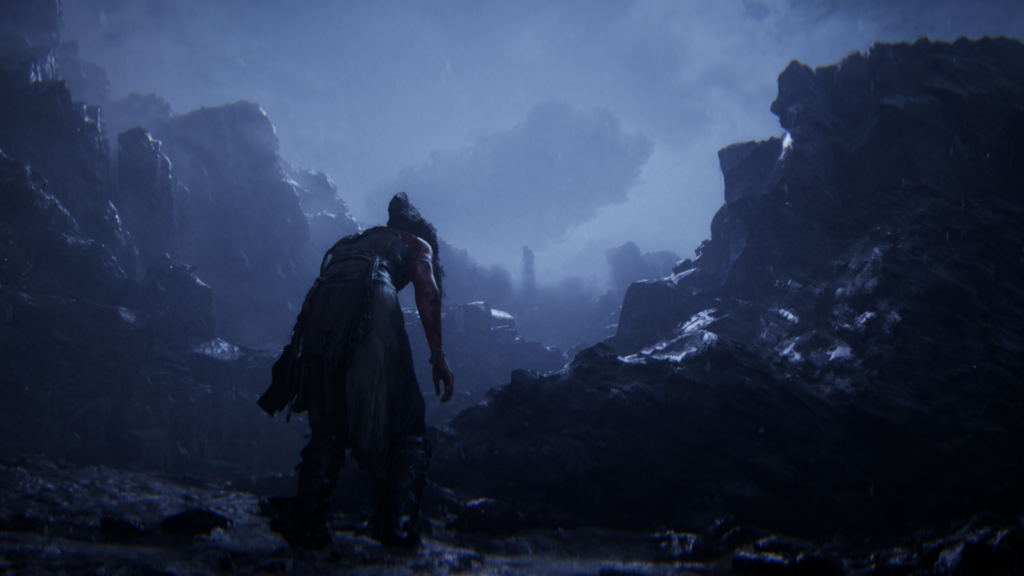
Environmental puzzles return, requiring players to find patterns in the world around them. Some involve perspective shifts, where standing in the right location reveals hidden symbols. Others play with light, shadow, and Senua’s perceptual distortions. These moments provide necessary breathing room between intense combat and emotional storytelling, though some players may find them slightly more straightforward than in the first game.
The pacing is deliberately measured. Hellblade II isn’t interested in bombarding you with content or checking boxes on a feature list. It’s a focused, linear experience that respects both your time and intelligence, clocking in at around 8-10 hours—short by modern standards, but without a single wasted moment.
The Verdict
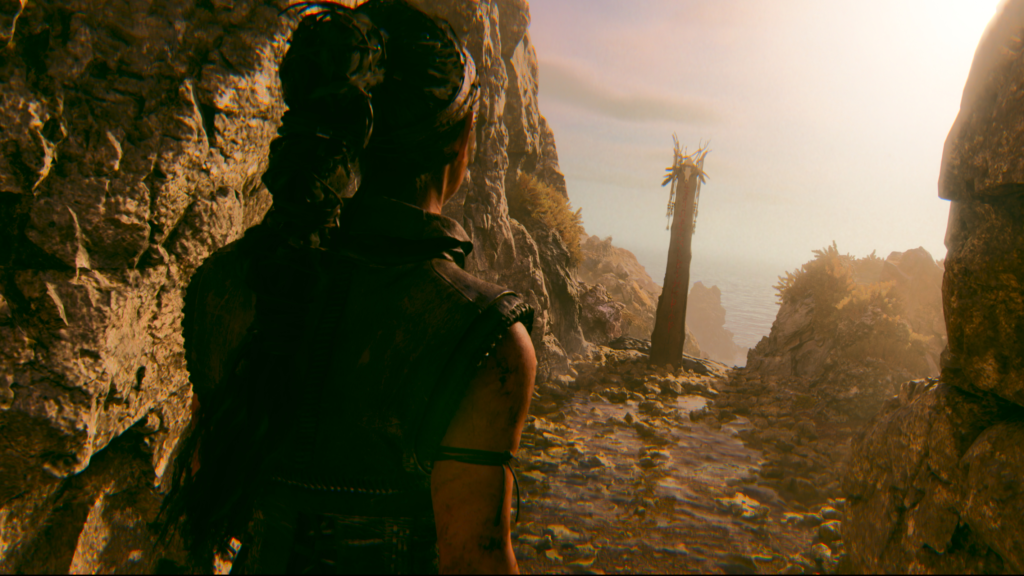
Senua’s Saga: Hellblade II isn’t for everyone, and it doesn’t pretend to be. This is a dark, challenging journey that demands emotional investment and patience. But for those willing to submit to its vision, it offers something increasingly rare in modern gaming: a truly singular experience that couldn’t exist in any other medium.
Ninja Theory has created more than a sequel—they’ve delivered a statement about what games can be when artistry, technology, and empathy converge. Whether you’re drawn by the cutting-edge visuals, the innovative audio design, or the powerful exploration of mental health, Senua’s return is an experience that will linger in your thoughts long after the credits roll.
In an industry often criticized for playing it safe, Hellblade II stands as a defiant, beautiful reminder that the most meaningful journeys often lead through our darkest places.














Comments (0)
Sign In / Sign Up
Sign in to leave a comment.
No comments yet
Be the first one to share your thoughts!