


There is a certain kind of game you sit down to play for “just an hour” and look up to find it is past midnight. These are not games padded with mindless filler — they are worlds built with enough depth, story, and emergent possibility that every session feels worthwhile. The ten titles below represent the best long-form PC gaming experiences available today: games where the credits are not an ending but merely a pause before you start again with a different build, a different choice, a different path entirely.
1. Red Dead Redemption 2 — The Slow Burn Masterpiece
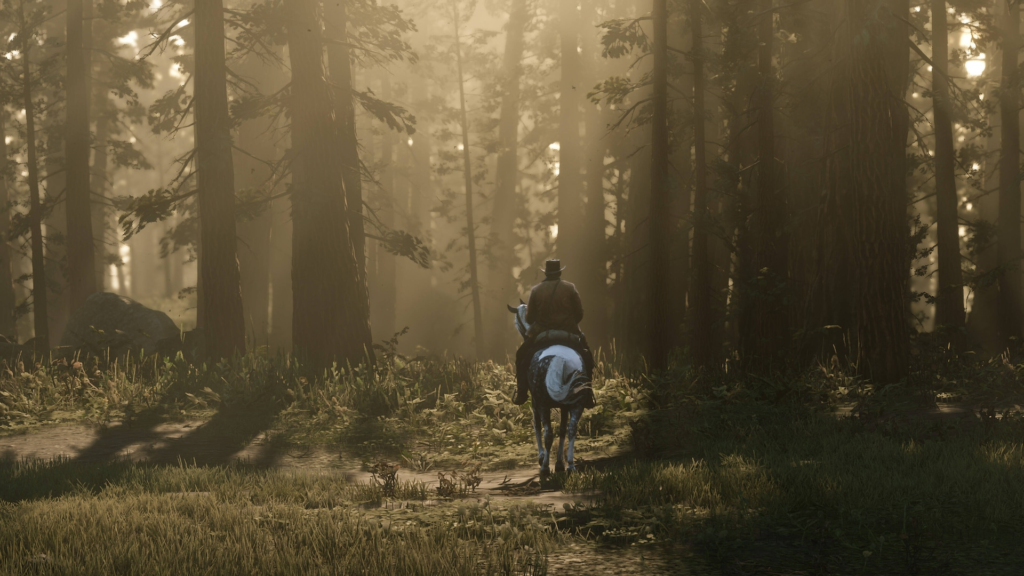
Red Dead Redemption 2 is, in many respects, the most ambitious open-world game ever made. Set during the twilight years of the American frontier at the turn of the twentieth century, it follows Arthur Morgan — outlaw, skeptic, and reluctant moralist — as his gang struggles to survive a world that is rapidly closing in around them. The narrative unfolds with the patience and craft of literary fiction: there is no rush, no urgency to move the plot forward unless you choose to. The world breathes on its own schedule.
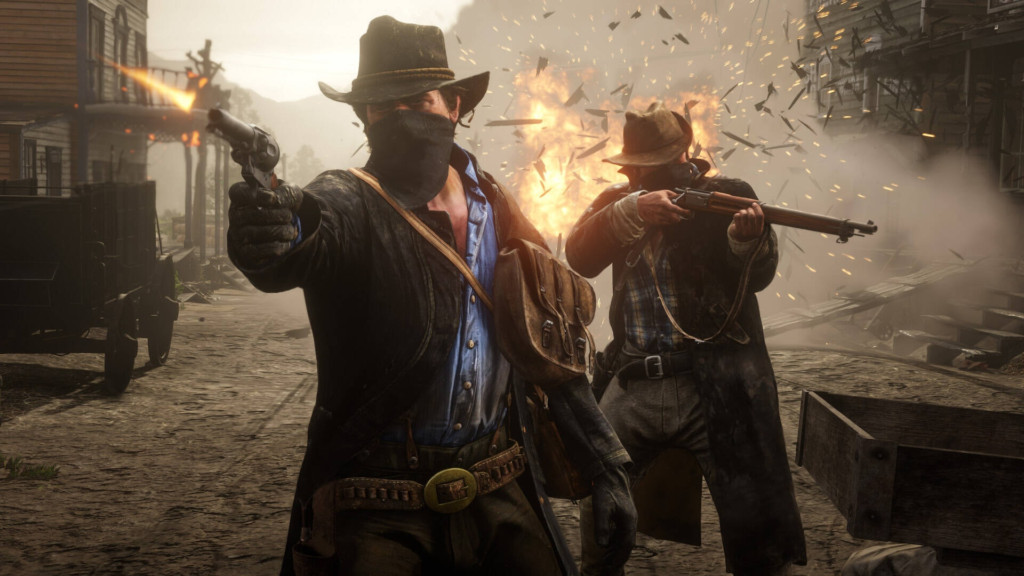
The gameplay reflects this unhurried philosophy. You can spend an entire week in the game world without touching a single story mission: track legendary animals across mountain ranges, sit in on a tense poker game at a saloon, fish along the river at dawn, or ride into a town and deliberately antagonise the sheriff just to see what happens. The reputation system registers every significant choice, shaping how strangers react to you. After the main story concludes, the game does not end — it simply continues, with an epilogue and dozens of unexplored corners still waiting on the map.
2. Mass Effect: Legendary Edition — A Galaxy Worth Saving Three Times Over
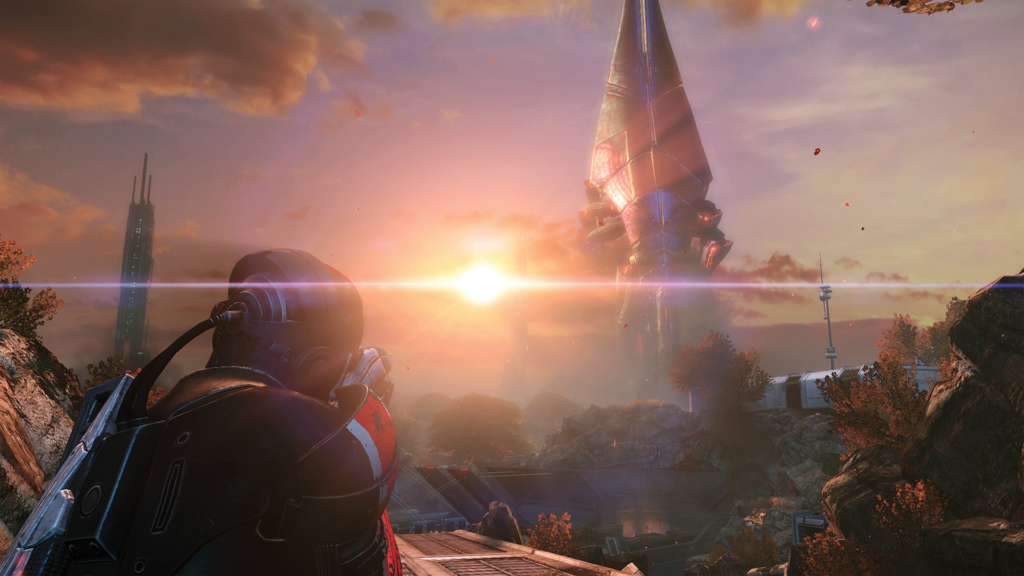
The Mass Effect trilogy is one of the most sustained feats of narrative world-building in gaming history. You are Commander Shepard, the first human Spectre, and the only person in the galaxy who truly understands the scale of the threat heading toward all intelligent life. But the genius of the series is not its premise — it is the execution: choices you make in the first game echo through the second and third, companions die or survive based on decisions you made hours ago, and the political state of the galaxy shifts with every mission completed or abandoned.
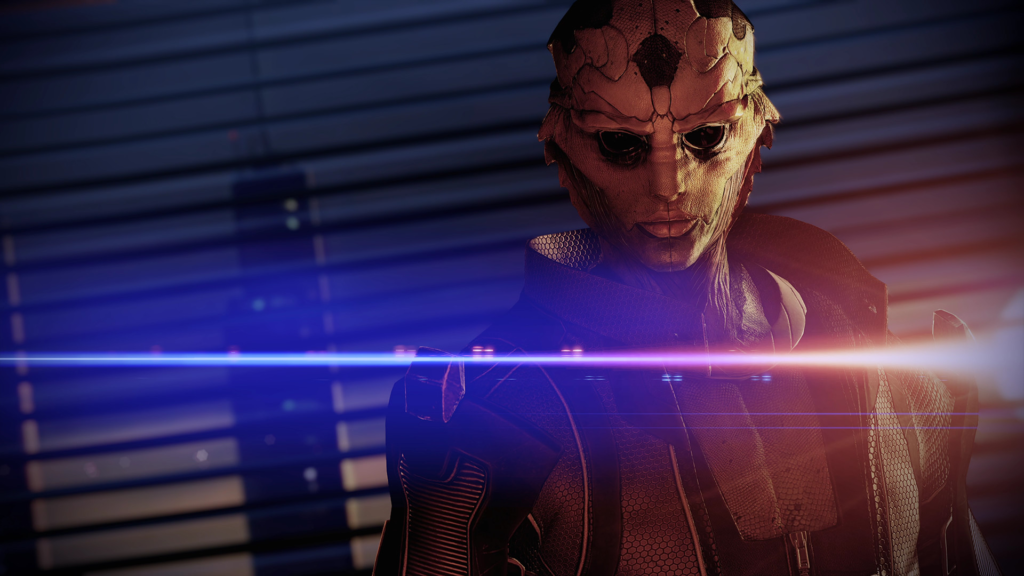
The Legendary Edition bundles all three games with visual upgrades and rebalanced mechanics, making the first game’s slower pace considerably more accessible. Combat is a third-person shooter layered over a deep RPG system: you choose a class, develop specialisations ranging from biotic telekinesis to engineering drones, and assemble a crew of alien companions each with their own backstory and relationship arc. Between missions, the Normandy becomes a space for quiet character moments — conversations, rivalries, romances, and the gradual sense that you are no longer playing a video game but living a life.
3. Divinity: Original Sin 2 — The RPG That Respects Your Intelligence
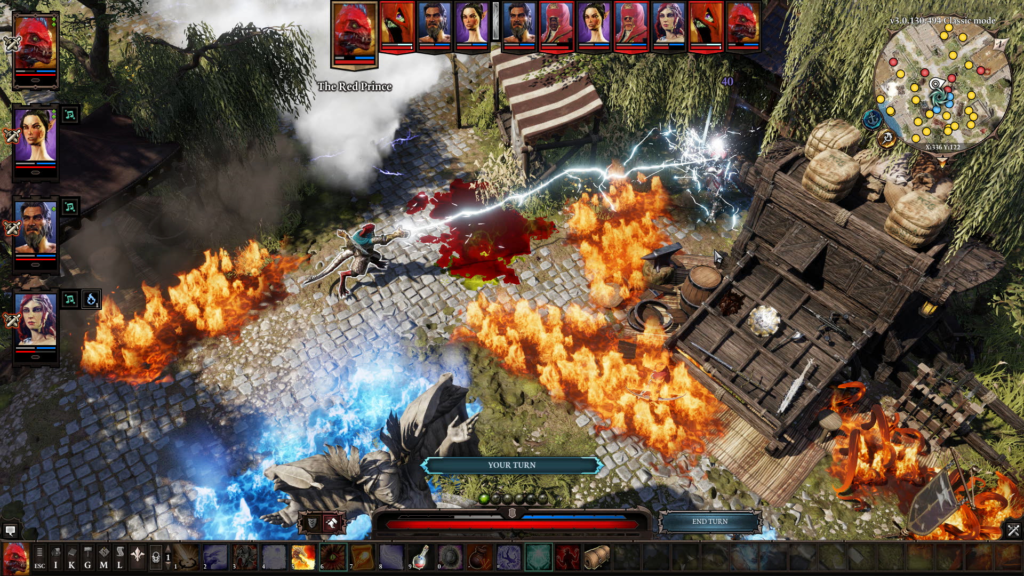
Divinity: Original Sin 2 begins with your character imprisoned, fitted with a collar that suppresses magical ability, and shipped to a remote island. Within hours, you have escaped, recruited a band of morally complicated companions, and found yourself at the centre of a theological crisis involving the nature of godhood itself. The writing is sharp, funny when it needs to be, and genuinely dark in its best moments. More importantly, the game trusts you to find your own path through it — nearly every significant obstacle can be solved in multiple ways.
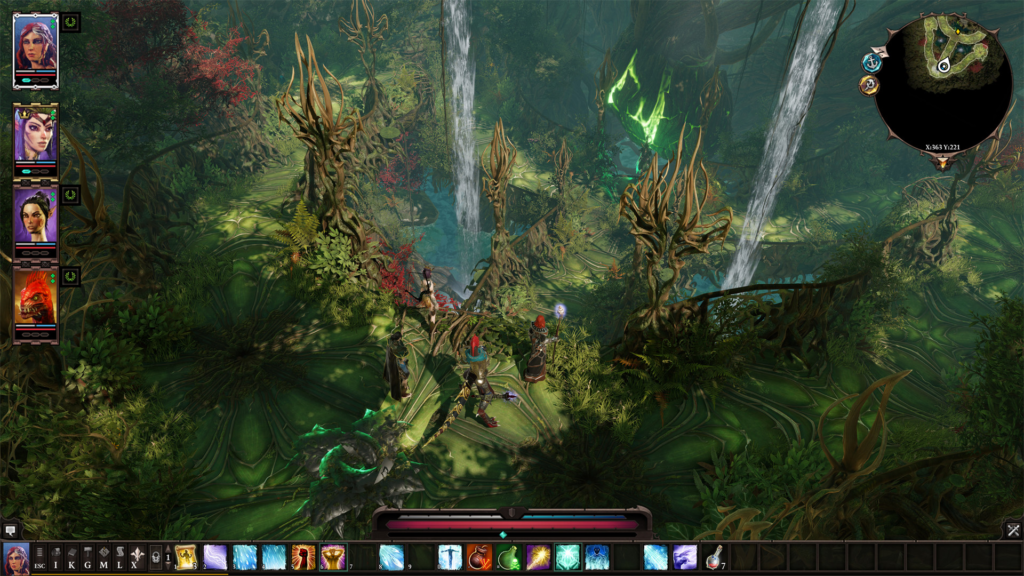
The tactical combat is the centrepiece: turn-based, elemental, and deeply systemic. Fire burns oil, electricity conducts through water, a well-placed ice spell can freeze an entire shoreline and send enemies sprawling. Positioning matters, preparation matters, and improvisation matters perhaps most of all. Outside of combat, the skill system allows you to talk your way past nearly anything — or, with the Animal Speak ability, gather intelligence from horses and chickens who have been witnesses to more than you might expect. Four acts, hundreds of variables, and near-infinite replayability.
4. Fallout 4 — Building a New World from the Ashes
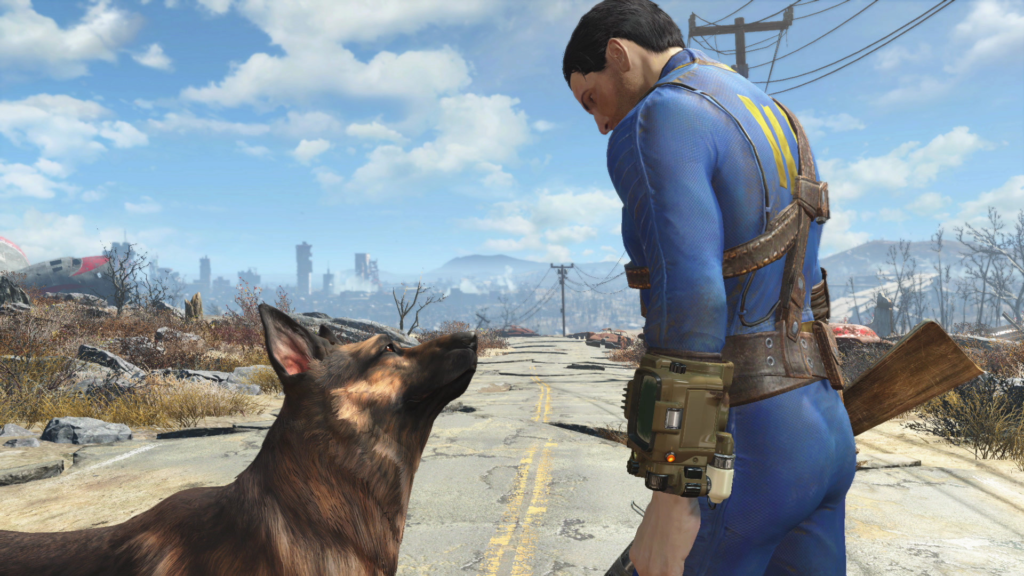
Two hundred years after nuclear war turned the eastern United States into an irradiated wasteland, Boston has become the Commonwealth — a landscape of ruined skyscrapers, mutated wildlife, and fractious factions each claiming to hold the key to humanity’s future. You emerge from cryosleep, your family shattered, looking for your missing son. That search drives the first several hours of Fallout 4, but the game’s real appeal lies in everything that happens when you stop looking — or rather, when the world’s sheer density of interesting distractions pulls you off the critical path.
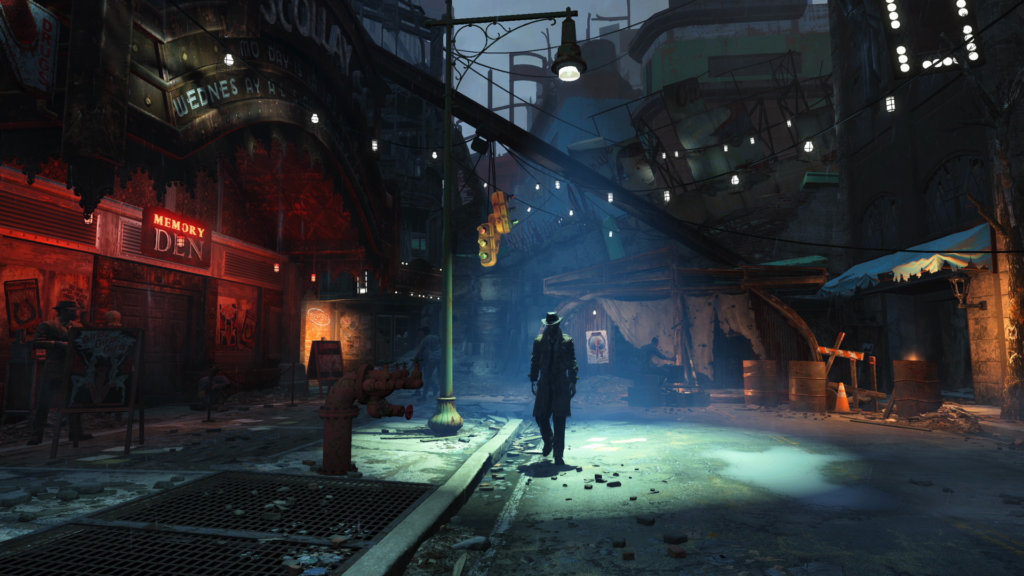
The settlement-building system is Fallout 4’s most distinctive addition: you can construct functional communities from scratch across the map, managing power grids, supply lines, defences, and the morale of the settlers who take up residence. It is an entirely optional layer of gameplay, but one that can consume dozens of hours independently of everything else. The shooting mechanics are the most responsive in the series, the dialogue system gives you genuine agency, and the retrofuturist 1950s aesthetic creates an atmosphere unique in gaming. Every ruin hides something worth finding.
5. Grand Theft Auto V — A Living, Breathing Criminal Metropolis
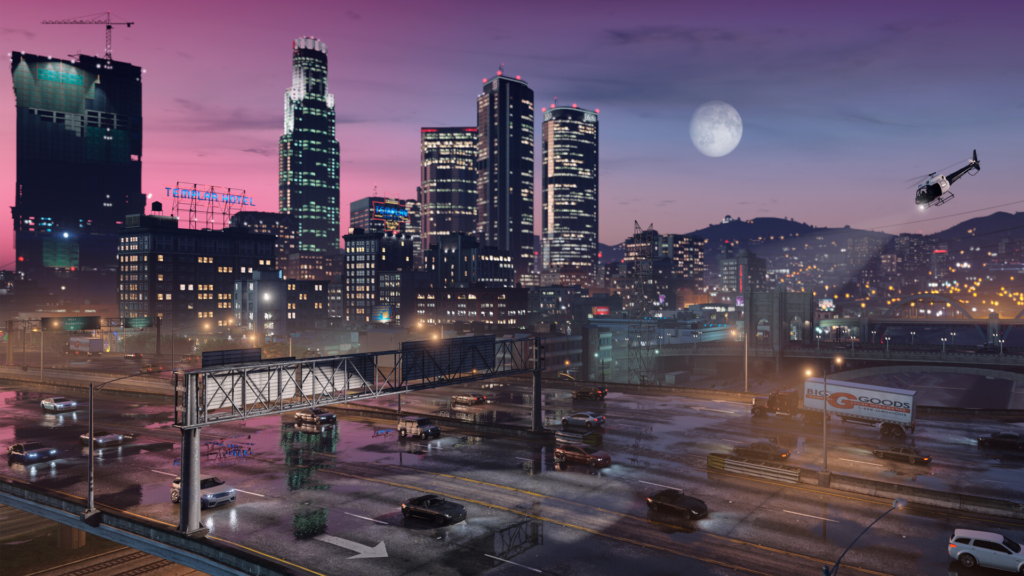
Grand Theft Auto V was released in 2013 and still appears on best-seller lists today. That persistence is not the result of nostalgia — it is the result of Rockstar having built one of the most densely realised fictional cities ever committed to software. Los Santos is a razor-sharp satire of Los Angeles: the entertainment industry, the wealth disparity, the car culture, the hollow optimism. Three protagonists represent different corners of the American dream: Franklin, the street-level hustler trying to rise; Michael, the retired criminal quietly unravelling; Trevor, a force of chaos who functions as the game’s most accurate social commentary.
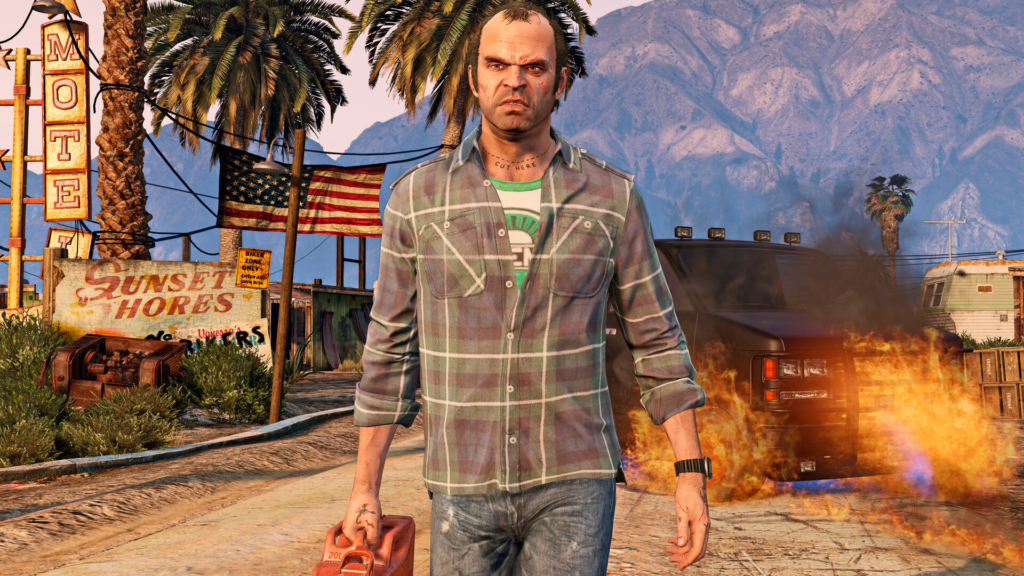
The story is a black comedy heist film that plays out over thirty to forty hours, but the city itself is the real investment. Street races, property management, stock market manipulation, stunt jumps, alien conspiracies, and the perennial joy of evading a five-star police chase — the distractions are essentially limitless. GTA Online extends this further still, offering a continuously updated multiplayer world with its own economy, heists, and community events. Over a decade later, people are still logging in every day.
6. The Witcher 3: Wild Hunt — The Standard By Which Open Worlds Are Judged
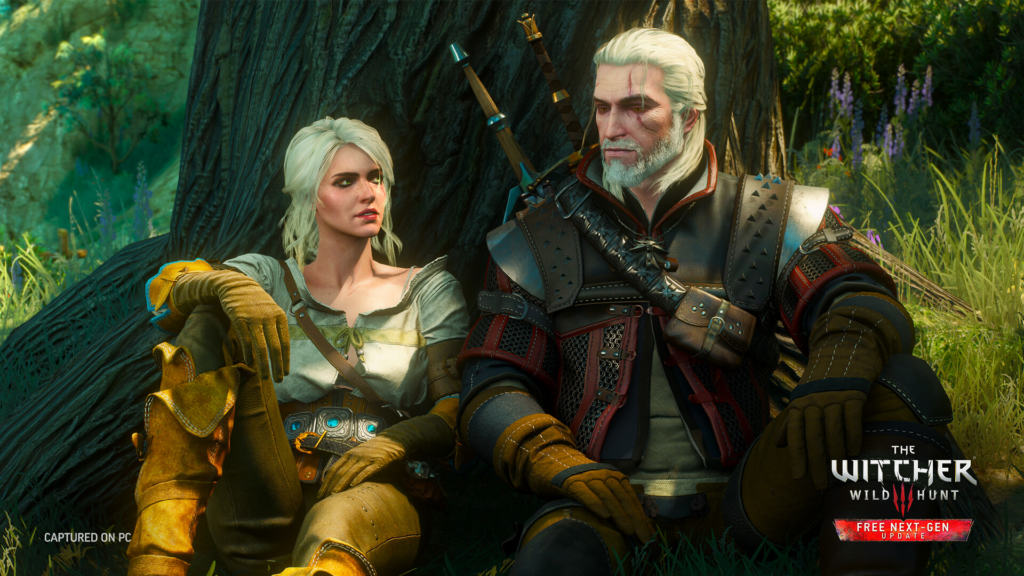
When The Witcher 3 released in 2015, it recalibrated expectations for what open-world RPGs could achieve. CD Projekt RED built not just a large world, but a credible one: peasant villages feel like places people actually live in, the political situation in each region has consequences for the ordinary people caught in it, and the weather exists not as a visual flourish but as a component of atmosphere. Geralt of Rivia is one of gaming’s most fully realised protagonists — a professional monster hunter with opinions, a complicated romantic history, and a dry wit that makes him genuinely enjoyable company across a hundred hours.
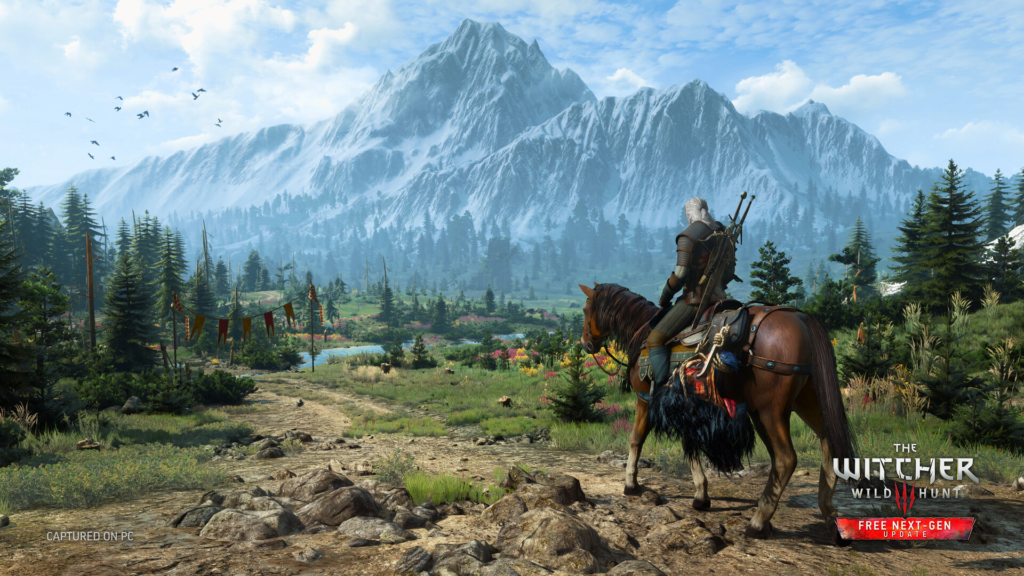
The side quests are a separate achievement in their own right. Where most open-world games treat secondary content as padding, The Witcher 3 uses it for storytelling: the best side missions are self-contained short stories with moral complexity, multiple outcomes, and emotional weight comparable to the main campaign. The two expansions — Hearts of Stone and Blood and Wine — are substantial enough to stand alone as full games. The combat rewards preparation: researching monster vulnerabilities, brewing the correct potions, and applying blade oils before engaging. Gwent, the in-game card game, is a justified addiction in itself.
7. The Elder Scrolls V: Skyrim — The Game That Refuses to End
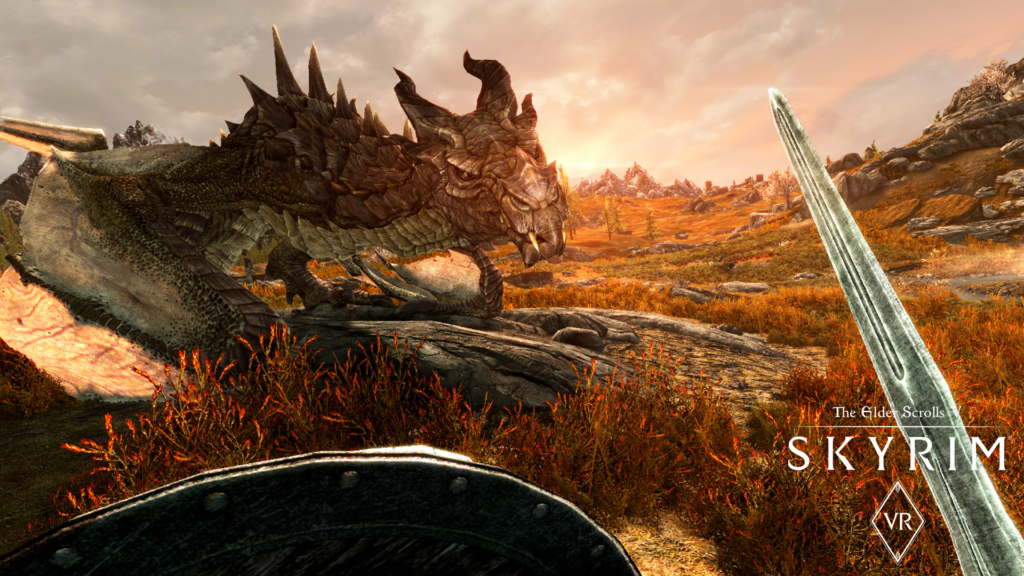
Skyrim has now been released on more platforms than any game in history, and people continue to buy it. This is not simply brand loyalty or nostalgia: it is because Skyrim offers something that very few games do, which is a genuinely open space for self-directed play. You are the Dragonborn, prophesied slayer of the world-eating dragon Alduin. But you are entirely free to ignore that and become the Archmage of Winterhold instead, or the master thief of the Thieves Guild, or the leader of the Dark Brotherhood, or simply a wanderer who builds a house and adopts orphaned children.
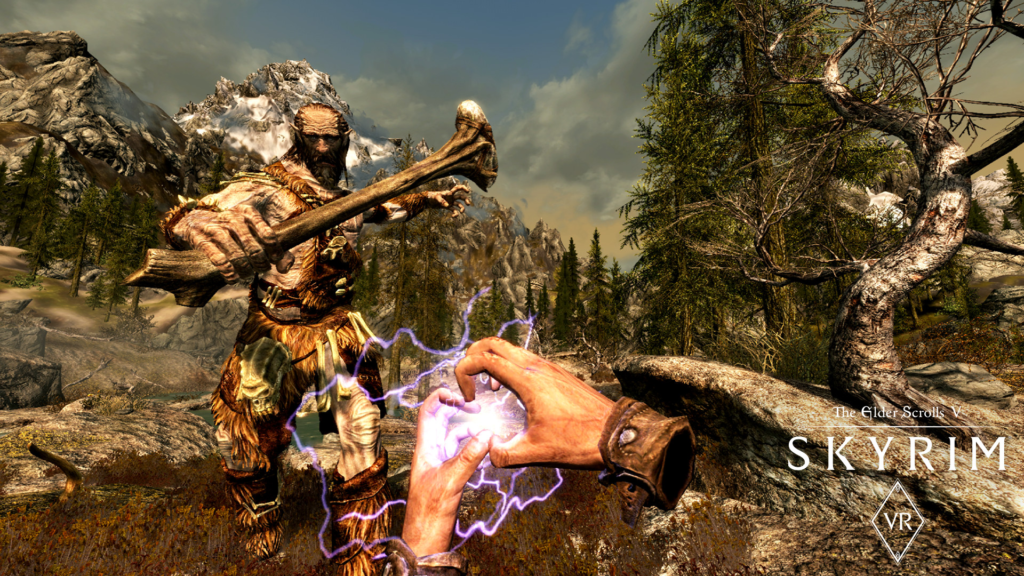
The classless levelling system means your character becomes whatever you play: use stealth and archery, and those skills develop; cast spells and your magic strengthens. Hundreds of dungeons, dozens of questlines, and a landscape that rewards exploration with unexpected encounters at every turn. On PC, the modding community has spent over a decade expanding, rebuilding, and reimagining the game — adding new questlines, overhauling the visual engine, introducing entire new regions. The base game alone justifies its price; with mods, it becomes effectively endless.
8. Assassin’s Creed: Valhalla — Norse Myth Meets English History
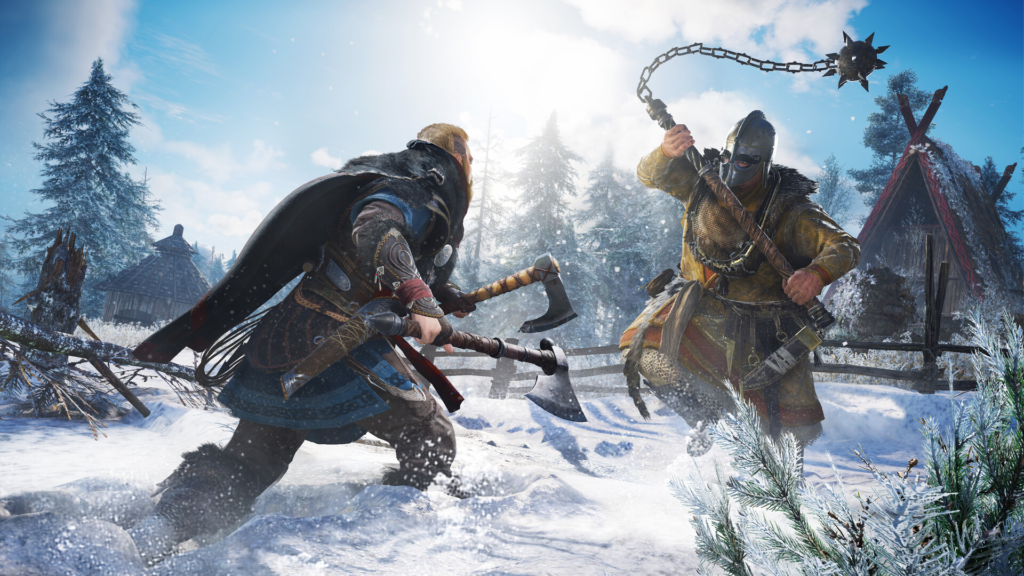
Assassin’s Creed: Valhalla is the most expansive entry in a series already known for generous scale. You play as Eivor, chieftain of a Norwegian clan driven to seek fortune and land in ninth-century England. The historical setting is recreated with genuine care — the landscape of Anglo-Saxon England, the patchwork of regional kingdoms, the tension between Viking settlers and the native population — but the game’s ambition extends beyond history into Norse mythology, with substantial sequences set in Asgard itself.
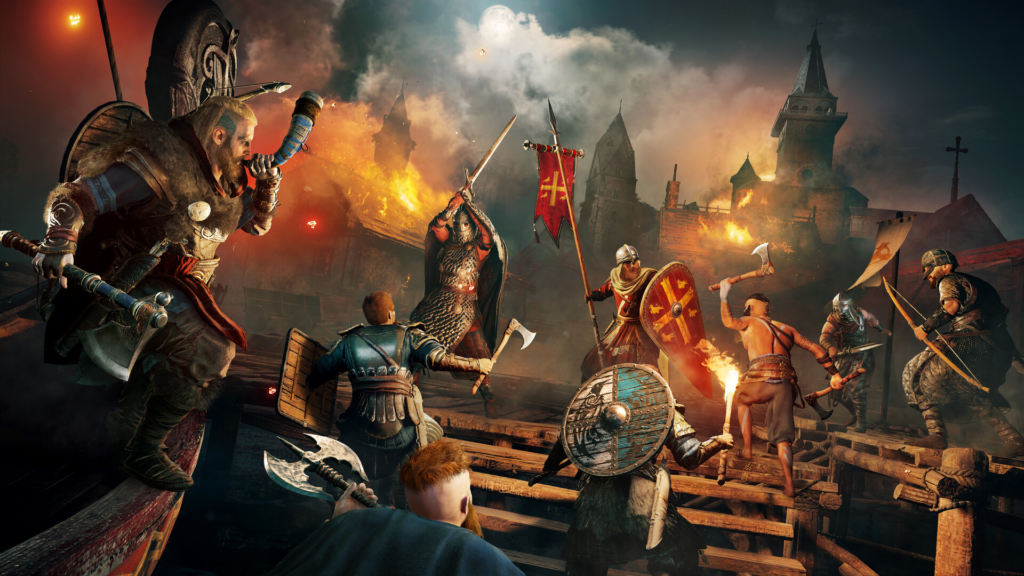
The combat system leans into the brutal physicality of its setting: axes, shields, spears, and dual-wielding, with each strike registering the kind of weight you would expect from a Viking. Stealth remains available for players who prefer it, though the game rarely punishes you for abandoning subtlety entirely. The settlement system allows you to develop your own community over the course of the game, recruiting specialists and expanding your base of operations. Between the main narrative, regional storylines, mythological sequences, and an extensive list of side activities including hunting, fishing, orlog, and flyting, a single playthrough stretches well past 100 hours.
9. Baldur’s Gate 3 — Dungeons & Dragons Without a Dungeon Master’s Limitations
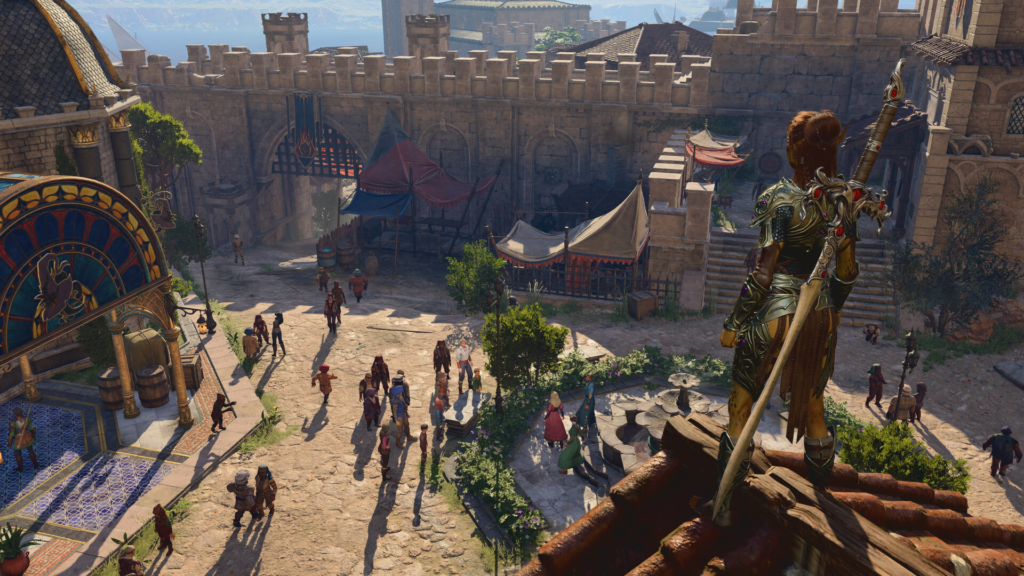
Baldur’s Gate 3 is, by most reasonable measures, the most ambitious RPG ever shipped. Larian Studios built a faithful implementation of Dungeons & Dragons Fifth Edition rules and then surrounded them with a world so reactive and detailed that it functions less like a video game and more like an extremely sophisticated tabletop campaign. You begin with a mind flayer parasite in your skull, a crashed nautiloid ship, and a party of equally infected strangers who have every reason to distrust each other and no choice but to cooperate.
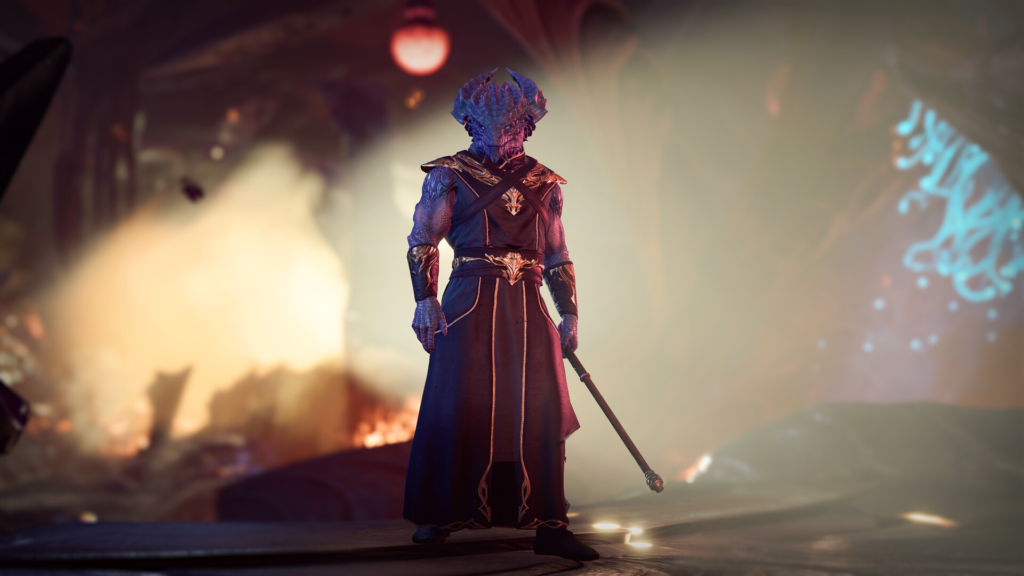
What follows is roughly 100 to 150 hours of genuinely emergent storytelling. Nearly every situation in the game can be approached from a dozen angles: diplomacy, deception, magic, physical improvisation, or the brute force application of telekinesis to structural hazards. Companions are written with the depth of major characters in prestige television: they have opinions about your decisions, relationships with each other that develop independently of you, and personal quests that intersect with the main narrative in unexpected ways. Character creation offers 132 distinct race-and-class combinations. Multiple playthroughs are not just possible — they are genuinely different experiences. Baldur’s Gate 3 is the rare game that fully delivers on everything it promises.
Finding the Right Game for You
Each title in this list represents a distinct kind of long-form experience. Red Dead Redemption 2 and Mass Effect are cinematic, narrative-driven investments. Divinity: Original Sin 2 and Baldur’s Gate 3 reward patience, strategic thinking, and tolerance for complexity. The Witcher 3 and Skyrim offer the broadest possible canvas for self-directed exploration. Fallout 4 blends action and construction in a way that appeals to builders as much as fighters. GTA V is a city you can inhabit for years. Persona 5 Royal and Assassin’s Creed: Valhalla each bring something distinctly different in tone and structure. Whatever you are looking for, one of these games will provide it — in abundance.

Comments (0)
Sign In / Sign Up
Sign in to leave a comment.
No comments yet
Be the first one to share your thoughts!