

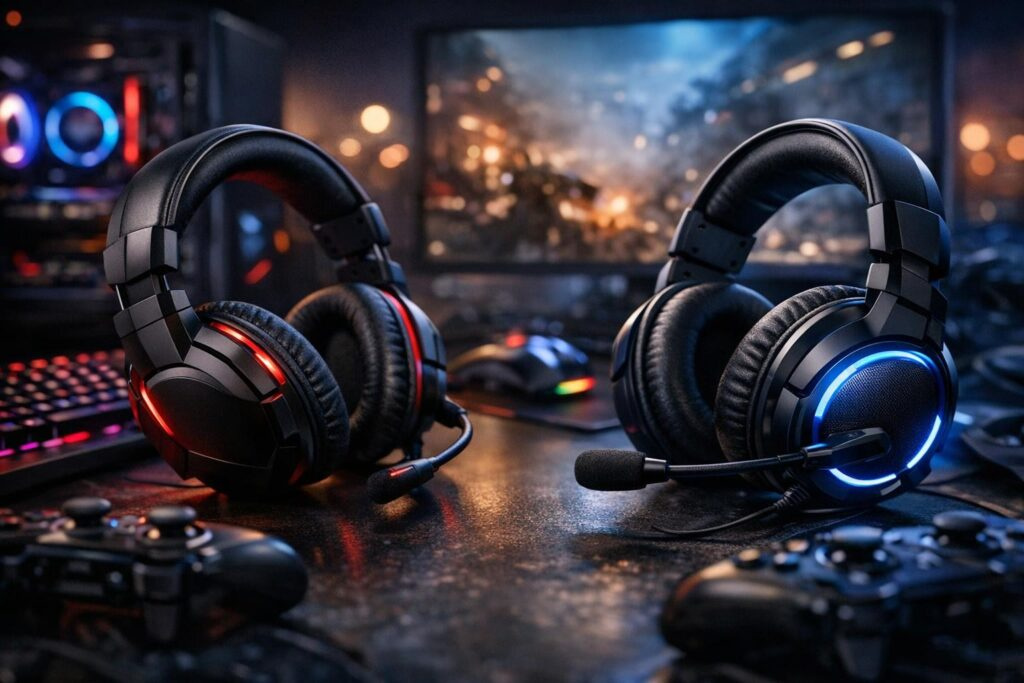

Picking the right gaming headset isn’t just about grabbing something that lets you chat with teammates. It’s your ticket into a world of deep immersion where every sound matters and your voice comes through crystal clear. No wonder gamers often spend as much time choosing their headset as they do selecting a graphics card or monitor. Let’s break down what really deserves your attention when shopping for the perfect gaming headset.
Sound Quality: The Foundation of Your Gaming Experience
When we talk about gaming headset sound quality, we’re not just discussing volume. We’re looking at an entire spectrum of characteristics that shape how you perceive the gaming world around you. At the heart of any headphone sits the acoustic driver—the engine that powers your audio experience.
Modern 40mm graphene drivers deliver sound clarity across the entire frequency range. These drivers create balance between heavy explosion effects and subtle musical details, letting you hear every nuance of what’s happening on screen. If you prefer richer bass, some premium gaming headphones offer powerful low-end response without sacrificing detail in other frequencies.
The sound profile of your headset defines its character. Most gaming headphones use a V-shaped profile that emphasizes bass and treble frequencies, creating energetic sound perfect for action games and shooters. This means explosions hit harder while dialogue remains intelligible.
However, if you’re diving into role-playing games, you might need a more balanced sound profile with well-developed mid-range frequencies. That’s why many modern headsets offer companion apps with over 100 gaming EQ presets. This customization lets you optimize sound for each game individually.
Pay special attention to Dolby Atmos support. This surround sound system creates the impression of three-dimensional space, which proves critical for spatial awareness in competitive shooters. This technology becomes a serious advantage for esports athletes who need every edge they can get.
Driver Technology Makes the Difference
The type of driver inside your gaming headset dramatically impacts what you hear. Dynamic drivers remain the most common choice, offering solid performance across all frequencies. Bio-cellulose drivers take things further by reducing distortion and improving transient response—that’s the speed at which sound starts and stops.
Some premium models feature planar magnetic drivers that deliver exceptional detail and accuracy. These drivers work differently from traditional dynamic drivers, using a thin diaphragm suspended between magnets. The result? Incredibly precise sound reproduction that competitive gamers swear by.
- Dynamic drivers: Best all-around performance for most gaming scenarios
- Graphene drivers: Superior stiffness-to-weight ratio for cleaner sound
- Bio-cellulose drivers: Reduced distortion and improved bass response
- Planar magnetic drivers: Ultimate detail and accuracy for audiophile gamers
Soundstage: Hear What You Can’t See
Soundstage creates that magical sensation of space where sounds seem to come from all directions rather than directly inside your ears. This becomes critically important for positional awareness in games, especially in competitive FPS titles where hearing an approaching enemy behind you means the difference between victory and defeat.
Headphone construction plays a key role here. Open-back headphones provide wider and more natural soundstage than closed models. The reason is simple: sound can freely exit from behind the ear cup, creating the sensation of greater space around you.
Open-back gaming headphones with 45mm dynamic drivers paired with open construction create excellent solutions for sound localization in games. Gamers note these headphones allow incredibly precise determination of where enemy footsteps originate—sometimes even better than pricier competitors.
Open-back designs with detailed soundstage impress many users. The open construction lets lower frequencies breathe freely while high and mid frequencies spread across their full width, creating space for clear perception of dialogue and effects.
The Open vs Closed Debate
But here’s the catch: open-back headphones aren’t the solution for everyone. If you have roommates or a significant other, they’ll hear sound from your headphones almost as well as you do. This becomes a serious drawback for shared living spaces. Closed-back headphones isolate sound better but deliver less spacious soundstage.
The choice between open and closed-back design ultimately depends on your gaming environment and whether you value soundstage over noise isolation.
Microphone Quality: Be Heard, Not Ignored
Gaming headset microphone quality often gets overlooked during selection, but that’s a huge mistake. A good microphone makes the difference between your team understanding you clearly or politely asking you to mute yourself.
Top-tier gaming headsets set the industry standard for microphone performance. Detachable boom mics with condenser capsules and built-in pop filters deliver exceptional audio clarity. During testing, even colleagues note that sound through these microphones sounds better than real life. These professional-grade mics boast sampling rates previously available only in professional recording equipment.
For content creators and streamers, broadcast-grade microphones with low-latency wireless connections prove ideal. This becomes the perfect choice if you plan not just to communicate in-game but also stream on Twitch or YouTube.
Noise Cancellation Changes Everything
The key consideration is noise cancellation technology. Even the best microphone loses value if it picks up every keyboard sound while typing. Quality gaming headsets feature impressive noise suppression, effectively masking keyboard noise. This matters because during intense gameplay you’re often rapidly pressing keys, and your entire team can hear it.
Retractable boom mics on modern headsets ensure clean voice transmission even in noisy environments. Teammates report crystal-clear communication without distortion during multiplayer sessions.
For budget-conscious gamers, affordable options still offer excellent microphone quality at accessible price points. These budget solutions don’t sacrifice communication quality where it counts most.
Comfort: Hours of Gaming Without Pain
You might have perfect sound and the best microphone in the world, but if your headset presses on your head like a steel clamp, you won’t wear it longer than a couple hours.
Ear cushion material plays a critical role in comfort. Memory foam ear cups provide comfortable fit for extended wear. They adapt to your ear shape, though they can cause overheating during long sessions.
Material Matters for Marathon Gaming
Velour ear pads remain a popular choice for long-term comfort. Premium gaming headsets feature soft velour cushions and well-padded headbands. Some models are specifically designed for gamers who don’t want their ears getting hot during extended sessions.
- Memory foam: Excellent initial comfort but can trap heat
- Velour padding: Breathable and comfortable for marathon sessions
- Leatherette: Easy to clean but less breathable
- Mesh fabric: Maximum breathability for hot climates
Headset weight also matters significantly. Heavy headphones cause neck fatigue, especially if you game four to eight hours daily. Most modern headsets weigh between 200 and 300 grams, but lightweight models barely register on your head.
Headband Tension and Adjustability
Headband tension needs to hit that sweet spot. Too loose and headphones slip off, too tight and your head aches after an hour. Quality headsets with metal adjustment mechanisms let you find the perfect balance.
For glasses wearers, ensuring cushions are soft enough to avoid pressing on frames becomes crucial. This often-overlooked aspect proves critical for long-term comfort during extended gaming sessions.
Battery Life and Connectivity: Freedom Without Limits
Wireless technology has reached the level where it competes with wired models in sound quality while offering clear advantages in convenience.
Battery life represents a real number that manufacturers often overestimate. Modern premium wireless gaming headsets claim battery life exceeding 55 hours, more than double previous generations. This means charging your headset once weekly rather than daily.
Quality wireless headsets promise over 42 hours of autonomous operation, while some budget-friendly options deliver impressive 60-hour battery life. Even with intensive use, this means you’ll rarely catch the moment when battery dies during a critical battle moment.
Low-Latency Wireless Technology
Low-latency wireless connection distinguishes gaming headphones from regular audio equipment. USB dongles used in premium gaming headsets ensure video and sound synchronization with minimal delay. This proves critical for competitive gameplay where even milliseconds can decide match outcomes.
Some headsets offer multi-platform compatibility, working practically with any device. This makes them ideal choices for gamers playing on PC, PlayStation, and Nintendo Switch interchangeably.
| Connection Type | Latency | Best For |
|---|---|---|
| 2.4GHz Wireless | Ultra-low | Competitive gaming |
| Bluetooth | Moderate | Casual gaming, mobile |
| Wired USB | Zero | Professional esports |
| 3.5mm Jack | Zero | Console gaming |
Choosing Based on Platform and Gaming Style
Your ideal gaming headset depends on how you play and which platforms you use most frequently.
For Competitive FPS Gaming
Competitive FPS games like Counter-Strike, Valorant, and Call of Duty require headsets with excellent soundstage and positional audio. Open-back construction helps you hear enemies before they hear you. Models with advanced drivers provide bass space critical for detecting opponent footsteps.
The ability to pinpoint enemy location through audio cues can mean the difference between climbing ranks or staying stuck. Invest in headsets specifically tuned for competitive advantage.
For Story-Driven Games and RPGs
Story-driven games and RPGs benefit from well-balanced sound with clear mid-range frequencies for dialogue. Headsets with carbon drivers delivering rich, deep sub-bass and natural mids prove ideal for immersion in game worlds.
These games prioritize atmospheric sound and voice acting quality over split-second competitive advantage. Choose headsets that excel at reproducing the full emotional range of orchestral scores and voice performances.
For Content Creators and Streamers
Streamers need professional microphones with low-latency wireless connections. This investment pays off through cleaner voice audio for viewers. Your audience will appreciate broadcast-quality sound that doesn’t compete with game audio.
For Mobile and Console Gaming
Mobile gamers benefit from lightweight headsets with strong battery life. Models with 40mm drivers reproduce games without distortion even at maximum volume. Console gamers should verify compatibility with their specific platform before purchasing.
Practical Shopping Tips for Gaming Headsets
When selecting the best gaming headset for your needs, work through this checklist systematically.
Determine Your Priority
What matters most: sound quality, microphone performance, or comfort? You can’t have everything in a budget model, so choose the compromise that works for you. Be honest about which features you’ll actually use versus which sound nice on paper.
Test Before Buying When Possible
If possible, try on the headset before purchasing. Comfort remains subjective—what feels comfortable for one person might prove torture for another. Pay attention to pressure points around your ears and on top of your head.
Verify Platform Compatibility
Ensure your headset works with all your devices. Not all models work with Xbox, for example. Some headsets require specific adapters or dongles for certain platforms. Check manufacturer specifications carefully.
Consider Your Environment
If you have a noisy environment with roommates or family members, closed-back headphones become your choice despite less spacious soundstage. Open-back headphones leak sound both ways, meaning you’ll hear outside noise and others will hear your game.
Read Reviews Beyond Specifications
Technical specifications don’t tell the complete story. Real gamer reviews often reveal issues manufacturers gloss over. Look for consistent patterns in user feedback about comfort, durability, and real-world performance.
Think Long-Term Investment
Models with replaceable ear cushions serve longer than models with permanent components. Brands known for build quality might cost more upfront but save money over years of use. Consider warranty coverage and customer service reputation.
Premium vs Budget: Finding Your Sweet Spot
The gaming headset market spans from budget-friendly options under fifty dollars to premium models exceeding three hundred dollars. Understanding what you get at each price point helps make informed decisions.
Budget Tier: Under $75
Budget gaming headsets deliver solid performance for casual gamers. You’ll typically find basic dynamic drivers, decent microphones for team chat, and adequate comfort for shorter sessions. Don’t expect premium materials or advanced features like surround sound processing.
These headsets work great as entry points or backup options. They prove perfect for younger gamers or those unsure about committing to expensive equipment.
Mid-Range: $75-$150
The mid-range sweet spot offers excellent value. Here you’ll find improved driver quality, better build materials, wireless options, and companion software for audio customization. Microphone quality takes a noticeable step up.
This price range satisfies most gamers who play regularly and want quality without breaking the bank. You get legitimate performance improvements over budget options.
Premium Tier: $150+
Premium gaming headsets deliver top-tier audio quality, broadcast-grade microphones, advanced wireless technology, and exceptional comfort. These models often feature planar magnetic drivers, replaceable components, and extensive customization options.
Competitive gamers, audiophiles, and content creators benefit most from premium investment. The performance difference becomes apparent in every gaming session.
Maintenance and Care for Longevity
Proper care extends your gaming headset lifespan significantly. Follow these maintenance practices to protect your investment.
- Clean ear cushions regularly with gentle cleaner to prevent buildup
- Store headset on proper stand to maintain headband shape
- Keep firmware updated for optimal performance
- Avoid stretching headband unnecessarily
- Replace ear cushions when they show wear
- Use carrying case for travel protection
Gaming headsets with modular designs make maintenance easier. Being able to replace individual components means you don’t need to replace the entire unit when one part wears out.
Final Thoughts on Gaming Headset Selection
Choosing the ideal gaming headset requires balancing sound quality, microphone performance, comfort, and price. No single universal solution exists for everyone. Your perfect headset depends on your gaming style, platform, environment, and budget.
Remember that investing in a quality headset means investing in improved gaming experience. You’ll hear enemy footsteps earlier, your team will understand your callouts on first attempt, and your ears won’t hurt after eight-hour gaming sessions. This isn’t luxury—it’s a tool that makes you a better player.
Take time researching options, reading real user reviews, and understanding what features matter most for your specific needs. The right gaming headset transforms how you experience games, providing competitive advantages while delivering immersive audio that pulls you deeper into virtual worlds.
Whether you’re a competitive esports athlete needing every audio advantage, a content creator requiring broadcast-quality voice capture, or a casual gamer seeking comfortable equipment for weekend sessions, the perfect gaming headset awaits. Make your choice based on informed understanding rather than marketing hype, and you’ll enjoy years of superior gaming audio.
Frequently Asked Questions About Gaming Headsets
What’s the difference between gaming headsets and regular headphones?
Gaming headsets typically include attached microphones optimized for voice communication, sound profiles tuned for gaming audio cues like footsteps and explosions, and low-latency wireless connections. Regular headphones prioritize music reproduction and often lack microphones entirely. Gaming headsets also frequently offer surround sound processing and companion software for audio customization specific to different games.
Do I really need wireless for gaming or should I stick with wired?
Modern wireless gaming headsets with 2.4GHz connections deliver latency so low you won’t notice any delay. Battery life on premium models now exceeds 40-60 hours, meaning you charge weekly rather than daily. Wireless offers freedom of movement without performance sacrifice. However, wired connections guarantee zero latency and never need charging, making them preferred for professional esports competitions where every millisecond counts.
How important is surround sound for gaming?
Surround sound technology like Dolby Atmos significantly improves spatial awareness in competitive games, helping you pinpoint enemy locations through audio cues. For story-driven single-player games, surround sound enhances immersion but isn’t critical for success. If you play competitive shooters regularly, surround sound provides genuine tactical advantages. For casual gaming, stereo sound with good soundstage often proves sufficient.
Are open-back headphones worth the sound leakage?
Open-back headphones deliver superior soundstage and more natural audio reproduction, making them excellent for competitive gaming where hearing enemy positions matters most. However, they leak sound both directions—you’ll hear external noise and others will hear your game audio. If you game in a private space and prioritize competitive advantage, open-back design proves worthwhile. For shared living spaces or noisy environments, closed-back headphones make more practical sense.
Can I use my gaming headset for music and movies too?
Absolutely. Quality gaming headsets work excellently for music and movies, though sound profiles tuned for gaming may emphasize bass and treble more than audiophile headphones. Many gaming headsets include EQ presets for music and movies alongside gaming profiles. If you want one headset for all entertainment, choose models with balanced sound signatures and good mid-range reproduction for vocal clarity in music and dialogue in films.
How long should a gaming headset last?
With proper care, quality gaming headsets last three to five years or longer. Models with replaceable ear cushions and cables extend lifespan significantly since you can replace worn components rather than the entire unit. Budget headsets typically last one to two years before comfort degradation or component failure. Premium headsets with metal frames and quality materials often exceed five years of regular use. Battery degradation in wireless models eventually requires replacement after several years of daily charging.
What headset features matter most for competitive gaming?
For competitive gaming, prioritize low-latency connection, excellent soundstage for positional audio, clear microphone for team communication, and comfortable fit for marathon gaming sessions. Sound quality tuned for hearing footsteps and subtle audio cues matters more than deep bass. Wired or 2.4GHz wireless connections beat Bluetooth for latency. Lightweight design reduces fatigue during long tournaments. EQ customization lets you emphasize frequencies critical for competitive advantage in your main game.

Comments (0)
Sign In / Sign Up
Sign in to leave a comment.
No comments yet
Be the first one to share your thoughts!