

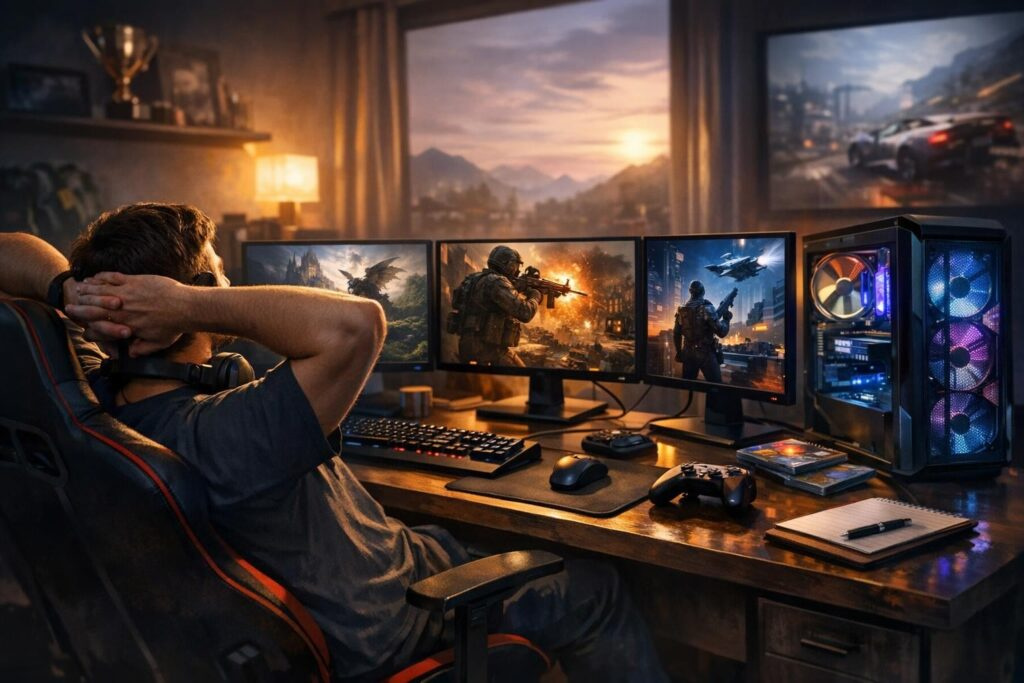

Ever loaded up your favorite game, stared at the menu screen, and just… closed it? You’re not alone. That crushing feeling when gaming stops being fun is called gamer burnout, and it’s wrecking motivation for millions of players worldwide. Whether you’re grinding ranked matches or casually exploring open worlds, understanding why you abandon games can help you fall back in love with gaming. Let’s dive into the psychology behind gaming motivation and discover how to beat burnout for good.
Understanding Gaming Burnout and Motivation Loss
Gaming burnout isn’t just feeling tired after a long session. It’s a complete motivational collapse where your favorite hobby becomes a chore. Your body feels drained, your mind foggy, and launching that game icon feels like climbing a mountain. This phenomenon affects everyone from casual players to professional esports athletes.
Research into competitive gaming reveals that performance decline is the number one trigger for burnout among professional players. When you consistently underperform, lose matches, or fail to hit your goals, your self-esteem takes repeated hits. This creates a vicious cycle where stress increases, confidence drops, and motivation evaporates completely.
Core Triggers That Kill Your Gaming Motivation
Several psychological factors combine to create the perfect storm for gaming burnout:
- Overtraining and excessive grinding – Playing the same game for hours daily without breaks leads to mental and physical exhaustion
- Emotional exhaustion – Dealing with toxic teammates, community negativity, or constant losses drains your emotional reserves
- Relationship conflicts – Drama with squad members, guild tensions, or competitive team issues create additional stress
- Loss of enjoyment – When gaming feels like an obligation rather than entertainment, you’ve hit the burnout zone
- Repetitive gameplay – Doing the same tasks repeatedly without variety kills dopamine production in your brain
The gaming industry knows this well. Game designers deliberately create small wins and progression systems to keep your brain engaged. When those dopamine hits disappear, your motivation crashes hard.
Recognizing the Warning Signs Before You Quit
Catching gaming burnout early can prevent you from abandoning games completely. Pay attention to these red flags that signal your motivation is tanking.
Physical Symptoms of Gamer Burnout
Your body often signals problems before your mind consciously recognizes them. Watch for these physical indicators:
- Persistent wrist, hand, or back pain during or after gaming sessions
- Chronic sleep problems or irregular sleep patterns
- Frequent headaches or eye strain
- General fatigue that doesn’t improve with rest
- Neglecting basic needs like eating or hydration during gaming
Mental and Emotional Warning Signs
The psychological symptoms of gaming burnout can be even more damaging than physical ones:
- Feeling like a zombie while playing with zero emotional engagement
- Increased anxiety before gaming sessions
- Harsh self-criticism and negative self-talk about your gaming skills
- Irritability or mood swings related to gaming outcomes
- Procrastinating on launching games you used to love
When gaming stops providing relaxation and becomes another source of stress, your relationship with entertainment has fundamentally shifted. This is your brain begging for a reset.
Proven Strategies to Restore Gaming Motivation
Good news: gaming burnout isn’t permanent. With the right approach, you can reignite your passion and enjoy games again. These evidence-based strategies work for both casual and competitive players.
Switch Your Gaming Genre Completely
Your brain needs variety to stay engaged. If you’ve been grinding competitive shooters for months, your neural pathways have become predictable and boring. Switching genres acts as a palate cleanser for your mind.
Try these genre switches to refresh your gaming motivation:
- From fast-paced FPS games to relaxing farming simulators or cozy games
- From massive RPGs to quick roguelikes with shorter sessions
- From competitive ranked matches to single-player story experiences
- From complex strategy games to simple puzzle or rhythm games
The goal isn’t abandoning your favorite games forever. You’re giving your brain the novelty it craves while your motivation naturally rebuilds.
Implement Strategic Breaks Without Guilt
Many gamers feel guilty about taking breaks, thinking they’ll fall behind or lose their edge. This mindset accelerates burnout. Professional esports athletes understand that rest is when improvement actually happens.
Try the Pomodoro technique adapted for gaming:
- Play for 25-50 minutes of focused gaming
- Take a 5-10 minute break away from screens
- Physically leave your gaming space during breaks
- Do light stretching or walk around
- After four cycles, take a longer 30-minute break
These structured breaks prevent the zombie-mode feeling that signals burnout. Your performance often improves because your brain processes information during rest periods.
Manage Your Social Gaming Environment
The people you play with dramatically impact your gaming motivation. Toxic teammates can destroy your enjoyment faster than any losing streak.
Optimize your social gaming experience:
- Play with supportive friends when you want relaxed, fun sessions
- Go solo when you need to decompress without social pressure
- Immediately mute or block toxic players without hesitation
- Join communities that prioritize positive interactions
- Take breaks from voice chat if it’s draining your energy
Remember that protecting your mental space isn’t being antisocial. It’s maintaining healthy boundaries that preserve your gaming enjoyment.
Prioritize Physical Health for Mental Performance
Your gaming performance and motivation directly connect to your physical health. This isn’t fluffy advice – it’s neuroscience. When your body suffers, your brain can’t produce the chemicals needed for motivation and enjoyment.
Essential health habits for gamers:
| Health Factor | Impact on Gaming | Quick Fix |
| Sleep Quality | Affects reaction time and decision-making | 7-9 hours nightly, consistent schedule |
| Nutrition | Brain fuel for focus and sustained attention | Regular meals, stay hydrated, limit junk food |
| Physical Activity | Reduces stress hormones, boosts mood | 20-30 minutes exercise 3x weekly |
| Posture | Prevents pain that distracts from gaming | Ergonomic setup, hourly posture checks |
Exercise particularly helps combat gaming burnout because it produces the same dopamine that gaming used to provide. When games stop giving you that chemical reward, physical activity fills the gap while your gaming motivation recovers.
Set Realistic Goals and Track Progress
Unrealistic expectations are motivation killers. When you set impossible standards, you guarantee feelings of failure that feed burnout. Smart goal-setting transforms grinding into satisfying progression.
Break down your gaming goals:
- Replace “reach highest rank” with “improve one specific skill this week”
- Instead of “complete entire game,” try “finish one chapter tonight”
- Change “win every match” to “focus on personal performance regardless of outcome”
- Track small wins like improved accuracy, better communication, or trying new strategies
This approach gives your brain those crucial dopamine hits from achievement without requiring perfect performance every time.
When Gaming Becomes Obsessive: Knowing the Difference
There’s a critical difference between passionate gaming and obsessive gaming. Passionate gamers play because they genuinely enjoy it. Obsessive gamers continue playing despite negative consequences because they feel compelled.
Signs your gaming has crossed into unhealthy territory:
- Playing through physical pain or injury
- Neglecting work, school, or important relationships for gaming
- Feeling withdrawal symptoms when not gaming
- Gaming to escape persistent negative emotions
- Lying about time spent gaming
If these resonate strongly, you might need a longer break or professional support. Gaming burnout can sometimes mask deeper issues with anxiety, depression, or addiction that deserve proper attention.
Rebuilding Your Gaming Identity After Burnout
After experiencing gaming burnout, your relationship with games might need redefinition. This is actually an opportunity to create a healthier, more sustainable gaming lifestyle.
Redefine Why You Game
Ask yourself honestly: why do you game? Your answer reveals whether your motivation is internally driven or externally pressured.
Healthy gaming motivations include:
- Genuine enjoyment and entertainment
- Social connection with friends
- Creative expression and problem-solving
- Stress relief and relaxation
- Personal challenge and skill development
Unhealthy motivations that lead to burnout:
- Fear of missing out on content or events
- Validation through rank or achievements
- Escaping from problems instead of addressing them
- Maintaining an identity built entirely around gaming
- Keeping up with content creators or friends
Aligning your gaming habits with healthy motivations prevents future burnout cycles.
Create Gaming Boundaries That Stick
Boundaries aren’t restrictions – they’re frameworks that protect your enjoyment. Setting clear gaming boundaries helps maintain long-term motivation.
Effective gaming boundaries include:
- Specific gaming hours that don’t interfere with sleep or responsibilities
- Device-free zones or times in your daily routine
- Maximum session lengths before mandatory breaks
- Emotional check-ins: stop gaming if you feel angry or frustrated for more than a few minutes
- Balance requirements: gaming only after completing certain daily tasks
The key is consistency. Boundaries only work when you actually follow them, even when games are exciting.
The Role of Game Design in Player Burnout
Not all gaming burnout comes from player behavior. Modern game design sometimes actively contributes to motivation loss through exploitative mechanics.
Predatory Mechanics That Drain Motivation
Some games use psychological tricks that create short-term engagement but long-term burnout:
- Daily login rewards – Create obligation instead of enjoyment
- FOMO-inducing limited events – Pressure you to play when you don’t want to
- Endless progression systems – No natural stopping point or completion satisfaction
- Aggressive monetization – Constant reminders of what you’re missing without spending
- Artificial difficulty spikes – Designed to frustrate rather than challenge fairly
If a game makes you feel guilty for not playing daily, that’s a design problem, not a you problem. Healthy games respect your time and autonomy.
Recognizing these patterns helps you choose games that support sustainable enjoyment rather than exploiting your psychology.
Moving Forward: Your Gaming Recovery Plan
Gaming burnout feels overwhelming, but recovery is absolutely possible. The key is approaching your return to gaming intentionally rather than falling back into old patterns.
Start with these immediate actions today:
- Take at least a three-day complete break from the game that burned you out
- Try one new game in a completely different genre
- Set one small, achievable gaming goal for this week
- Schedule physical activity into your routine
- Write down why you originally loved gaming
Remember that gaming should enhance your life, not dominate it. You’re not a failure for experiencing burnout – you’re human. The gaming industry, competitive pressure, and modern game design all contribute to motivation loss. By understanding the psychology behind why you abandon games, you can build a healthier relationship with gaming that lasts.
Your gaming passion isn’t dead. It just needs the right conditions to reignite. Take the pressure off, implement these strategies gradually, and watch your motivation naturally return. The games will be there when you’re ready. Focus on rebuilding the joy first, and performance will follow.
Frequently Asked Questions
How long does gaming burnout typically last?
Gaming burnout duration varies significantly by individual and situation. Mild cases might resolve within a few weeks with simple changes like genre switching or taking breaks. Moderate burnout often requires one to three months of reduced gaming or complete breaks. Severe burnout can last six months or longer, especially if tied to deeper mental health issues. The recovery timeline depends on how quickly you address underlying causes like overtraining, toxic environments, or unrealistic expectations.
Can you prevent gaming burnout completely?
While complete prevention is difficult, you can significantly reduce burnout risk through proactive habits. Maintain variety in your gaming library, set clear boundaries around playtime, prioritize physical health, and regularly check in with your emotional state while gaming. Taking preventive breaks before motivation crashes is more effective than recovering from full burnout. The key is treating gaming as one part of a balanced lifestyle rather than your only source of enjoyment or identity.
Is gaming burnout the same as gaming addiction?
Gaming burnout and gaming addiction are related but distinct issues. Burnout involves losing motivation and enjoyment despite potentially wanting to play, often resulting from overexposure or stress. Gaming addiction involves compulsive gaming despite negative life consequences, with inability to reduce playtime even when desired. However, they can overlap – someone with addictive patterns often experiences repeated burnout cycles. If you suspect addiction rather than simple burnout, professional mental health support is recommended.
Should I completely quit gaming if I experience burnout?
Complete permanent quitting is rarely necessary for typical gaming burnout. Temporary breaks ranging from a few days to several months often resolve the issue effectively. However, if gaming consistently interferes with essential life areas like work, relationships, education, or health despite multiple attempts to moderate, a longer break or permanent reduction might be appropriate. Most gamers can return to healthy gaming after addressing burnout causes and establishing better habits.
Why do I feel guilty when taking breaks from gaming?
Gaming guilt often stems from fear of missing out, concern about falling behind in competitive rankings, pressure from gaming communities, or having tied your identity too closely to gamer status. Some games deliberately design mechanics to create this guilt through limited-time events and daily rewards. Recognizing that these feelings are often manufactured by game design rather than reflecting actual problems helps reduce guilt. Healthy gaming relationships include the freedom to step away without anxiety.
Can changing my gaming setup help with burnout?
Physical environment changes can definitely support burnout recovery. Improving ergonomics reduces physical discomfort that contributes to negative associations with gaming. Better lighting decreases eye strain. Creating clear separation between gaming and sleeping spaces improves rest quality. However, environmental changes alone won’t solve burnout rooted in psychological factors like overtraining or toxic communities. Combine setup improvements with addressing underlying motivational and emotional issues for best results.

Comments (0)
Sign In / Sign Up
Sign in to leave a comment.
No comments yet
Be the first one to share your thoughts!