

 fatheryarik
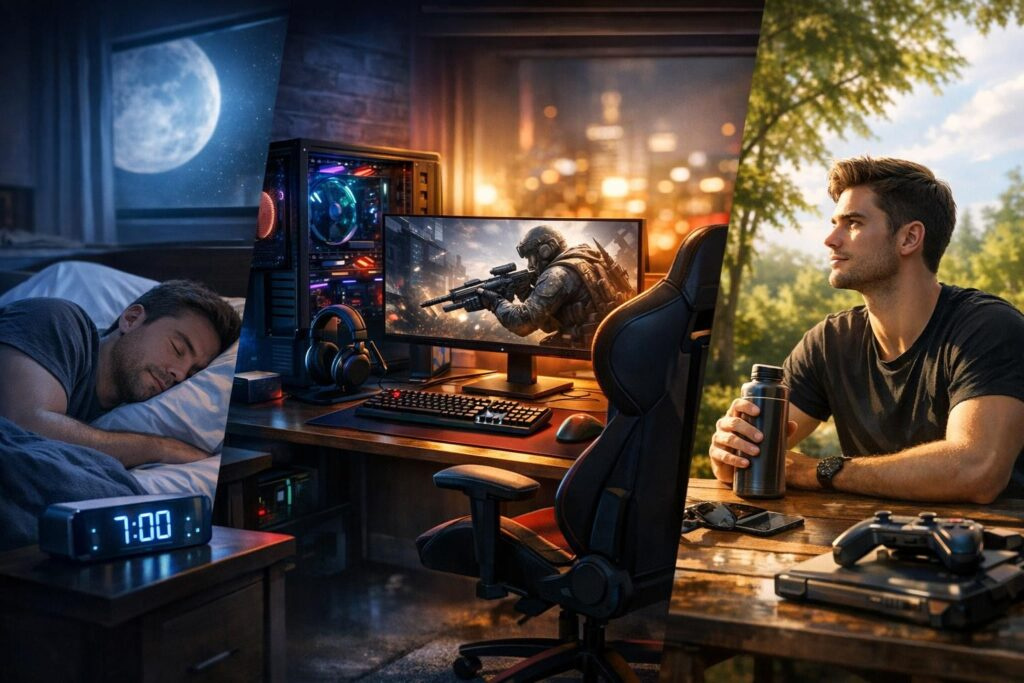
Gaming isn’t just about crushing opponents and climbing ranks anymore. If you want consistent performance without burning out, dealing with constant fatigue, or developing chronic pain, you need a solid foundation. Building a healthy gaming routine around sleep, breaks, and focus isn’t about restricting your playtime—it’s about optimizing your performance and longevity in the scene. Let’s break down how to level up your gaming lifestyle without sacrificing your health.
Why Sleep is Your Secret Weapon for Better Gaming Performance
Your sleep quality directly impacts everything from reaction time to decision-making speed. Professional esports athletes treat sleep like training because it genuinely affects their competitive edge. When you’re aiming for peak gaming performance, adequate rest becomes non-negotiable.
The Ideal Sleep Schedule for Gamers
Targeting seven to nine hours of sleep every night should be your baseline goal. Consistency matters more than you think—maintaining the same sleep and wake times even on weekends helps regulate your body’s internal clock. This consistency sharpens your reflexes and keeps your mental game strong during clutch moments.
Late-night gaming sessions until sunrise might feel productive in the moment, but they wreck your circadian rhythm and tank your performance the following day. Your brain processes information slower, your aim suffers, and you’re more likely to tilt during matches.
Creating an Effective Wind-Down Routine
Establishing a pre-sleep ritual signals your body that it’s time to power down. Start disconnecting from intense gaming at least one hour before bed. Your brain needs time to transition from the high-stimulation environment of competitive gaming to a relaxed state conducive to sleep.
- Dim your room lighting and enable night mode on all screens
- Do light stretching or mobility work to release tension
- Read something non-gaming related or try meditation
- Keep your bedroom cool, dark, and free from electronic distractions
Sleep Environment Optimization Tips
Your bedroom environment significantly influences sleep quality. Keep the temperature slightly cool, use blackout curtains if needed, and remove gaming setups from your sleeping area when possible. Your brain should associate your bed with rest, not ranked matches.
If you need a quick energy boost during the day, short power naps of twenty to thirty minutes can help without disrupting your nighttime sleep. Anything longer risks grogginess and interferes with your regular sleep cycle.
Strategic Breaks: Protecting Your Body During Long Gaming Sessions
Sitting in the same position for hours creates physical problems that can end gaming careers. Carpal tunnel syndrome, neck strain, and back pain aren’t just uncomfortable—they directly impact your ability to perform. Smart break strategies prevent these issues while actually improving your in-game performance.
The 20-20-20 Rule for Eye Health
Eye strain is one of the most common complaints among gamers. Implement the 20-20-20 rule: every twenty minutes, look at something twenty feet away for twenty seconds. This simple practice reduces eye fatigue and helps maintain visual clarity during extended sessions.
Micro-Breaks Between Matches
Use queue times and loading screens strategically. Stand up, walk around your space, and do quick mobility exercises. These fifteen to twenty-minute intervals between games are perfect opportunities to:
- Roll your shoulders backward and forward
- Stretch your wrists and fingers with simple flexion exercises
- Do neck rotations to release tension
- Walk to another room to give your eyes a break from screen distance
Longer Breaks for Physical Activity
Every hour, take a more substantial five to ten-minute break. Get genuine physical movement—walk outside, do bodyweight exercises, or simply change your environment completely. The World Health Organization recommends at least 150 minutes of moderate activity weekly, which you can distribute across your gaming week.
Movement isn’t just about health—it’s about maintaining peak performance. Physical activity increases blood flow to your brain, sharpening reaction times and decision-making abilities.
Hydration During Gaming Sessions
Dehydration kills focus faster than a bad internet connection. Keep water within arm’s reach and actually drink it throughout your session. A general guideline is consuming half your body weight in ounces of water daily. If you weigh 160 pounds, that’s roughly 80 ounces of water spread across the day.
Energy drinks have their place, but alternating them with water prevents the crash and maintains steady hydration levels. Your cognitive performance depends on proper hydration more than most gamers realize.
Maximizing Focus Through Smart Gaming Schedules
Random gaming sessions whenever you feel like it might work for casual play, but building a structured schedule transforms your performance. Creating consistent gaming blocks trains your brain to enter focus mode more efficiently.
Establishing Set Gaming Windows
Professional teams don’t practice whenever they feel like it—they follow structured schedules. You should too. Designate specific time slots for serious gaming, treating them like appointments you can’t skip. Evening sessions between 7 PM and 10 PM work well for most people, allowing you to handle daily responsibilities while still getting quality practice time.
Avoid the “just one more match” trap that destroys sleep schedules. When your designated gaming window ends, step away even if you’re on a winning streak. Consistency builds better long-term results than occasional marathon sessions.
Blue Light Management for Evening Gaming
Blue light exposure from screens suppresses melatonin production, making it harder to fall asleep after gaming. Enable blue light filters on your monitor and devices during evening sessions. Adding ambient room lighting behind your monitor reduces eye strain and minimizes the contrast between your bright screen and dark surroundings.
Pre-Gaming Preparation Routine
Top performers don’t just jump into competitive matches cold. Spend ten minutes before your gaming session doing light physical activity—jumping jacks, quick stretches, or a brief walk. This primes your body and mind for focused performance.
- Prepare healthy snacks in advance to avoid junk food during sessions
- Set up your water and everything you need within reach
- Do breathing exercises to center your focus
- Review goals for the session before launching your game
Ergonomic Setup for Long-Term Gaming Health
Your physical setup directly affects both performance and health outcomes. Poor ergonomics creates cumulative damage that might not hurt immediately but will catch up with you.
Proper Posture Fundamentals
Maintain a neutral spine position with your shoulders relaxed and pulled slightly back. Your monitor should sit at eye level—you shouldn’t be looking down or craning your neck upward. Feet should rest flat on the floor with knees at roughly 90 degrees.
Equipment Positioning
Your keyboard and mouse placement affects wrist health significantly. Keep them at a height where your forearms remain parallel to the floor. Your wrists should float in a neutral position rather than bending up or down during play. Consider a wrist rest for additional support during less intense gaming moments.
Building Your Weekly Gaming Routine Template
Consistency transforms scattered habits into performance-enhancing routines. Here’s a practical framework for structuring your week:
| Day Type | Sleep Schedule | Break Strategy | Focus Technique |
|---|---|---|---|
| Weekdays | 11 PM – 7 AM | 20-20-20 rule + hourly movement | 2-hour evening sessions with warm-up |
| Weekends | Same schedule maintained | Add 10-minute morning activity | Morning practice blocks, evening wind-down |
Starting Small for Sustainable Change
Don’t overhaul everything overnight. Pick one element to improve first—maybe adjusting your bedtime thirty minutes earlier or implementing consistent breaks. Once that becomes automatic, add another improvement. Gradual changes stick better than drastic overhauls that feel overwhelming.
Nutrition and Gaming Performance Connection
What you eat affects your gaming performance more than most players realize. Heavy, greasy foods before gaming sessions make you sluggish and reduce reaction times. Time your larger meals at least two to three hours before serious gaming.
Keep nutrient-dense snacks nearby instead of chips and candy. Nuts, fruit, and vegetables provide sustained energy without the crash. Your brain burns significant glucose during intense gaming—feed it properly for consistent performance.
Balancing Gaming with Other Life Activities
A healthy gaming routine exists within a balanced lifestyle. Maintaining hobbies outside gaming, social connections beyond your squad, and physical activities creates a more sustainable approach to competitive gaming. This balance prevents burnout and keeps gaming enjoyable rather than obligatory.
Professional gamers with long careers all share this trait—they have interests and relationships outside gaming that provide mental breaks and perspective. Your gaming improves when it isn’t your entire identity.
Tracking Progress and Adjusting Your Routine
Monitor how these changes affect your performance and wellbeing. Notice patterns—do you perform better after eight hours of sleep versus seven? Do afternoon sessions feel sharper than late-night grinding? Use this data to refine your personal optimal routine.
Your body provides feedback constantly. Pay attention to energy levels, focus quality, and physical comfort. Adjust your routine based on what actually works for you rather than following rigid rules that don’t match your individual needs.
Common Mistakes That Sabotage Gaming Routines
Even with good intentions, certain habits undermine your efforts. Avoid these common pitfalls:
- Inconsistent sleep schedules that change dramatically on weekends
- Skipping breaks during win streaks or intense sessions
- Gaming immediately before bed without wind-down time
- Ignoring physical discomfort until it becomes chronic pain
- Relying on caffeine instead of addressing poor sleep habits
Building a healthy gaming routine isn’t about restriction—it’s about optimization. When you prioritize sleep quality, take strategic breaks, and maintain focus through structured schedules, you’re not limiting your gaming. You’re maximizing your potential for consistent, high-level performance while protecting your long-term health. Start implementing one change today, and you’ll notice improvements in both your gaming and overall quality of life within weeks.
Frequently Asked Questions
How many hours should I sleep as a competitive gamer?
Aim for seven to nine hours of sleep each night for optimal gaming performance. Professional esports athletes prioritize sleep because it directly impacts reaction time, decision-making, and consistency. Maintain the same sleep schedule even on weekends to regulate your body’s internal clock and maximize cognitive function during matches.
What is the best break schedule during long gaming sessions?
Follow the 20-20-20 rule for eye health: every 20 minutes, look at something 20 feet away for 20 seconds. Take micro-breaks of 15-20 minutes between matches to stand, stretch, and move around. Every hour, take a longer 5-10 minute break for physical activity like walking or bodyweight exercises to maintain circulation and focus.
Does gaming late at night really affect my performance?
Yes, late-night gaming sessions significantly impact performance by disrupting your circadian rhythm. Blue light exposure from screens suppresses melatonin production, making quality sleep harder to achieve. This leads to slower reaction times, poor decision-making, and increased likelihood of tilting during matches. Establish consistent gaming windows that end at least one hour before bedtime.
What should I eat before and during gaming sessions?
Eat larger meals at least 2-3 hours before serious gaming to avoid sluggishness. During sessions, choose nutrient-dense snacks like nuts, fruit, and vegetables instead of chips and candy. These provide sustained energy without crashes. Stay hydrated by drinking water consistently throughout your session—aim for half your body weight in ounces of water daily.
How can I improve my focus during competitive matches?
Create a structured gaming schedule with set time blocks for serious play. Do 10 minutes of light physical activity before gaming to prime your body and mind. Enable blue light filters during evening sessions and add ambient lighting to reduce eye strain. Prepare everything you need in advance—water, healthy snacks, and a clear goal for the session—to minimize distractions.
What ergonomic setup changes make the biggest difference?
Position your monitor at eye level to prevent neck strain. Keep your keyboard and mouse at a height where forearms remain parallel to the floor with wrists in a neutral position. Sit with feet flat on the floor, knees at 90 degrees, and maintain a neutral spine with shoulders relaxed and slightly back. These adjustments prevent cumulative damage during long gaming sessions.
Comments (0)
Sign In / Sign Up
Sign in with your Google account to leave a comment. It's fast, easy, and secure.
No comments yet
Be the first one to share your thoughts!