

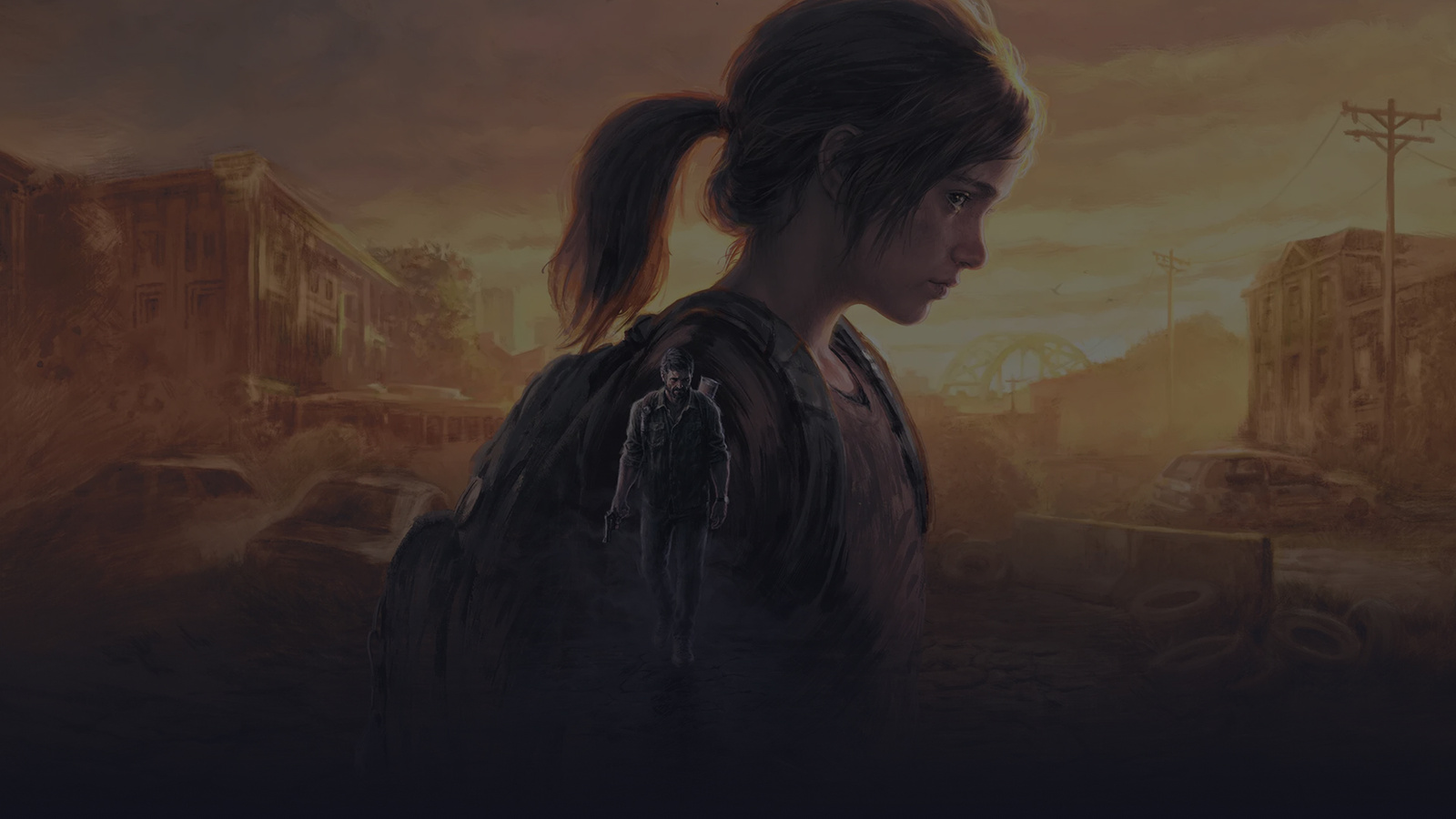
When I first picked up The Last of Us, I had no idea I was about to embark on one of the most emotionally devastating journeys in gaming history. Naughty Dog’s masterpiece isn’t just a game—it’s an experience that stays with you long after the credits roll. This comprehensive walkthrough will guide you through every section of Joel and Ellie’s harrowing journey across a fungal-infected America, while helping you survive the dangers that lurk around every corner.
All Missions in The Last of Us Remastered
The main story of The Last of Us Remastered is divided into twelve core missions that follow Joel and Ellie’s journey from the outbreak to the final decision in Salt Lake City. The story begins with Home Town, the prologue chapter that shows the collapse of society and sets the emotional foundation of the game.
After the time jump, the narrative continues in Quarantine Zone, where Joel survives inside the militarized Boston quarantine area and first meets Ellie. Leaving the city leads directly into Outskirts, introducing the infected and establishing the game’s stealth-focused survival mechanics.
The journey then moves into Bill’s Town, a chapter focused on traps, crafting, and searching for a working vehicle. Shortly after, Joel and Ellie are ambushed in Pittsburgh, where human enemies become just as dangerous as the infected. Escaping the city leads to Suburbs, which includes the sewer sections and one of the game’s most tragic story moments.
In the autumn chapters, the story shifts toward family and difficult choices in Tommy’s Dam, followed by University, where hope for the Fireflies begins to fade and the narrative takes a darker turn.
Winter arrives during Lakeside Resort, a chapter that places Ellie in the spotlight and delivers some of the most intense and disturbing sequences in the game. As spring approaches, Joel and Ellie finally reach Salt Lake City in Bus Depot, leading directly into Firefly Lab, the final mission where the game’s central moral conflict is resolved.
The story concludes with Jackson, a short epilogue chapter that brings Joel and Ellie’s journey to a quiet but deeply unsettling end.
Understanding The Last of Us: Game Overview and Review
The Last of Us stands as a landmark achievement in video game storytelling. Set twenty years after a cordyceps fungal outbreak has decimated civilization, you play as Joel, a hardened smuggler tasked with escorting a fourteen-year-old girl named Ellie across the United States. What begins as a simple job evolves into something far more profound—a story about love, loss, survival, and the lengths we go to protect those we care about.
Why The Last of Us Remains a Masterpiece
Having played through this game multiple times, I can confidently say that The Last of Us excels in every department. The graphics, even years after its original 2013 release, remain stunning. The fungal-infected environments tell their own stories—nature reclaiming what humanity lost, beauty emerging from decay. The motion capture performances by Troy Baker and Ashley Johnson bring Joel and Ellie to life with such authenticity that you forget you’re watching digital characters.
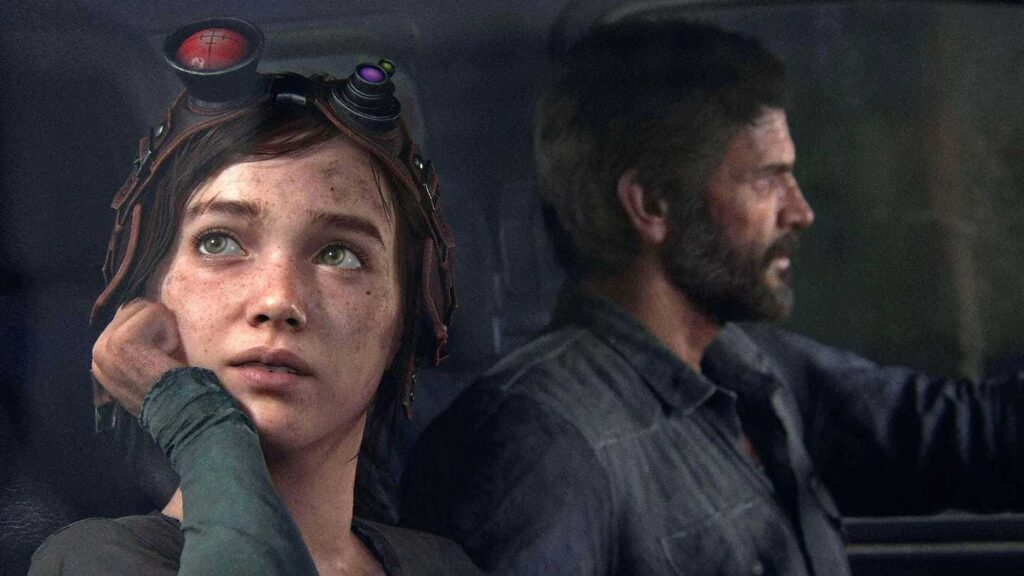
The gameplay perfectly balances stealth, action, and resource management. Every bullet matters. Every health kit is precious. This scarcity creates tension that never lets up, making every encounter feel significant. The AI companions are remarkably intelligent, and Ellie’s commentary throughout the journey adds depth and humanity to even the quietest moments.
The real genius lies in how the game makes you complicit in Joel’s choices. By the end, you’ll understand why he does what he does, even if you don’t agree with it. That moral ambiguity is rare in gaming and makes The Last of Us unforgettable.
Technical Requirements: Can Your System Handle It?
Before diving into the walkthrough, let’s ensure your system can run the game smoothly. The Last of Us is available on multiple platforms, each with specific requirements.
Minimum System Requirements (PC – Part I)
- Operating System: Windows 10 (64-bit)
- Processor: AMD Ryzen 5 1500X / Intel Core i7-4770K
- Memory: 16 GB RAM
- Graphics: AMD Radeon RX 470 (4 GB) / NVIDIA GeForce GTX 960 (4 GB)
- DirectX: Version 12
- Storage: 100 GB available space
Recommended System Requirements (PC – Part I)
- Operating System: Windows 10 (64-bit)
- Processor: AMD Ryzen 5 3600X / Intel Core i7-8700
- Memory: 16 GB RAM
- Graphics: AMD Radeon RX 5700 XT (8 GB) / NVIDIA GeForce RTX 2070 Super (8 GB)
- DirectX: Version 12
- Storage: 100 GB available space (SSD recommended)
Console Requirements
For PlayStation users, The Last of Us runs on PS3, PS4, and PS5, with the remastered and remake versions offering enhanced visuals and smoother performance. The PS5 version runs at 60fps with stunning 4K visuals, making it the definitive console experience.
The Quarantine Zone: Beginning Your Journey
The game opens with one of the most emotionally brutal prologues in gaming. You’ll play as Joel’s daughter Sarah during the initial outbreak in 2013. This section serves as both a tutorial and an emotional gut-punch that sets the tone for everything that follows.
Twenty years later, Joel lives in the Boston Quarantine Zone, a militarized safe haven where survivors scrape by under martial law. Your first missions involve navigating this oppressive environment while working for the Fireflies, a resistance group fighting against the authoritarian government.
Essential Early Game Tips
When starting out, I recommend focusing on resource conservation. Don’t waste ammunition on every enemy—stealth is your friend. Use bottles and bricks strategically to distract infected and human enemies alike. These throwable objects are infinite, so use them liberally to create openings for stealth takedowns.
Exploration is crucial. The game rewards thorough scavenging with crafting materials, ammunition, and supplements for upgrading Joel’s abilities. Check every drawer, cabinet, and corpse. Those extra supplies might mean the difference between life and death in later encounters.
The Outskirts: Escaping Boston
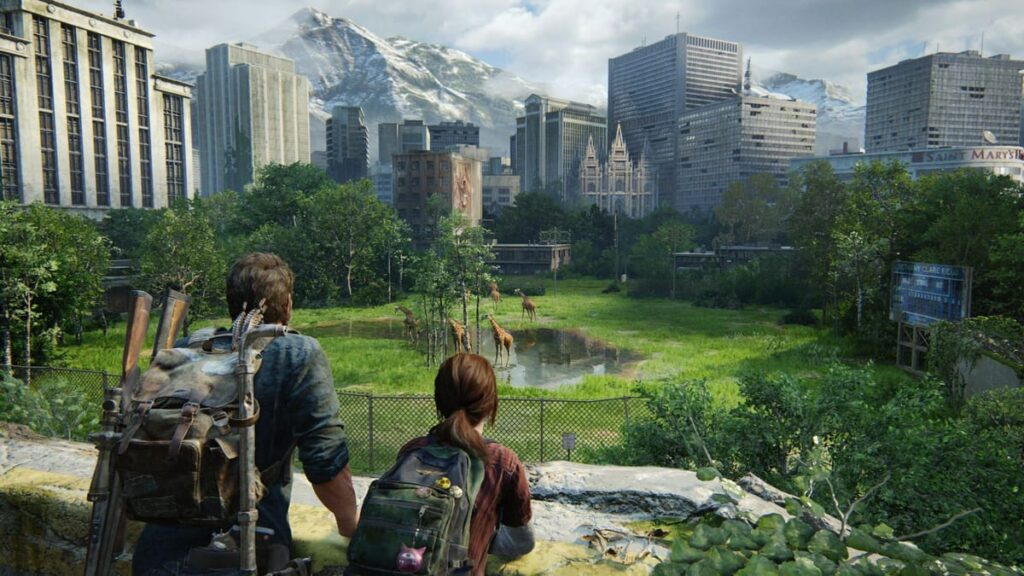
After the Quarantine Zone missions establish the setting and your relationship with Tess, you’ll venture into the ruins of Boston. This section introduces you to the infected—the Runners, Clickers, and Bloaters that make The Last of Us uniquely terrifying.
Dealing with the Infected
Runners are recently infected humans who can still see and move quickly. They attack in groups and can overwhelm you if you’re not careful. Stealth kills work well, but be aware of their peripheral vision.
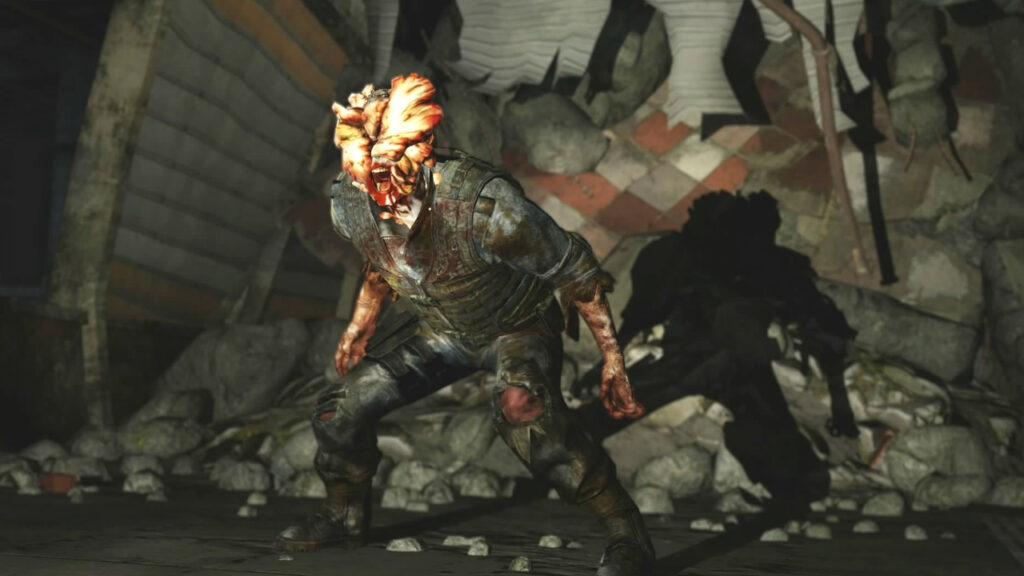
Clickers are my personal nightmare fuel. These blind, echolocating monsters kill you instantly in close combat. Listen for their distinctive clicking sounds and give them wide berth. If you must fight them, use firearms or crafted weapons like Molotov cocktails. Never attempt a frontal melee attack unless you enjoy watching Joel’s brutal death animation repeatedly.
The Museum and Capitol Building
These locations offer some of the most atmospheric exploration in the game. The Museum section teaches you about environmental storytelling—every room tells the story of people who didn’t make it. The Capitol Building introduces tense stealth gameplay against both infected and hostile survivors.
When navigating the flooded basement sections, listen carefully for Clicker sounds bouncing off the water. The acoustics here are deliberately disorienting, creating phenomenal tension. I died here more times than I’d like to admit on my first playthrough.
Bill’s Town: Crafting and Combat Refinement
Bill’s town marks a significant shift in gameplay complexity. Here you’ll learn advanced crafting, unlock new weapons, and face more challenging combat scenarios. Bill himself is a fascinating character—paranoid, capable, and surprisingly vulnerable.
Crafting System Deep Dive
The crafting system in The Last of Us is elegantly simple yet deeply strategic. You can create health kits, Molotov cocktails, nail bombs, smoke bombs, and shiv upgrades. Each crafted item uses the same base materials in different combinations, forcing you to make difficult choices.
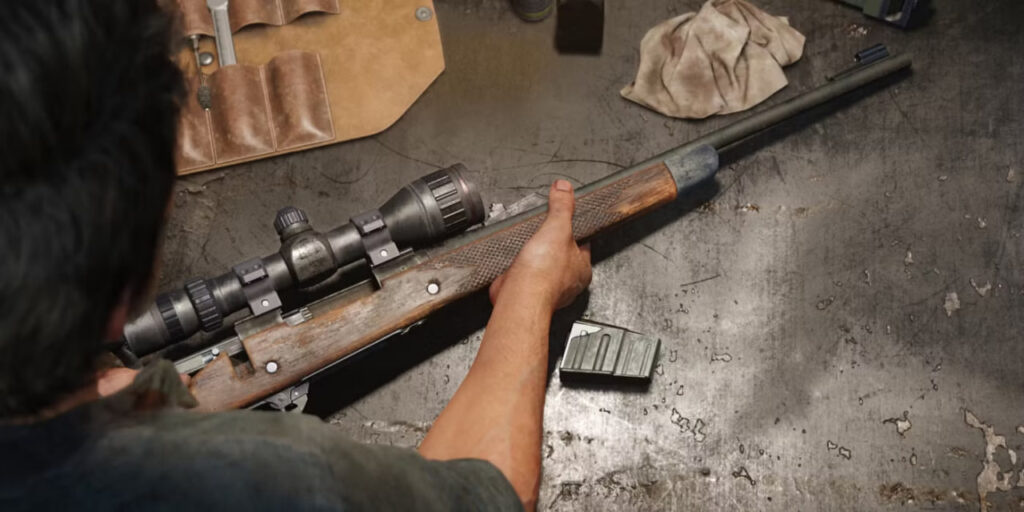
My strategy: prioritize health kits early in each section, then focus on offensive items based on what enemies you’re facing. Against human enemies, smoke bombs create opportunities for stealth kills. Against infected, Molotov cocktails and nail bombs are devastating area-of-effect weapons.
The High School Encounter
The high school section in Bill’s town demonstrates The Last of Us at its best. You’ll navigate dark hallways filled with Clickers while avoiding deadly Bloaters—massive infected that take tremendous punishment. This section teaches patience and careful observation.
Use your listening mode frequently to track enemy positions. Plan your route through each area before committing. Sometimes the best strategy is avoiding combat entirely, slipping past enemies when possible to conserve resources for mandatory fights.
Pittsburgh: Humanity as the True Monster
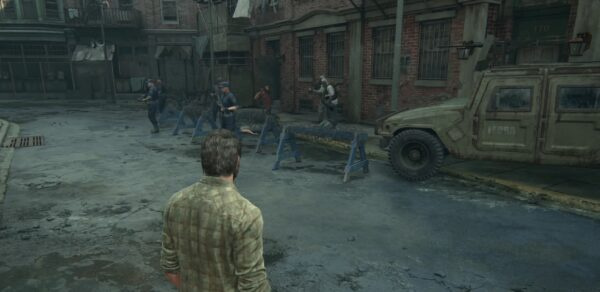
Pittsburgh represents a thematic turning point. While the infected remain dangerous, human enemies become your primary threat. The city is controlled by hostile survivors who shoot first and ask questions never. This section highlights the game’s commentary on how easily civilization crumbles and how humans become monsters when fighting for survival.
Combat Against Human Enemies
Human enemies are intelligent, flanking you and calling out your position to their allies. They take cover, throw Molotov cocktails, and coordinate attacks. Stealth becomes even more critical here.
I found success using a hit-and-run approach: strike from stealth, then relocate before they can converge on your position. Use environmental kills when possible—shooting explosive objects near enemy groups saves ammunition and creates chaos you can exploit.
The Suburbs and Sewers
These connected sections offer diverse gameplay experiences. The suburbs feature vehicle-based exploration and intense firefights. The sewers introduce Ish’s story—one of the game’s most heartbreaking environmental narratives told entirely through notes and environmental details.
Take time to read everything in Ish’s settlement. The story of this community, their hope, and their ultimate fate is devastating and enriches the game’s themes about the impossibility of holding onto civilization in this new world.
The University: False Hope and New Dangers
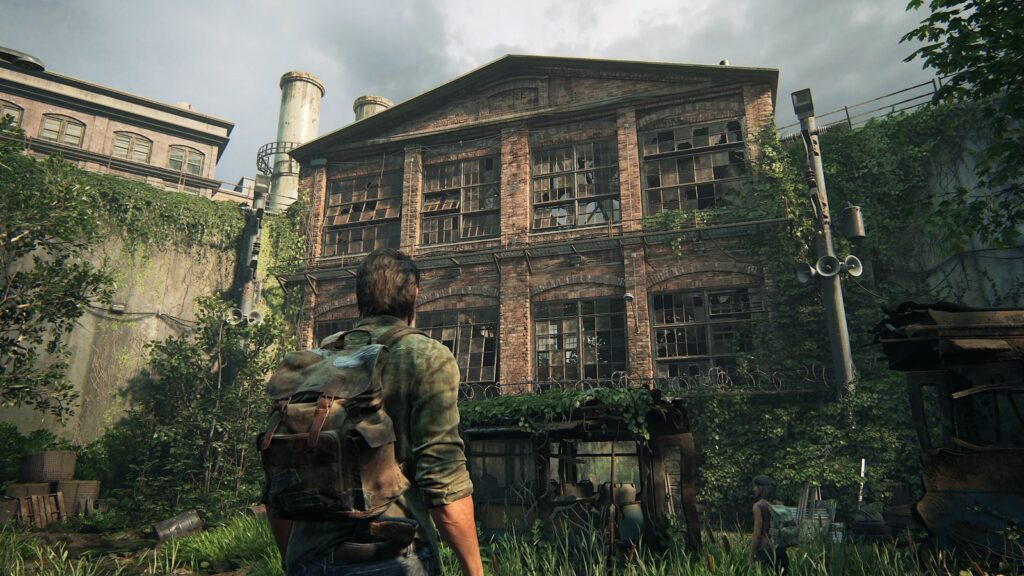
The University of Eastern Colorado represents Joel and Ellie’s hope for a cure. This section features beautiful autumnal visuals—a brief respite from the oppressive urban decay. Of course, nothing goes according to plan.
Surviving the Campus
The university is relatively quiet initially, but infected lurk in the dormitories and science buildings. The real danger comes when you encounter hostile survivors who’ve made the campus their territory. The fight in the dining hall is particularly challenging—multiple enemies in close quarters with limited cover.
This section culminates in a pivotal moment that shifts the narrative dramatically. Without spoiling specifics, the university represents the last time Joel can maintain emotional distance from his mission. What happens here forces both characters to confront what they mean to each other.
Lakeside Resort: Role Reversal
This is where The Last of Us shows its narrative brilliance. I won’t spoil the specifics, but you’ll experience a significant gameplay shift that provides fresh perspective on the story. The lakeside resort section is shorter but emotionally impactful, introducing new characters who complicate the moral landscape.
Winter: Survival at Its Bleakest
Winter represents the game’s darkest chapters, both literally and thematically. The snowy environment creates new stealth opportunities—tracking enemies through footprints, using the weather for cover. But it also introduces the game’s most unsettling human antagonist.
Playing as Ellie for extended sequences here shows how much she’s grown. She’s capable and resourceful, but still vulnerable in ways that create genuine tension. The stealth sections are some of the most nerve-wracking in the entire game because you feel her fragility compared to Joel’s capabilities.
The Final Chapters: Point of No Return
The game’s closing hours bring Joel and Ellie to Salt Lake City and their destination with the Fireflies. Everything has been building to this moment, but The Last of Us refuses to deliver the ending you might expect from a traditional video game.
The Hospital: Moral Complexity in Gaming
The final playable sequences challenge everything the game has been telling you about redemption, sacrifice, and survival. You’ll make your way through the hospital in what feels like a traditional finale, but the emotional weight is crushing.
Without spoiling the specific choices and actions, I’ll say this: The Last of Us earns its ending. Whether you agree with Joel’s final decisions or not, they’re completely consistent with everything we’ve learned about this broken man trying to protect someone he loves. The game doesn’t ask you to approve—it asks you to understand.
New Game Plus and Additional Content
After completing the story, New Game Plus allows you to replay with all your upgrades and weapons intact. This mode lets you experience the story again while approaching combat differently, trying strategies that weren’t possible during your first resource-starved playthrough.
The Left Behind DLC is essential playing. This prequel story explores Ellie’s relationship with Riley and provides crucial context for her character. It’s shorter than the main game but equally impactful emotionally.
Survival Tips and Strategies
Throughout my multiple playthroughs, I’ve developed strategies that consistently help me survive:
Always have a shiv. These unlock doors containing valuable supplies and allow you to escape Clicker grabs. Prioritize shiv upgrades that increase durability.
Upgrade Joel strategically. I recommend focusing on health and listen mode range first, then weapon sway reduction. These upgrades have the most consistent impact on survival.
Don’t hoard resources. It’s tempting to save that Molotov cocktail for later, but resources respawn between chapters. Use what you have when it helps—dying with full inventory doesn’t benefit anyone.
Learn enemy patterns. Both infected and human enemies have predictable patrol routes. Observation prevents wasteful combat and preserves resources.

The Last of Us: A Final Verdict
Years after my first playthrough, The Last of Us remains one of gaming’s greatest achievements. It proves that video games can tell mature, complex stories that rival any other medium. The gameplay perfectly serves the narrative, creating tension and emotional investment through mechanical systems.
The relationship between Joel and Ellie develops naturally through both scripted moments and emergent gameplay. When Ellie covers you during firefights, it feels earned. When she tells jokes from her pun book during quiet moments, it creates authentic connection. By the end, you understand why these characters would do anything for each other.
Is it perfect? No game is. Some combat encounters feel slightly repetitive, and resource scarcity can occasionally frustrate. But these minor issues pale against the game’s overwhelming strengths.
A Journey Worth Taking
The Last of Us isn’t just a game I recommend—it’s a game I believe everyone who plays video games should experience. It represents the medium at its best, combining masterful storytelling, compelling gameplay, and technical excellence into something genuinely special.
This walkthrough should help you navigate the dangers of the post-apocalypse, but don’t let optimization concerns override your first experience. Take your time. Explore. Listen to the optional conversations. Read the notes scattered throughout the world. The Last of Us rewards engagement with layers of meaning and emotional resonance that only deepen with attention.
Joel and Ellie’s journey is brutal, beautiful, and unforgettable. Whether you’re playing for the first time or returning for another playthrough, remember that survival isn’t just about killing infected or managing resources—it’s about holding onto humanity in a world that’s lost its own. That’s what makes The Last of Us a masterpiece, and that’s why this walkthrough aims to help you experience every moment of this extraordinary game.
Endure and survive.



































Comments (1)
Sign In / Sign Up
Sign in to leave a comment.
ВУсап