

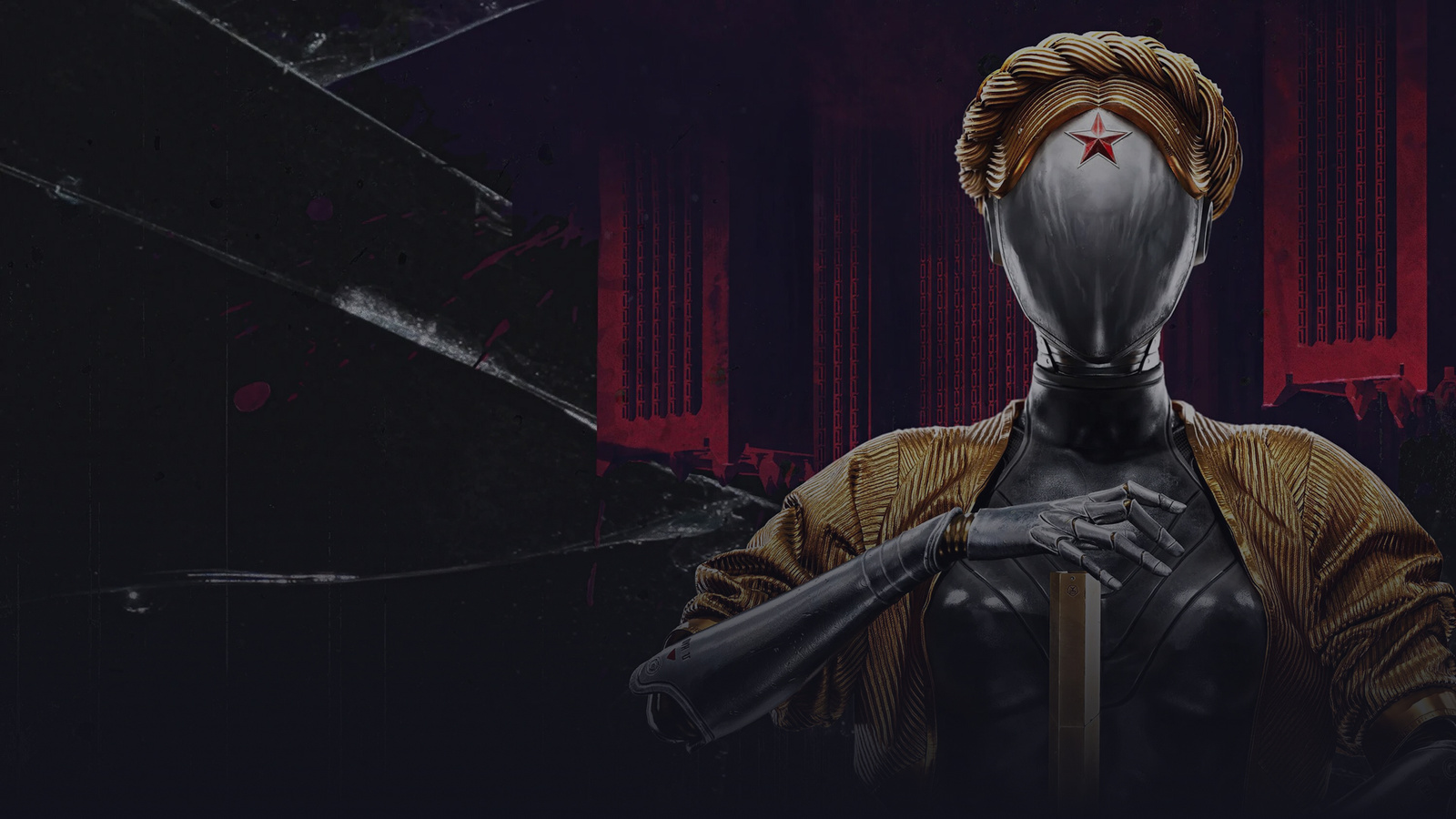
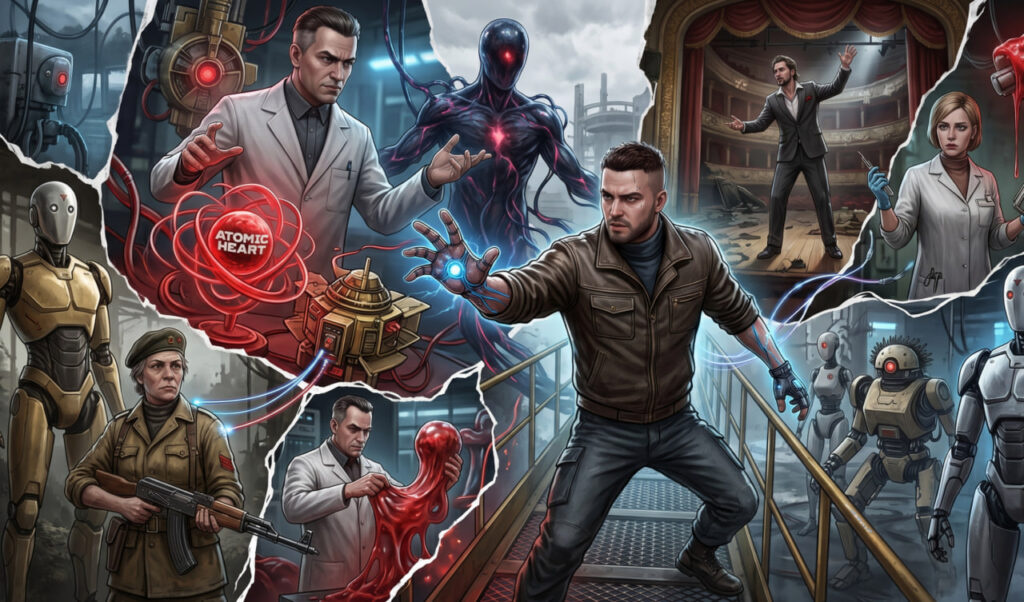
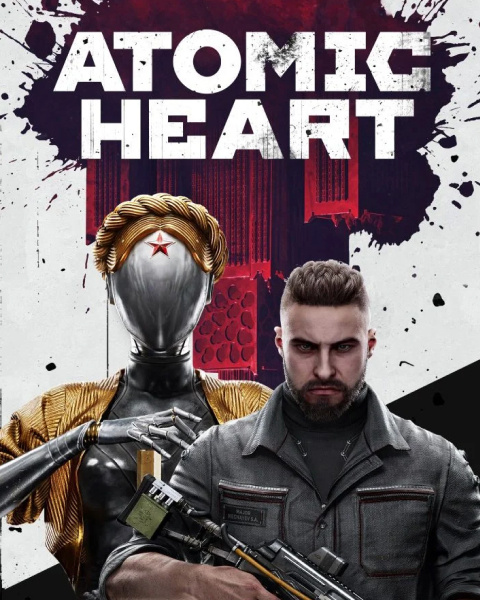
Atomic Heart’s plot doesn’t try to be a complex, mind-bending intellectual mystery. It’s a tightly woven, dynamic action game with its own heroes and villains. Players quickly figure out the balance of power: who’s a friend, who’s an enemy, and who’s responsible for the memes (hello, Baba Zina!).
Surprisingly, the writers managed to weave these simple building blocks into a cohesive story with a proper setup, development, and climax—all without getting bogged down in unnecessary details. In this article, we’ll take a detailed look at the journey the game’s main characters go through, how their arcs unfold, and why the main plot twist in the finale leaves something to be desired.
The Main Characters and Their Transformation
For viewers or players to fully appreciate any work of art, it’s important to understand the characters’ personalities and see the consequences of their decisions. In Atomic Heart, this works perfectly with most of the central characters.
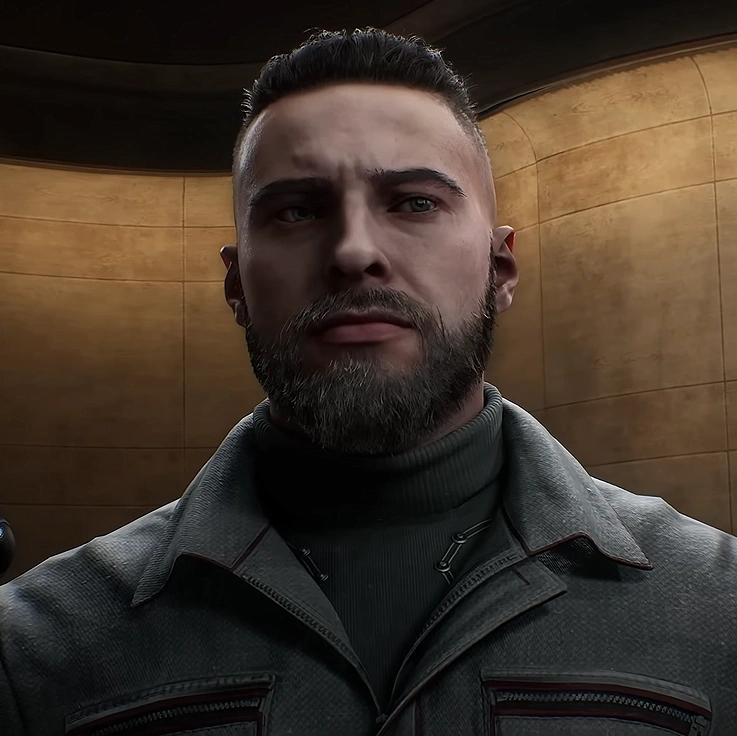
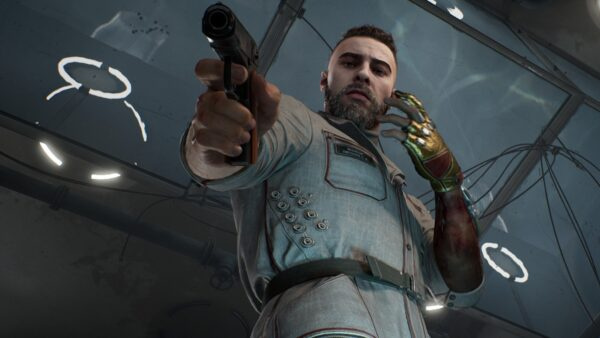
Major P-3 (Sergei Nechaev)
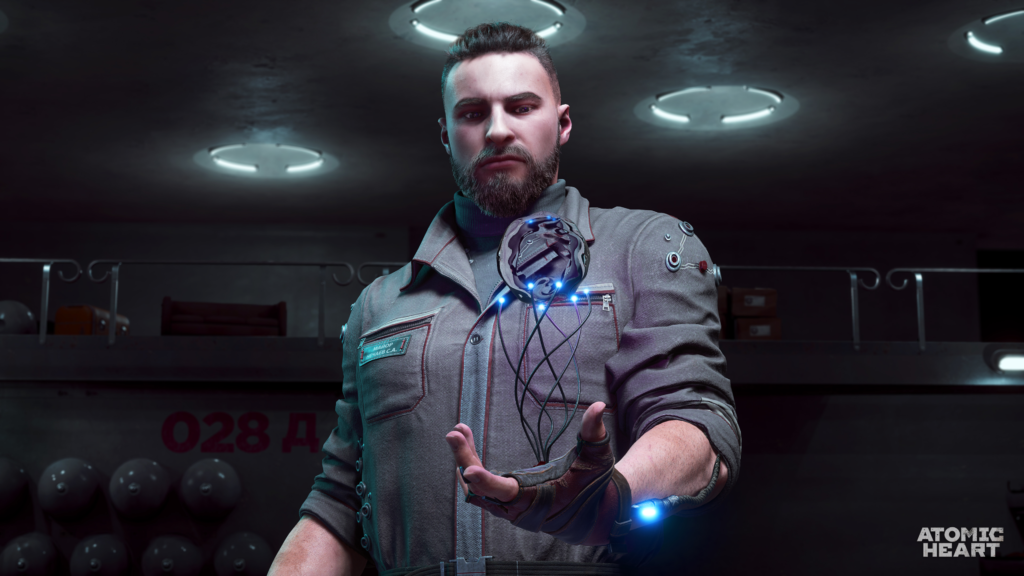
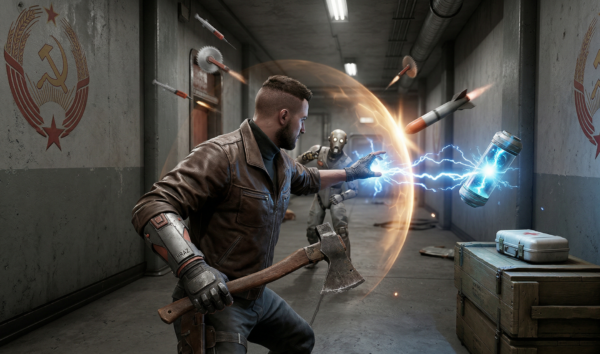
Our protagonist is the first test subject for the experimental neuropolymer module “Voskhod.” In the past, Sergei served in the “Argentum” special forces unit alongside his wife. After suffering a severe injury, his boss, Dmitry Sechenov, saves his life and stabilizes his mental state by erasing his memories and implanting the polymer.
- The beginning of the play: Nechayev appears as a dim-witted, blind follower. He wears a uniform resembling a janitor’s smock, asks no unnecessary questions, and is boundlessly loyal to Sechenov (“I will never let Dmitry Sergeyevich down again”).
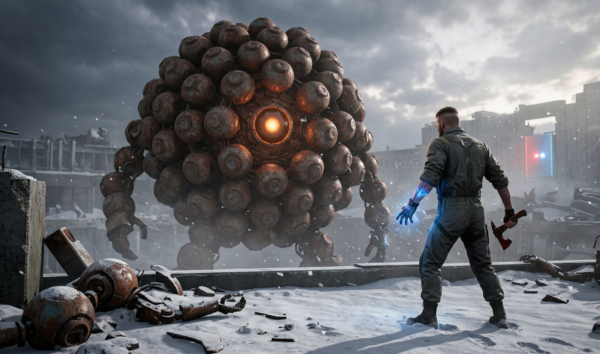
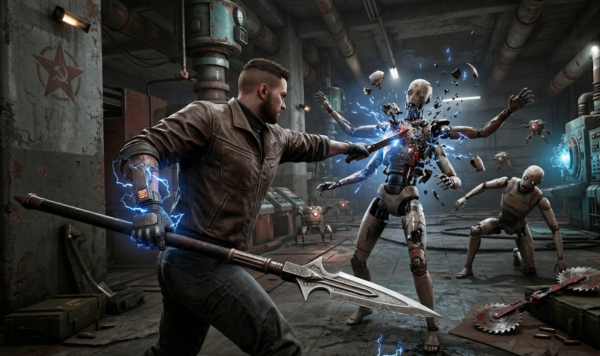
- Development (Hero’s Arc): As the game progresses, P-3 begins to analyze Petrov’s words, study the records on the terminals, communicate with the dead, and piece together the facts.
- Conclusion: The transition from Sechenov’s obedient lapdog to his staunch enemy is handled gradually and skillfully. It’s a pleasure to watch how P-3’s tone and attitude toward the events unfold. This is a classic, excellently crafted hero’s arc of enlightenment.
Academician Dmitry Sechenov
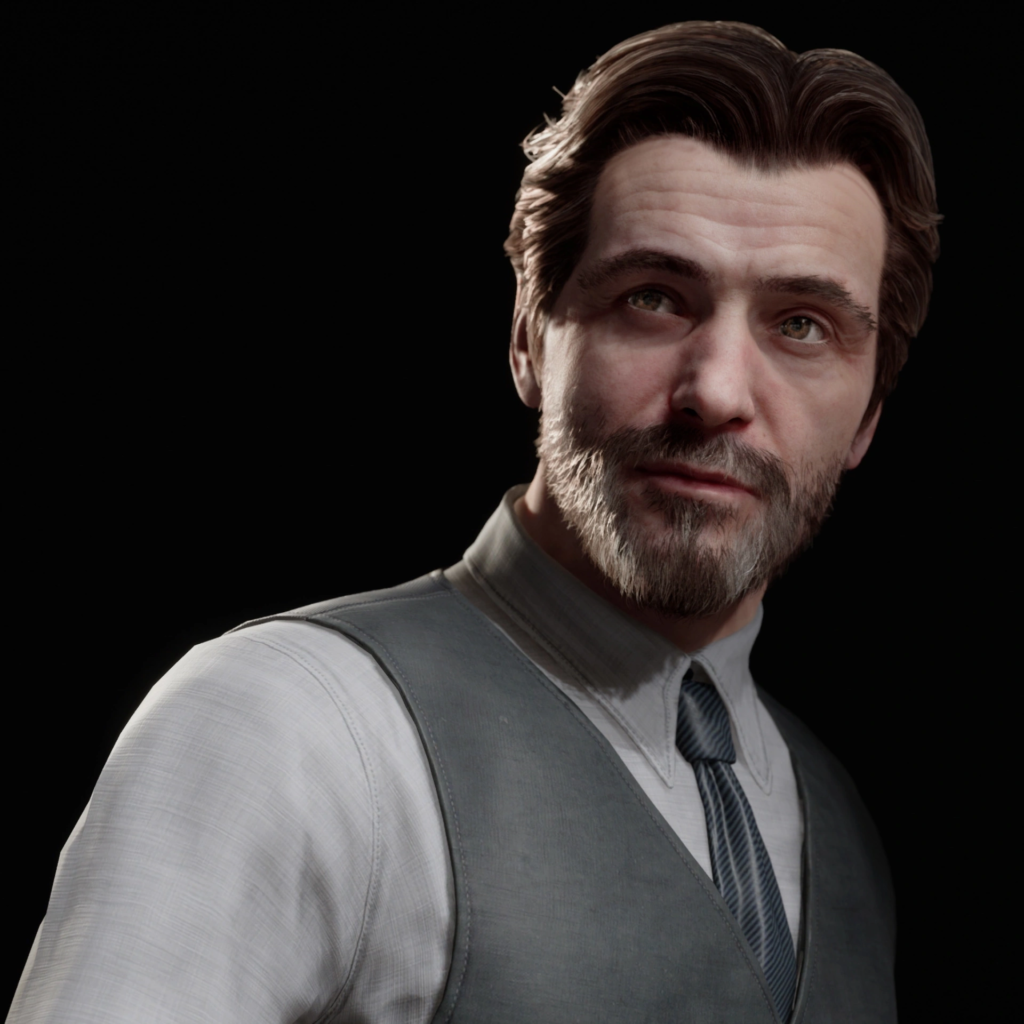
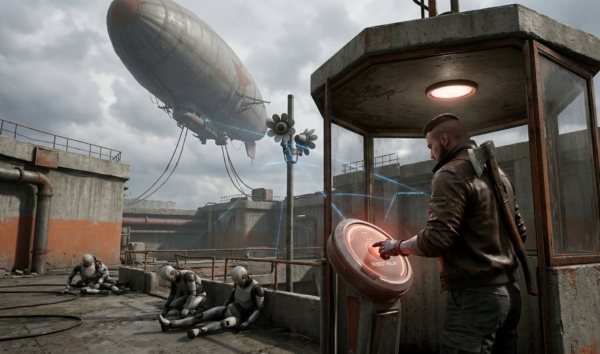
Head of Enterprise 3826, a brilliant scientist and neurosurgeon.
- The game begins: Sechenov looks like a Soviet Tony Stark. He is calm, views problems with detachment, solves global challenges, and shows sincere paternal concern for Major P-3. There is absolutely nothing clichéd or villainous about him.
- Development: Warning signs appear when Molotov’s commission arrives at the Enterprise. Sechenov matter-of-factly and cold-bloodedly orders the “disposal of the dead body” of a party official to cover up traces of the accident.
- Conclusion: At the climax, his true plan is revealed—the “Atomic Heart” project. Sechenov intends to take over the United States and the entire world by controlling the minds and wills of all people through universal polymerization. The villain’s rise to power is portrayed magnificently.
Minor characters: The Living World of Enterprise 3826
The game’s world isn’t two-dimensional; every minor character has their own motives and skeletons in the closet.
- Viktor Petrov: One of the best engineers and the chief traitor who switched the robots to combat mode. He hides the truth about the massive casualties among the staff from his girlfriend. Petrov suffers from mental health issues and is obsessed with theatricality, so he decides to end his life on a theater stage, feeling no remorse for his actions but suffering from unrequited love.
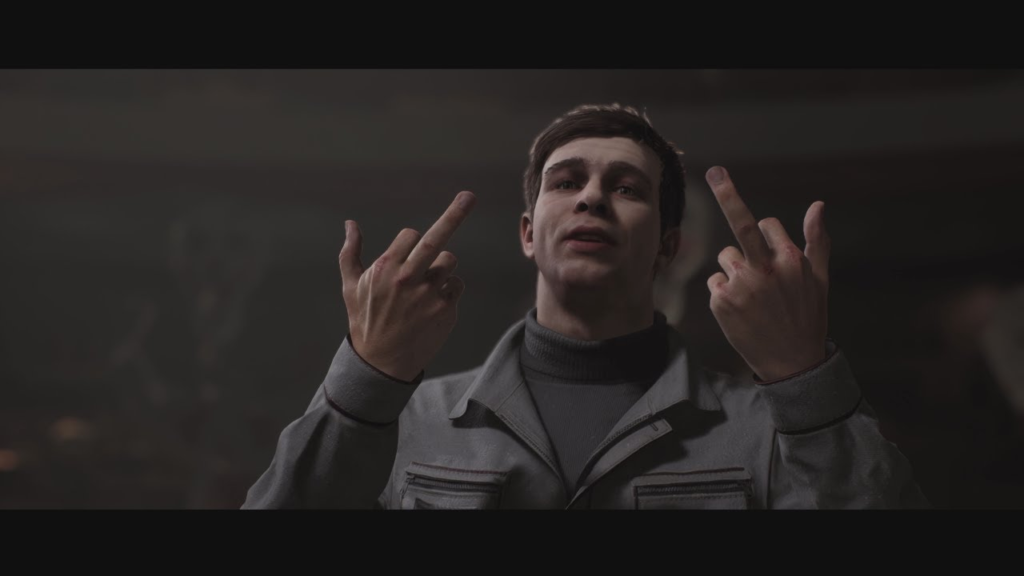
- Larisa Filatova: A neurosurgeon and Petrov’s girlfriend. Her arc follows the path of a scientist fanatically devoted to a scientific idea, but who ultimately becomes completely disillusioned with it. She was initially aware of the deaths of volunteers during the polymer trials, but only decided to rebel at the very end, revealing the truth about Nechaev’s past to him.
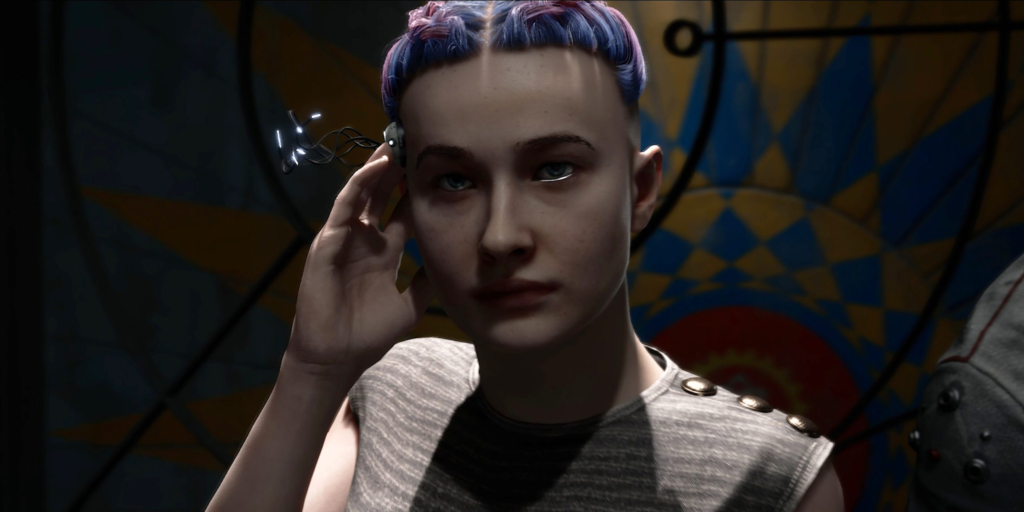
- Michael Stockhausen: Sechenov’s Right-Hand Man. At first, he seems like a downtrodden “number six” who moves around hunched over. But as soon as power falls into his hands (control of the red polymer used to absorb Petrov’s brain), his posture and smirk change instantly. The chaos around him gives people like him an intoxicating sense of control.
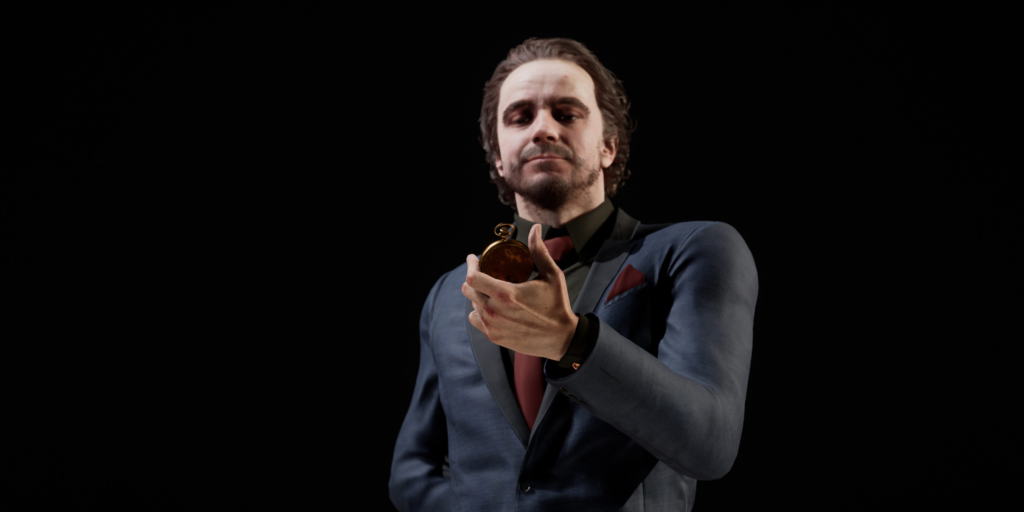
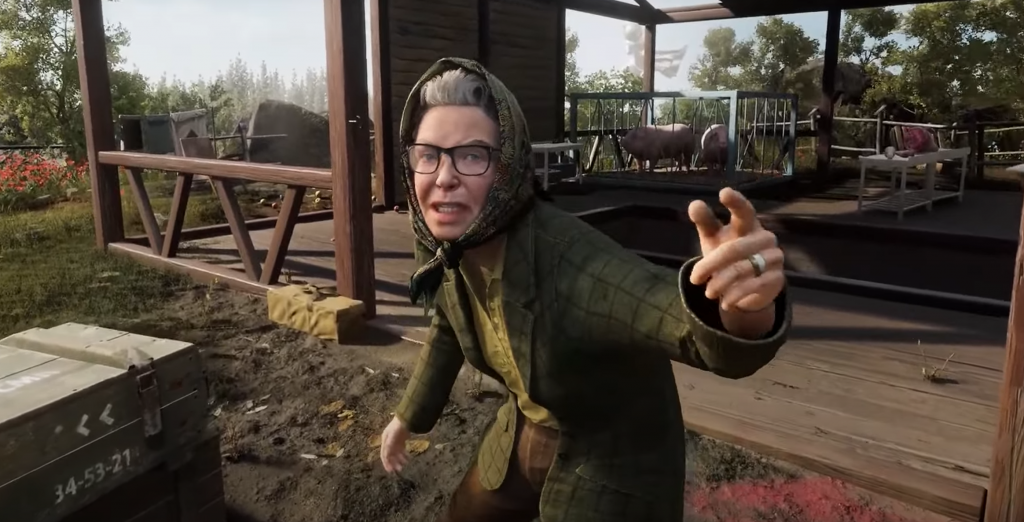
- Baba Zina (Zinaida Muravyova): She is by no means just a comical meme character. She is a former communications officer capable of intercepting government channels. Toward the end, we learn the main secret: she is Nechaev’s mother-in-law (the mother of his late wife Ekaterina), who fiercely hates Sechenov and turns P-3 against him.
KHRAS (Khariton Zakharov) and the Problem of the Game’s Endgame
All of the archetypes listed above, though clichéd, work flawlessly. The player enjoys being immersed in the story. But Atomic Heart’s ending undermines this well-crafted structure because the writers tried too hard to surprise the player.
The Evolution of HR
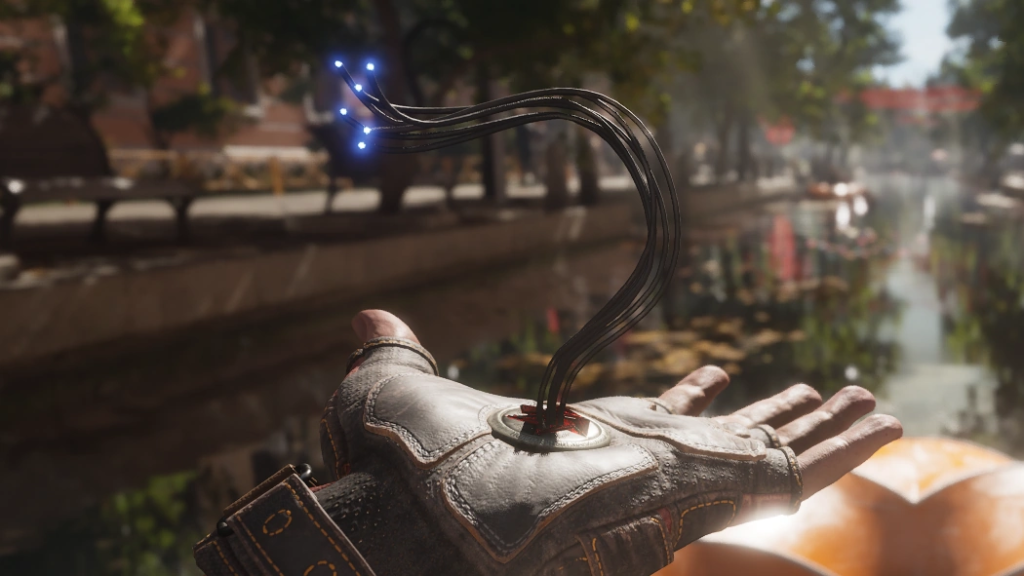
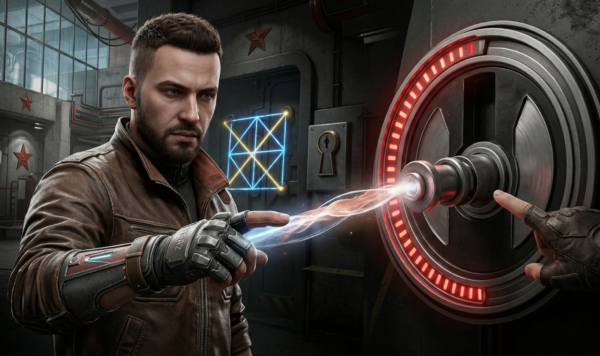
KHRAS (Khariton Radenovich Zakharov) — your talking neural glove.
- Assistant: At first, it’s the perfect partner, a radar, and a source of lore (similar to the visor in Horizon Zero Dawn).
- Mentor: Later, KHRAS reveals that he is the creator of Enterprise 3826 and the inventor of the polymer. He persuades Nechaev to get rid of the robot control rings, revealing his hidden motive. We learn that he voluntarily gave up his physical body, becoming a polymer mass. At this point, the player realizes his importance and takes pride in their insight.
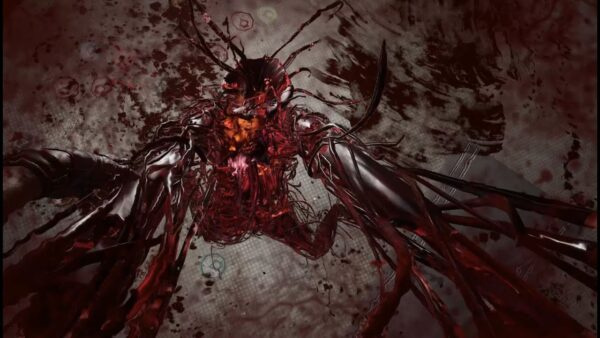
- Main Villain (Plot Twist): In the so-called “bad” (but plot-critical) ending, the Major eliminates Sechenov. And then Khariton suddenly drops all pretense, kills Nechaev, and declares the superiority of polymeric life forms over humanity.
Why isn’t this turn working?
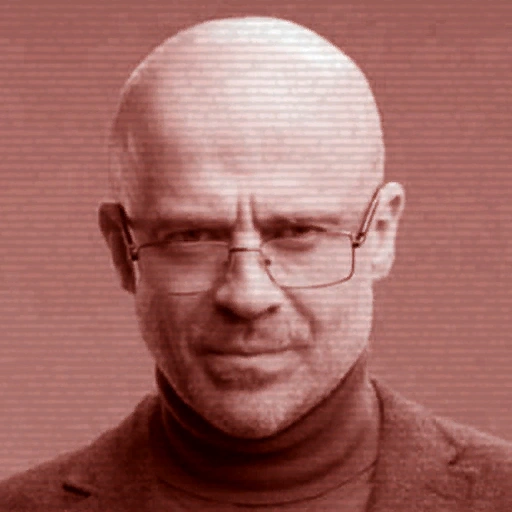
Hariton’s transformation into the ultimate villainous misanthrope happens in the blink of an eye. His entire character arc and personality are thrown out the window for the sake of shock value. This misleads the player rather than surprising them.
You might as well claim that Major Nechaev is Stalin’s survivor, and Baba Zina is a Tereshkova robot. A twist for the sake of a twist breaks the narrative logic. A similar situation occurred in the game Metro 2033, where the Blacks were portrayed as pure evil throughout the game, only to turn out to be the saviors in the end (and the “bad” ending, in which they are destroyed, was considered the canonical one).
Conclusion: The plot would have been much stronger if it had stayed within the framework of the classic “good triumphs over evil.” Sechenov is defeated, Major P-3 and Baba Zina are drinking tea, Filatova’s fate is unknown, and there is still a lot of work to be done at Enterprise 3826—an ideal and logical setup for the second part of the game, without the forced revelations of the manipulator glove.















Comments (0)
Sign In / Sign Up
Sign in to leave a comment.
No comments yet
Be the first one to share your thoughts!