

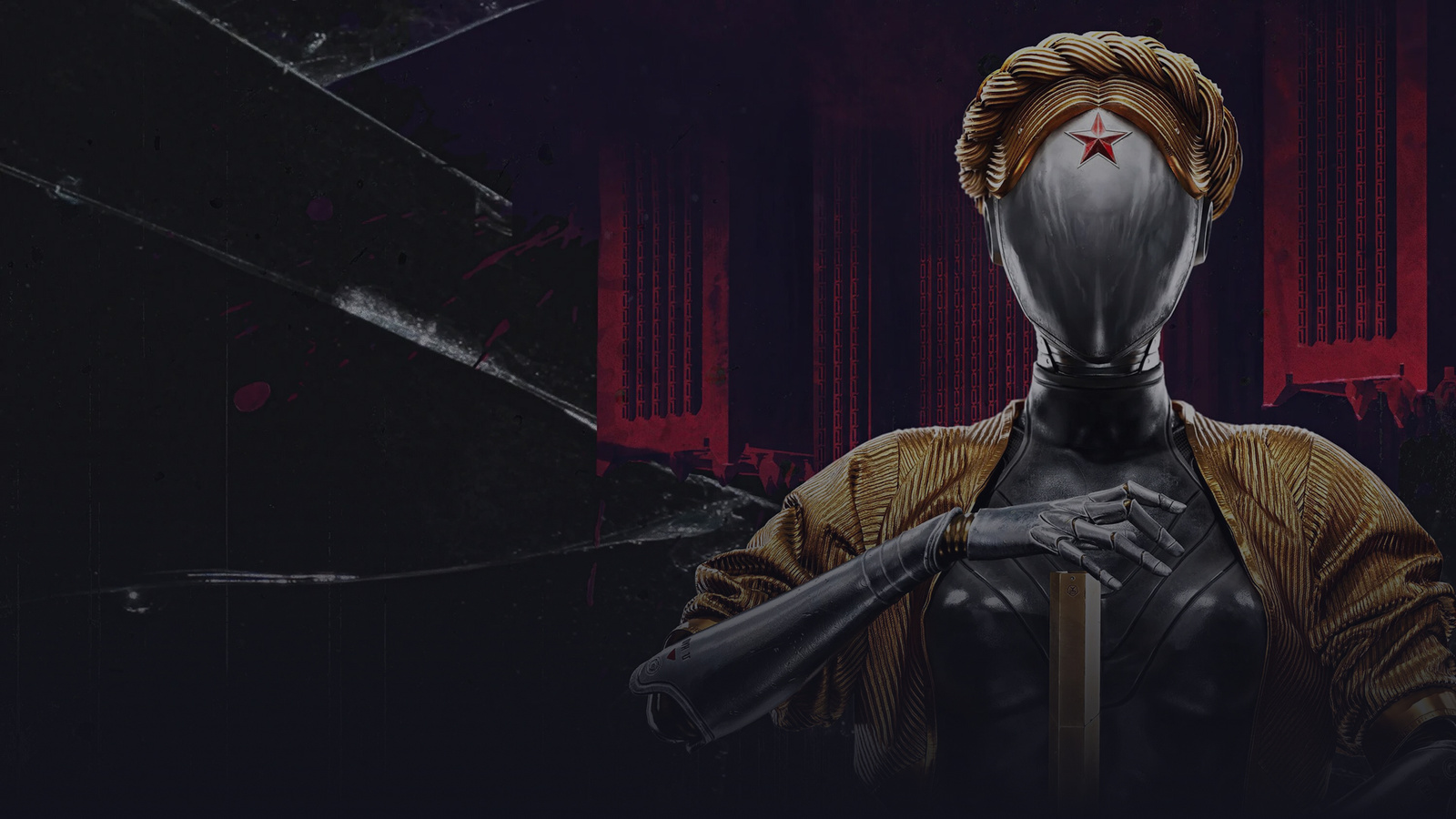
We waited a very long time for Atomic Heart. Too long. Over the years, it became a meme, an object of fan adoration, and a source of endless debate. And now the game is out—and it turned out exactly as expected: uneven, crazy, sometimes brilliant, sometimes annoying. In short, alive.
A world worth living in (and fearing)
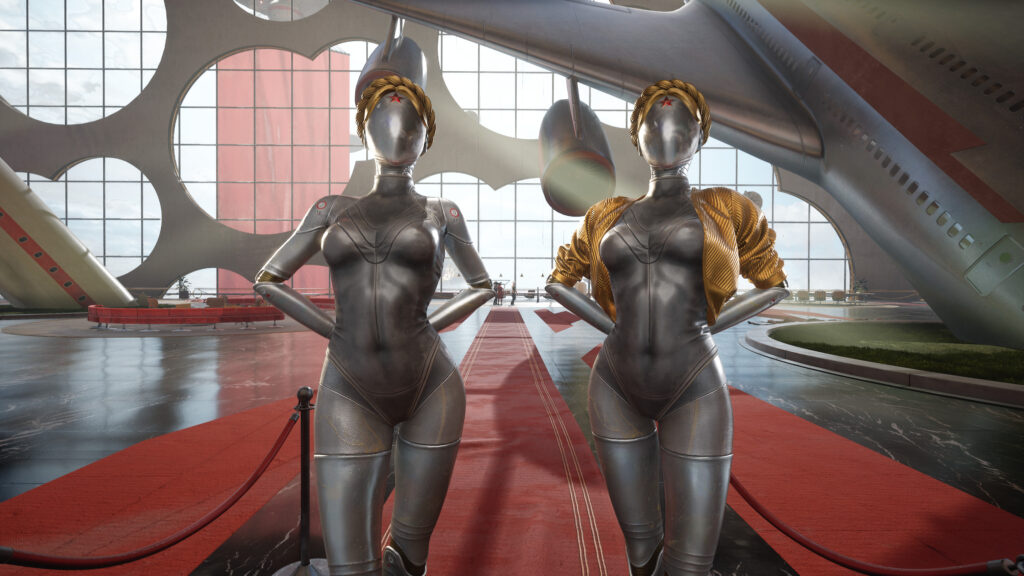
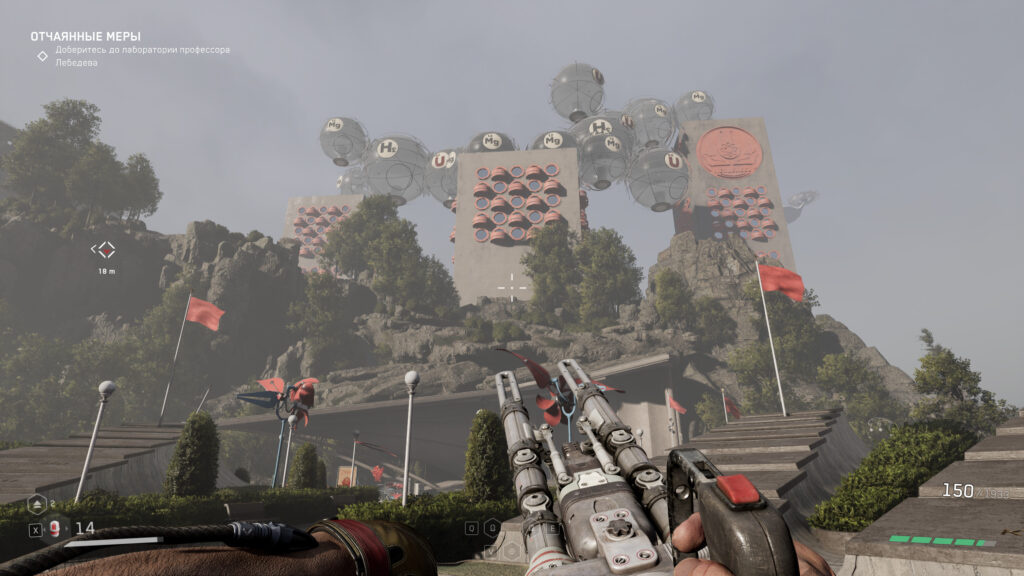
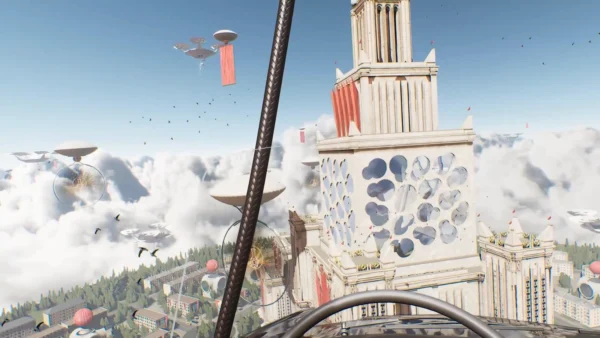
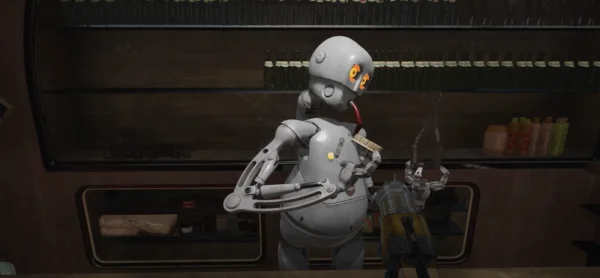
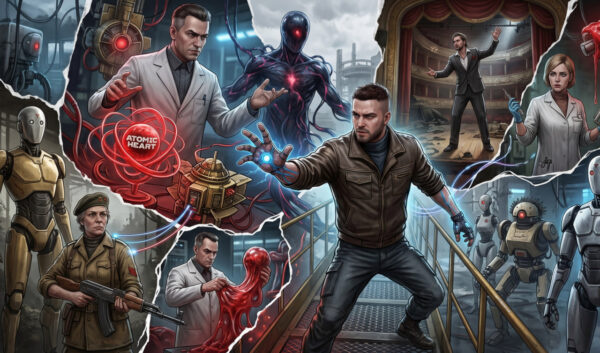
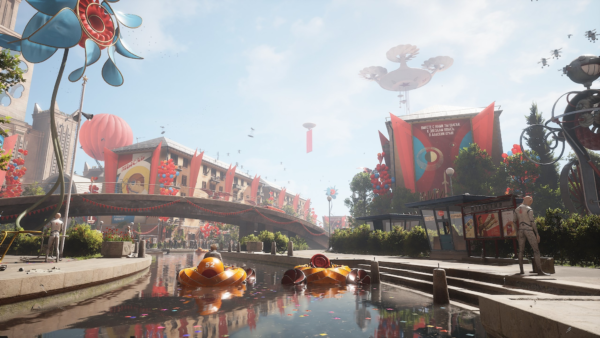
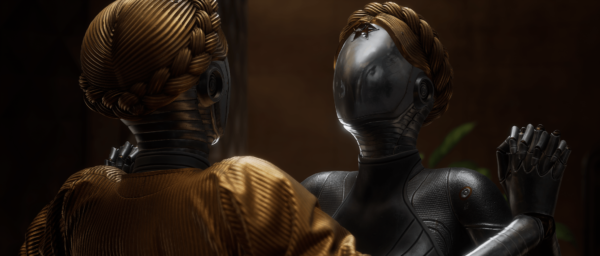
The most important thing to know about Atomic Heart is that it’s a game about atmosphere. It’s set in an alternate 1955 USSR, where Soviet scientists have developed a neuropolymer that connects all robots into a single network. Object 3826 is a closed scientific paradise where thousands of people live. Technology here has advanced far ahead: robots do everything for people, drones fly in the air, and every Soviet citizen believes in a bright future.
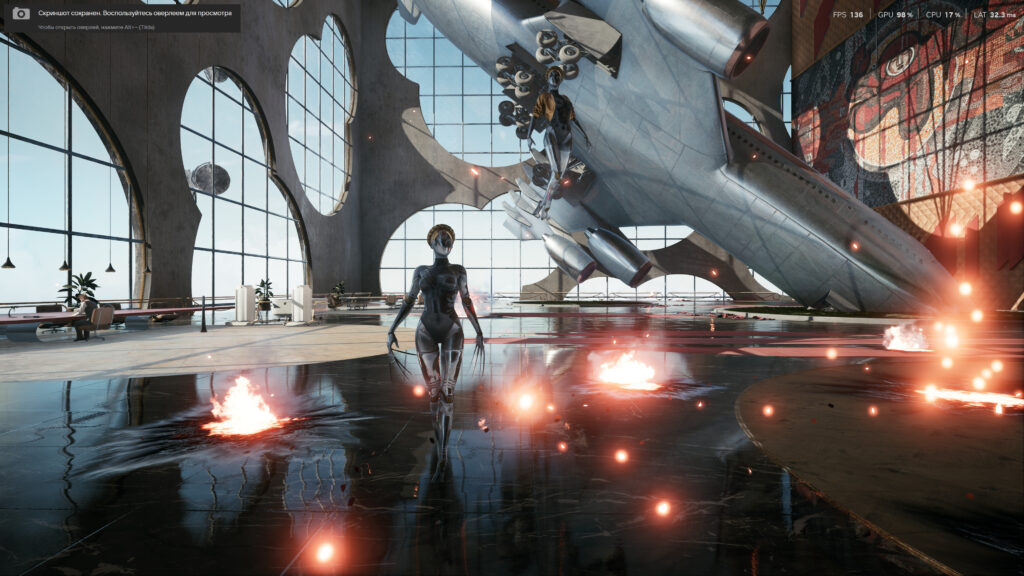
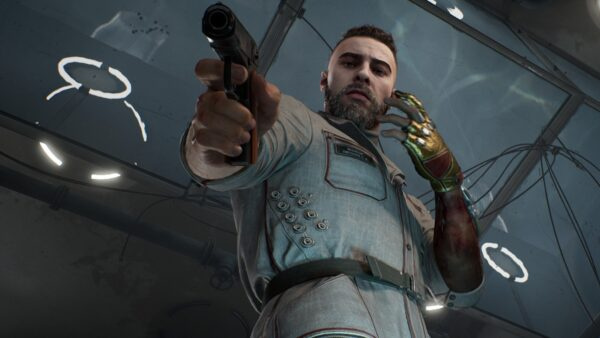
And then, in a single day, everything falls apart. Robots start killing people. You play as Major Nechaev, nicknamed “P-3” — a rough, cynical military man who is thrown into the center of the chaos with one task: to figure out what went wrong.
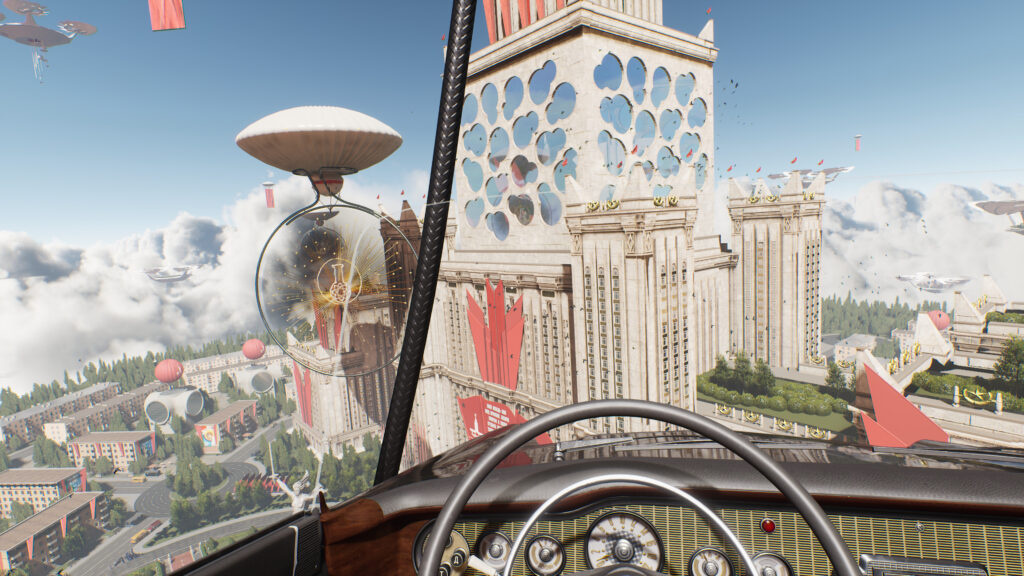
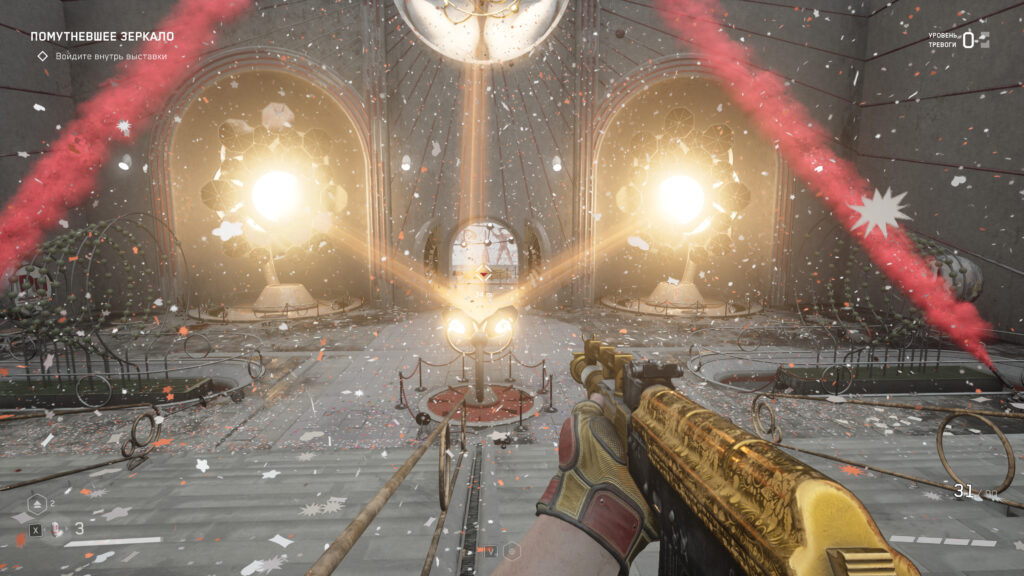
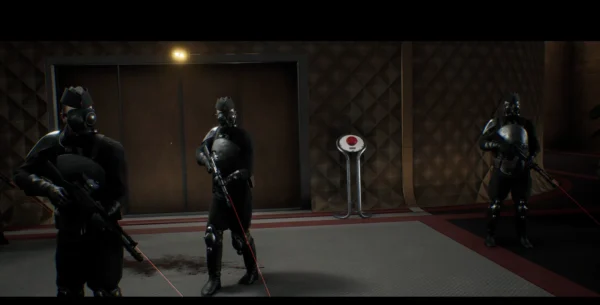
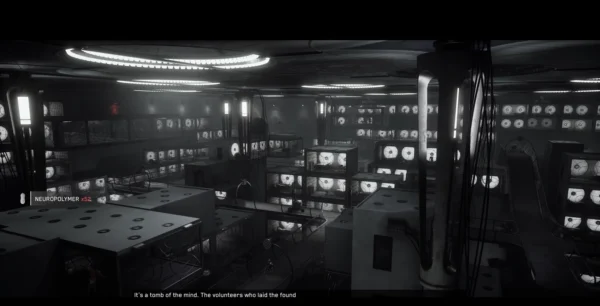
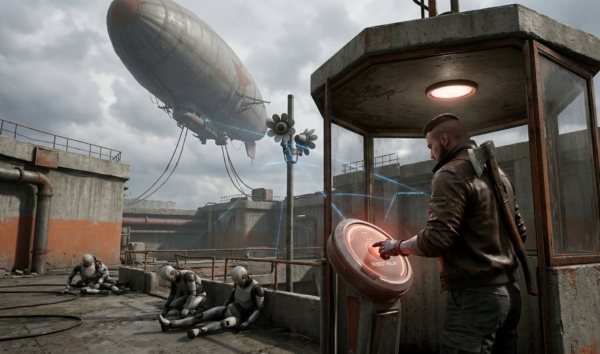
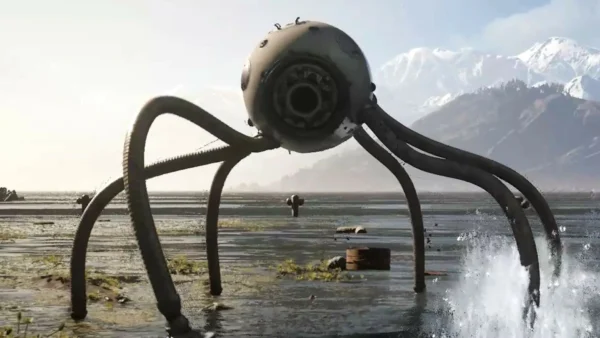
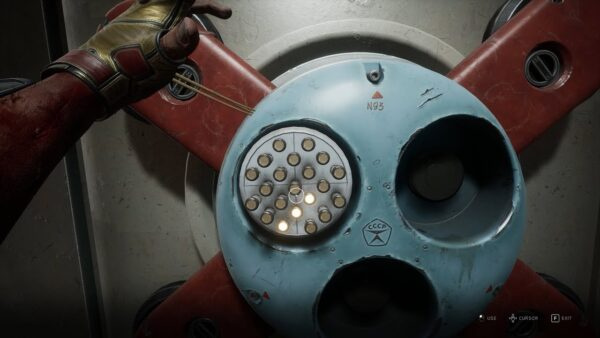
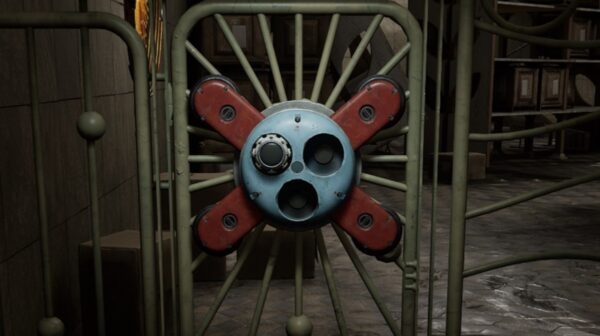
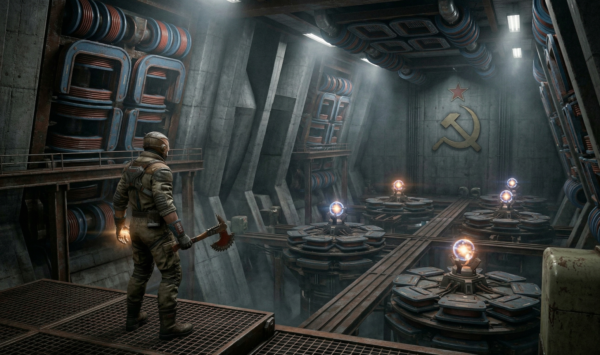
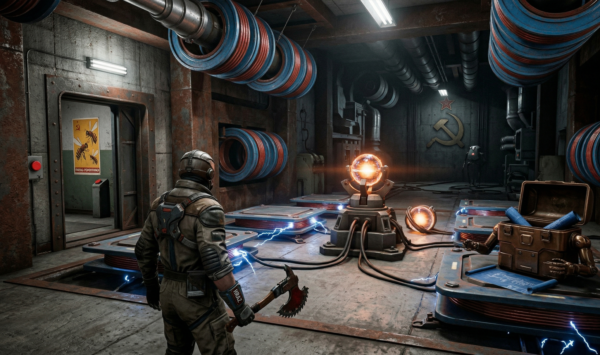
Visually, the game is simply magnificent. Huge Soviet pavilions with mosaics and stucco moldings, bright propaganda posters, retro-futuristic cars — all this creates the feeling of a real living world. The artists at Mundfish were clearly inspired by Soviet constructivism and BioShock at the same time, and they have created something unique. Just walking around this world is a pleasure in itself.
Shooting and fighting are fun, but not without problems
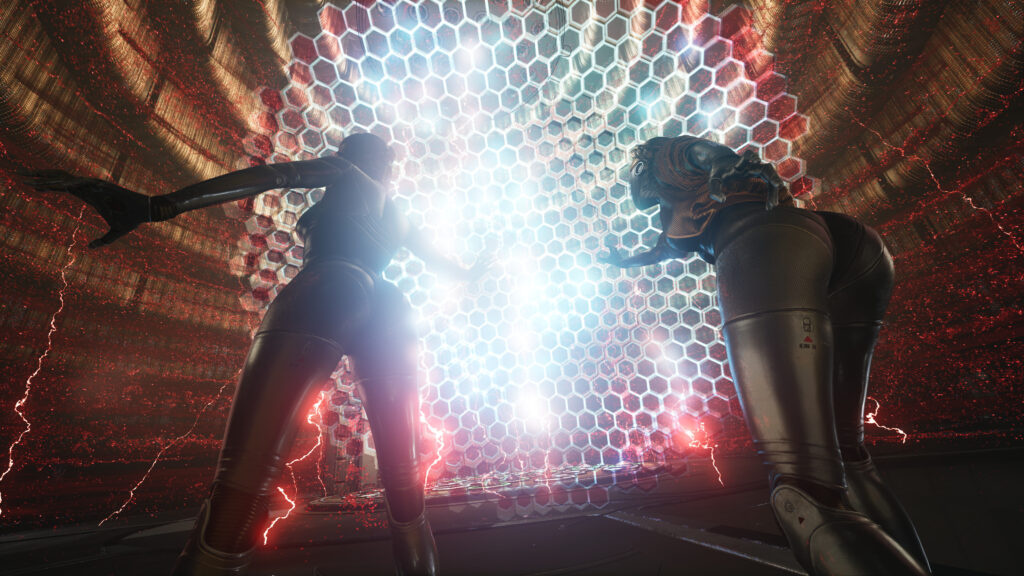
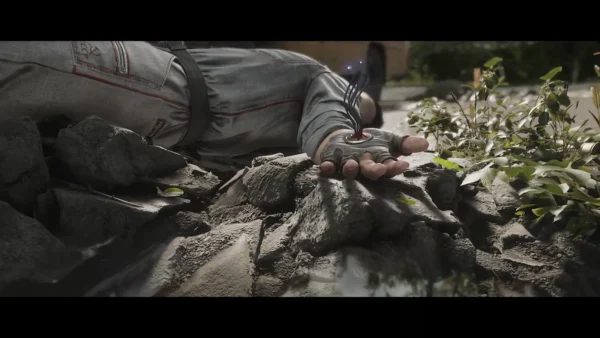
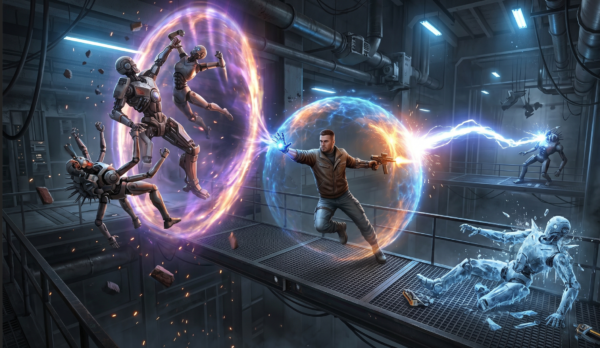
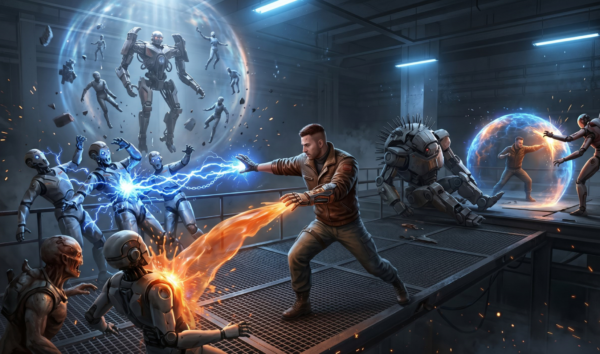
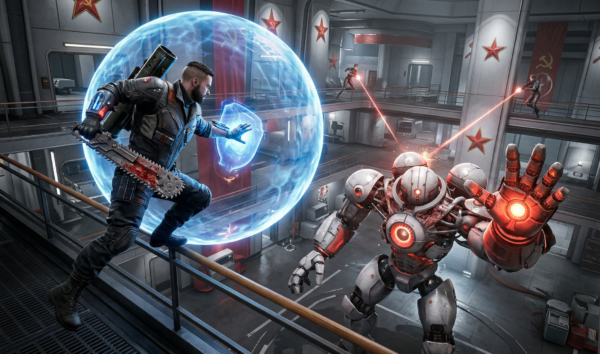
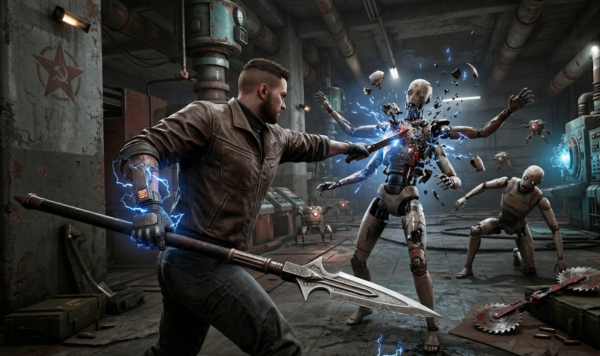
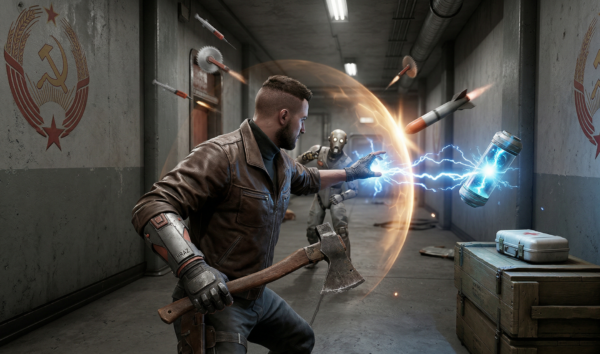
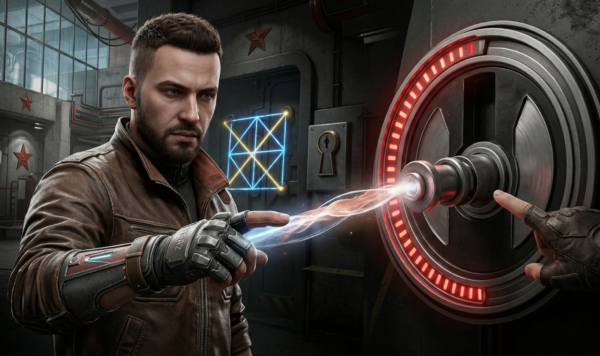
The gameplay is based on a combination of firearms and the abilities of the CHAR-les glove. You can freeze enemies, strike them with electric shocks, telekinetically move objects, and do a bunch of other interesting things. Weapons can be crafted and upgraded — from a simple axe to a plasma cannon.
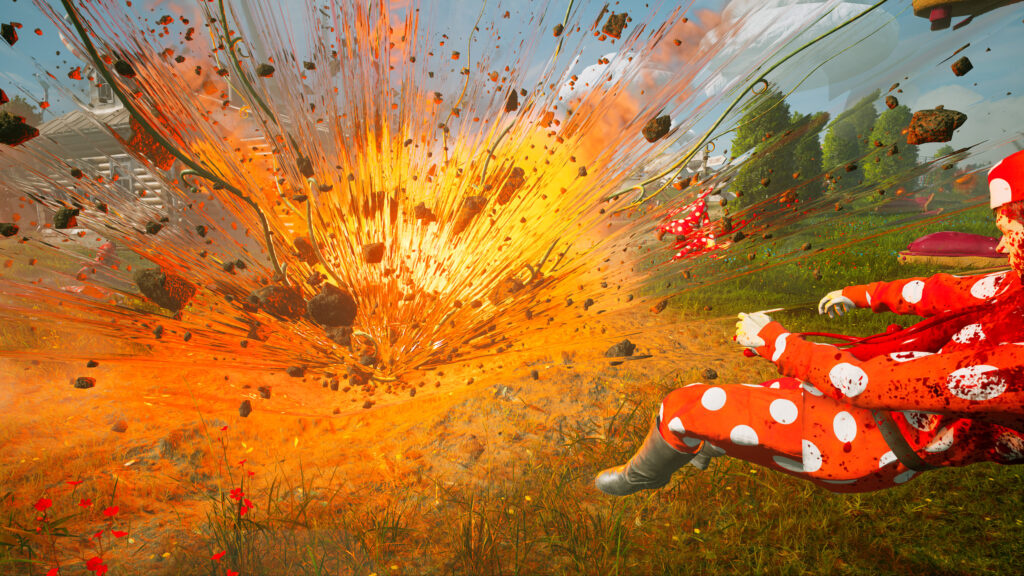
At its best, it feels like free, creative action: you freeze a crowd of robots, hit them on the head, set them on fire, and watch them fly apart. It’s fun. Really fun.
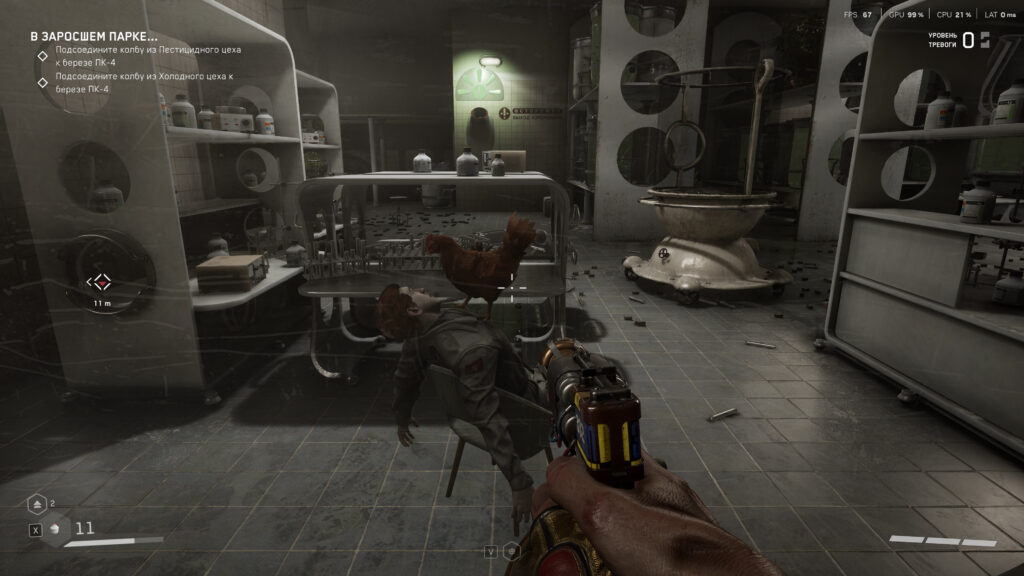
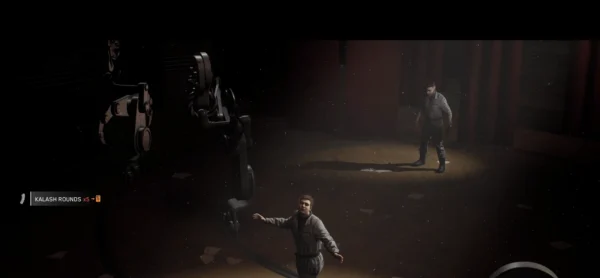
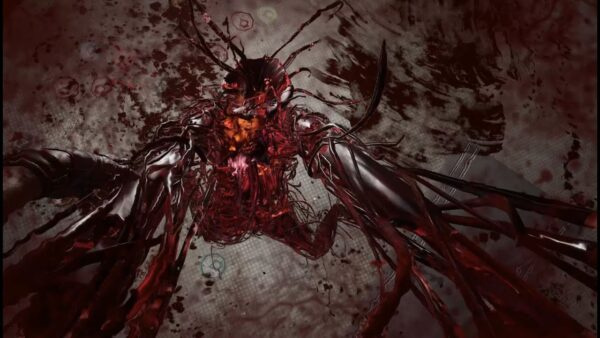
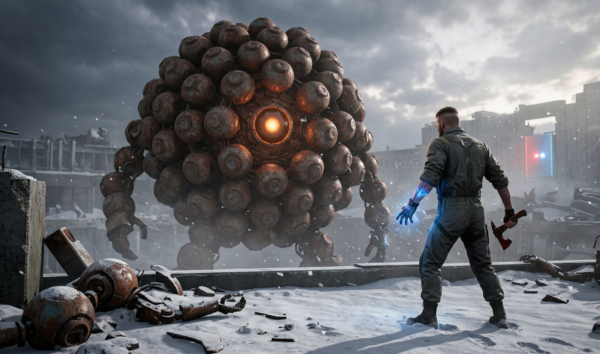
But there are problems too. The balance of difficulty is a strange thing. At the normal level, some bosses feel like a wall that you have to fight through dozens of times. Robots often attack you in crowds, and instead of tactics, you end up with chaotic running around. The open world is beautiful, but it quickly becomes empty — robot bases are repetitive, and there are very few activities.
History: Madness at Maximum Speed
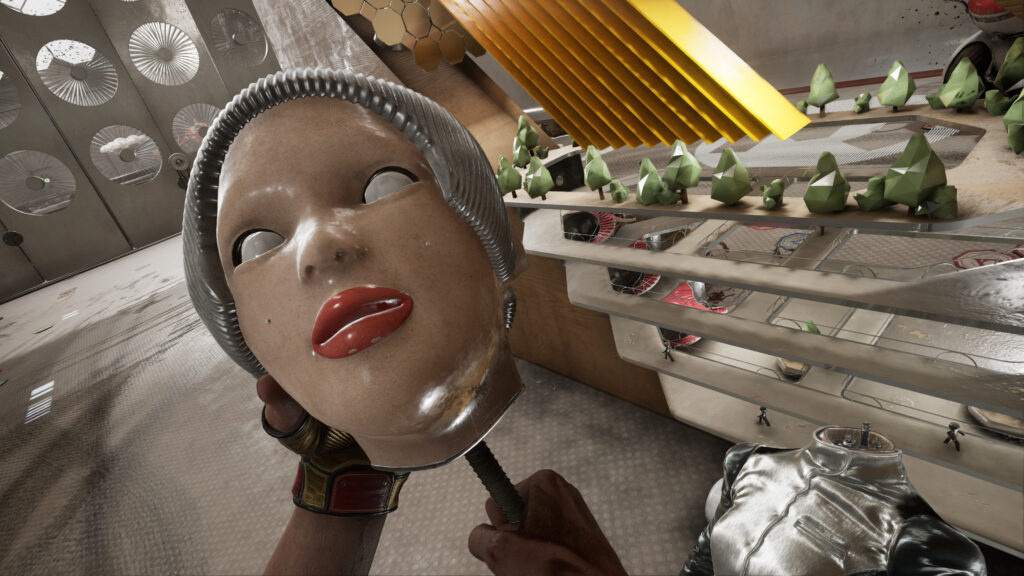
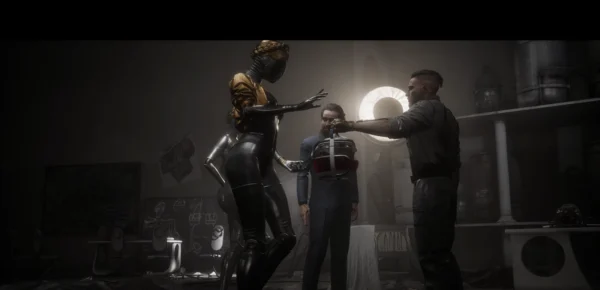
The Atomic Heart script is a roller coaster ride. The beginning is intriguing: you don’t know who to believe or what’s going on. The characters speak in riddles, robots kill people, and your glove suddenly starts talking to you in a woman’s voice.
P-3 as a character is a controversial choice. He is rude to everyone and swears constantly. Some find this authentic and funny, while others find it annoying after just three hours. But there is something lively about him — he is definitely better than the standard “silent hero” found in hundreds of other games.
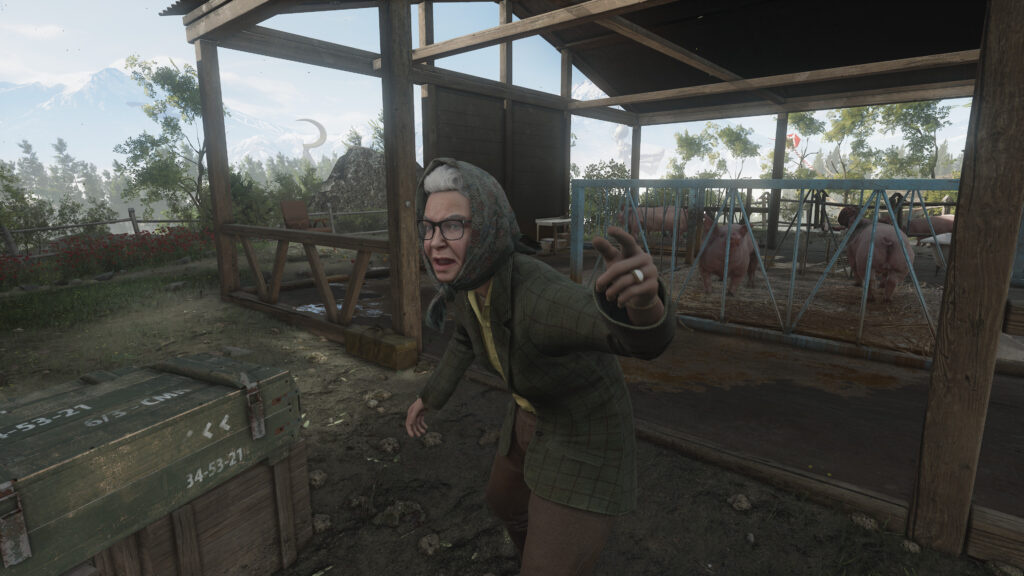
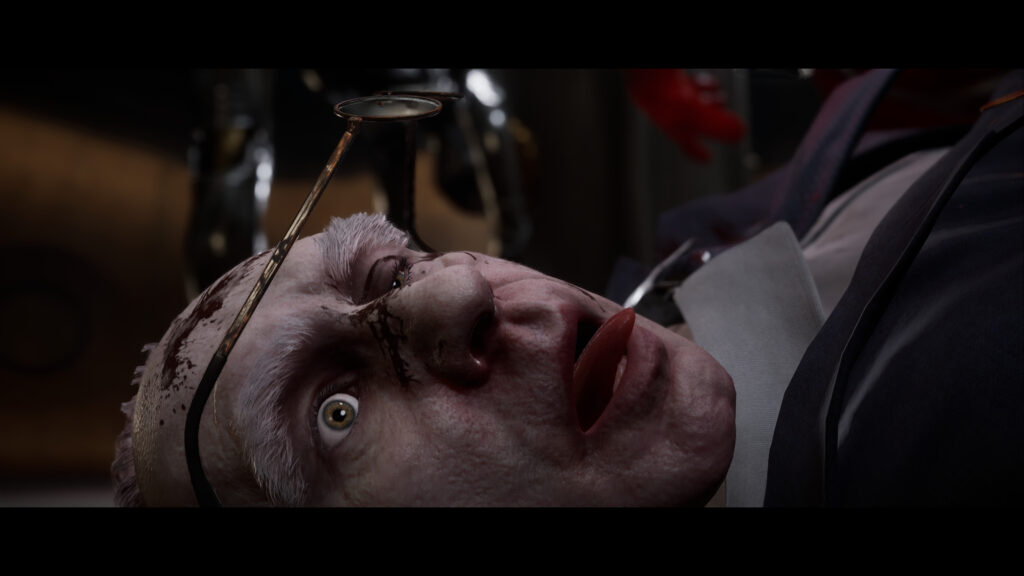
Towards the end, the story picks up speed dramatically. Real stakes appear, along with unexpected twists and characters you want to believe in. The finale delivers several powerful blows that change your perception of everything that came before. It’s just a shame that you have to get through several hours of uneven pacing in the middle to get there.
The soundtrack is a separate conversation
The music in Atomic Heart is some of the best in recent gaming history. Soviet electronic music mixed with heavy metal, synthwave, and classic Soviet songs—it sounds crazy, but it works perfectly. Fighting a boss to a remix of “The Flight of the Bumblebee” is simply unforgettable.
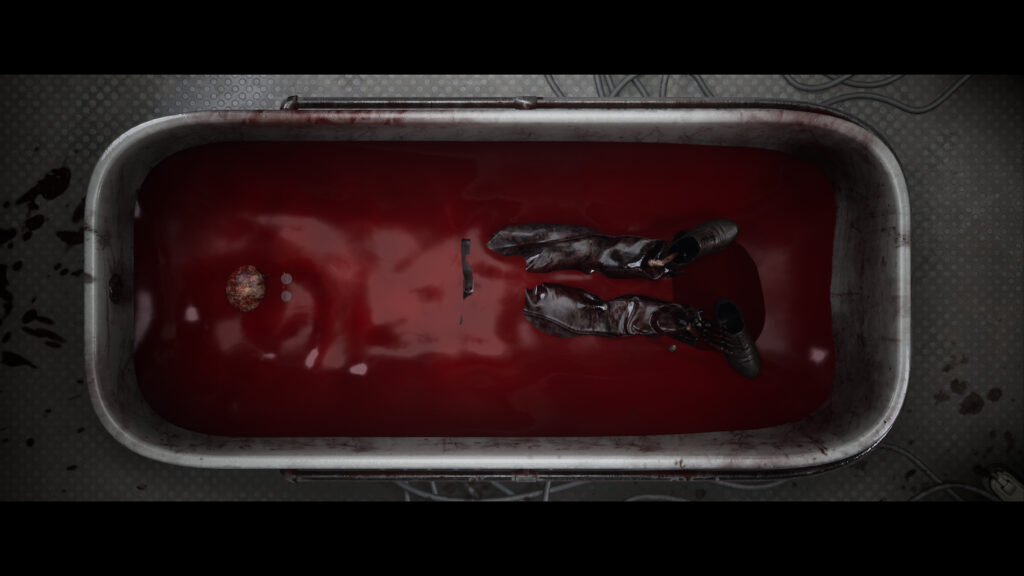
The voice acting in the Russian localization is also up to par. CHAR-les (glove) sounds ironic and lively. The villains are convincing. This is rare for a Russian development of this scale.
Pros and cons
Pros:
- The unique visual style of Soviet retrofuturism
- One of the best soundtracks in recent years
- A diverse combat system with gloves and weapons
- Powerful twists closer to the finale
- Highly detailed levels and art design
- Excellent Russian voice acting
Cons:
- Uneven difficulty balance, especially bosses
- The open world is beautiful, but a bit empty
- P-3 won’t be for everyone — it has a specific character
- The pace slows down in the middle of the game
- Technical bugs and optimization issues at launch
Who should play?
Atomic Heart is a game for those who value atmosphere more than perfect gameplay. If you’re drawn to unusual settings and enjoy wandering through detailed worlds, you’ll have a great 25 hours here.
If you’re looking for perfectly balanced action like DOOM Eternal or a deep RPG, you’ll most likely be disappointed. The game is uneven. It soars to the heavens one moment and falls into banality the next. But it has soul — and that’s a rarity.
Fans of BioShock, Metro: Exodus, and Prey will definitely find something familiar here.
Conclusion
Atomic Heart is uneven, crazy, and unforgettable. You want to criticize it for its bugs and empty open world — but then another Soviet song with an electronic arrangement starts playing, and you realize: there’s simply nothing else like it. Mundfish has created something unique, and that’s more important than perfect polish.










Comments (0)
Sign In / Sign Up
Sign in to leave a comment.
No comments yet
Be the first one to share your thoughts!